Share This Article



The Global Superfood Obsession
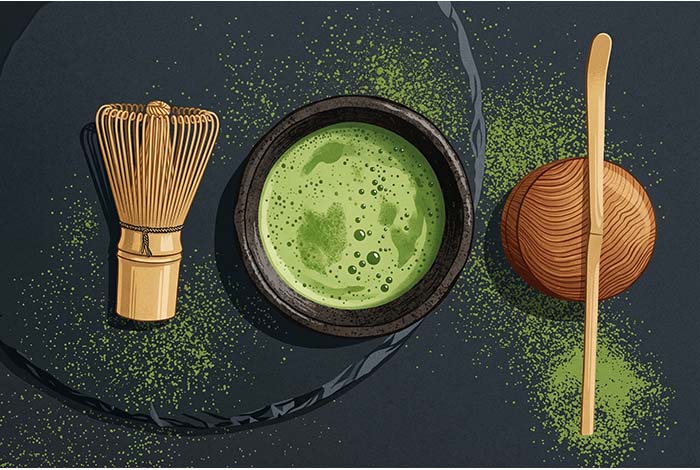
If you walk into any trendy cafe in Los Angeles, from Santa Monica to Silver Lake, you will inevitably see people holding bright green iced beverages. Matcha has transitioned from a traditional, quiet Japanese tea ceremony ingredient into a massive, global lifestyle trend. However, this worldwide obsession has caused a serious economic side effect: the price of high-quality Japanese matcha has skyrocketed. Authentic matcha is no longer just tea; it is practically “green gold.” The massive surge in international demand simply outpaces the supply that traditional Japanese tea farmers can produce, leading to premium price tags that shock even the locals in Japan.
The “Clean Caffeine” Rebranding
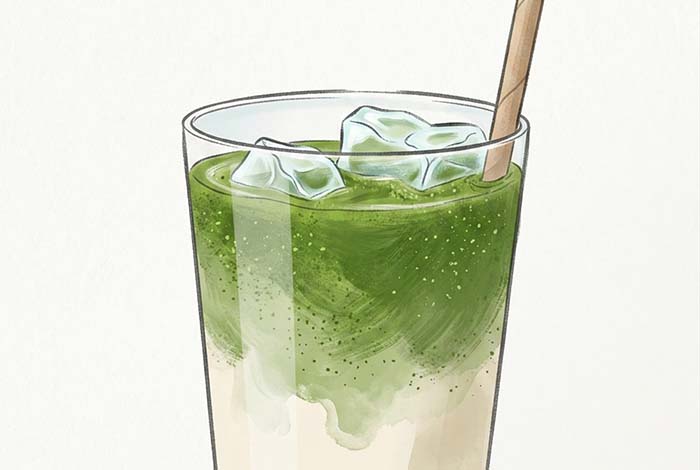
The biggest driver behind this price hike is a brilliant, unintended global rebranding strategy. In the Western wellness community, matcha has been widely embraced as a “clean caffeine” alternative to coffee, offering a smooth energy boost without the jittery crash, thanks to its high levels of L-theanine and antioxidants. Furthermore, it is an absolute superstar on social media. The vibrant, highly photogenic green color of a perfectly layered Matcha Latte or a Matcha Tiramisu makes it perfectly suited for the Instagram and TikTok generation. This explosive combination of health benefits and undeniable aesthetic appeal has made the entire world desperate to buy the powder.
👉 Want to read more about Japanese demographics and society?
Read Next:Matcha — How to Tell Good Tea from Bad
The Slow, Labor-Intensive Craft
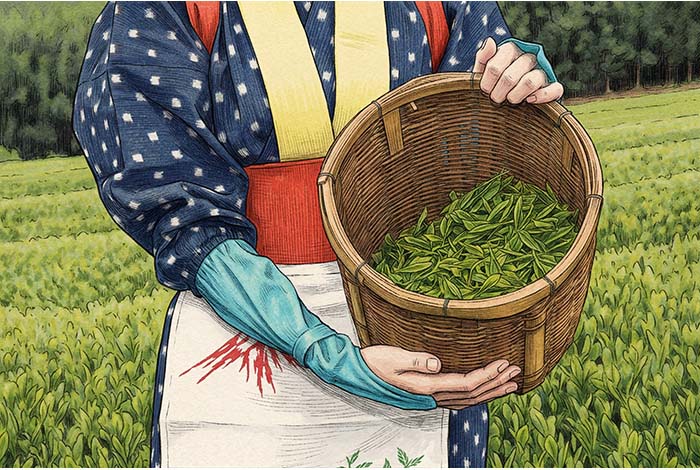
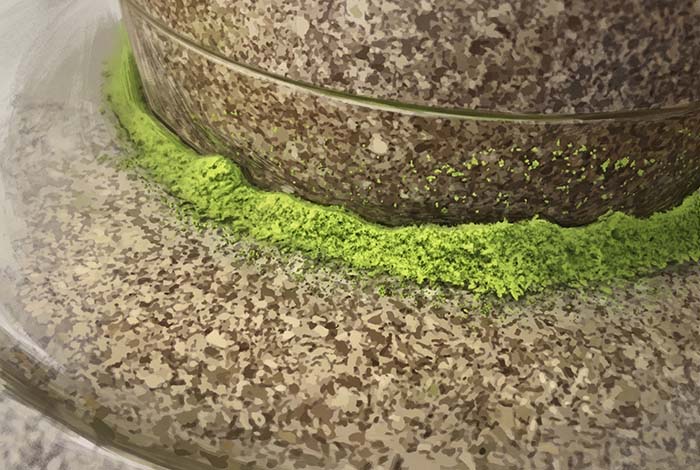
But why can’t Japan just grow more of it quickly? Because real matcha is incredibly difficult and labor-intensive to produce. Unlike regular green tea, matcha leaves (Tencha) must be carefully shaded from the sun for several weeks before harvest to boost their chlorophyll and sweet umami flavor. The leaves are then painstakingly hand-picked, steamed, dried, and finally ground into an ultra-fine powder using heavy granite stone mills. A traditional stone mill takes a full hour just to grind a mere 40 grams (1.4 ounces) of premium matcha! The clash between this beautifully slow, centuries-old artisan craft and the frantic, modern global demand is the ultimate reason why true matcha is so expensive today.
▼ Read Next:
🔗 What Can You Buy With 10 Cents in Japan? (The “Dagashi” Culture)
.
.
Share This Article
Related Articles
Pick Up
- Onigiri Sun DTLA Location Now Open
- LA Dassai Experience: Japan and USA’s Finest S...
- Zespri Kiwifruit: A Sweet, Vitamin-C Boost for Fall
- Pho-Inspired Asian Spicy Ramen Returns for a Limited...
- Half-Price Hakata Ramen: Shin-Sen-Gumi Rosemead̵...
-

- Torikizoku’s second location in Anaheim Takeout yaki...
- Daikokuya El Monte Celebrates 10th Anniversary! ...
- A popular spot for authentic tempura rice bowls and ...
- Celebrate 10 Years!! Daikokuya El Monte Launches Ann...
- Honda-ya Charity Event Celebrates Kappo Honda’...
- See more Fun Facts articles >






Latest Articles
- Free Medicare Seminars, Learn the Besics and Review...
- Capture Special Memories at Kimono no Kobeya ...
- Check Out JINS 360°! New Store Now Open!
- Discover JINS’ Revolutionary Multi-Directional Movem...
- 2027 Coming-of-Age Ceremony presented by Nadeshiko-k...
-

- Kappo Honda 30th Anniversary Charity Event
- JapanUp! 228 – October 2026
- Quiz – October 2026
- Chiikawa comes to Channel Oishii with 20 curated foo...
- Kanagawa: The Many Faces of Japan, All in One Place
- See all articles >