The Soul Food of Osaka If you travel to Osaka, you must try “Kushikatsu.” It is the ultimate working-class soul food: various meats and vegetables skewered on bamboo sticks, coated in breadcrumbs, and deep-fried until golden and crispy. It is cheap, fast, and pairs perfectly with a cold beer. The Communal Sauce Box When you sit at the counter, you will notice a large stainless-steel box filled with thin, sweet, and savory black sauce. This sauce is not just for you; it is a communal sauce shared by everyone who sits at that seat throughout the day. The Golden Rule:…
View More Why Did the Chef Yell at Me for Dipping My Food? (The “Kushikatsu” Rule)Category: FOOD
Great news! Yamato’s all-you-can-eat continues!
Yamato Restaurant is launching a new all-you-can-eat plan! Enjoy sushi and popular menu items for lunch at $29.99 and dinner at $39.99. Plus, our teppanyaki dishes featuring juicy steaks and seafood cooked in front of you are a huge hit! Come and enjoy a special time with your family and friends. Reservations (weekdays only) and inquiries are available by phone. Store InformationURL: http://yamatorestaurant.com 24947 Pico Canyon Rd, Stevenson Ranch, CA 91381
View More Great news! Yamato’s all-you-can-eat continues!Why Do Japanese People Put Ice Cubes in Their Noodles? (The Summer Survival Food)
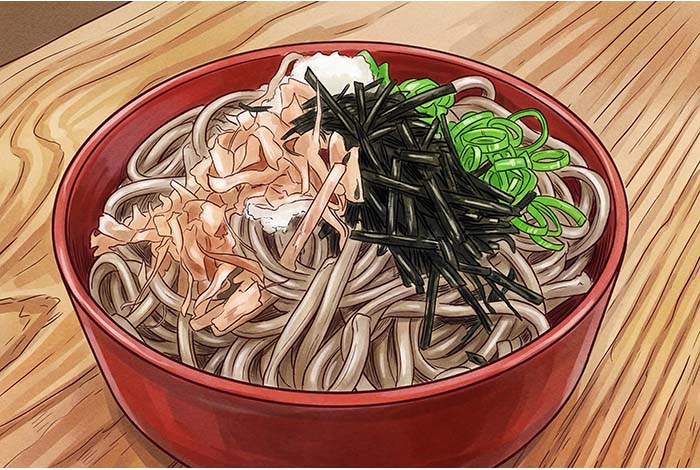
Hot Weather, Cold Food In many Western countries, noodles like pasta or chicken noodle soup are always served piping hot. But Japan has brutally hot and humid summers. To survive the heat, Japanese people do something brilliant: they eat their noodles ice cold! Somen (The Ice Water Noodles) The ultimate summer food is “Somen.” These are incredibly thin white wheat noodles. Families boil them for just two minutes, then cool them down and serve them in a large glass bowl filled with cold water and floating ice cubes! You dip them into a savory, cold soy-sauce broth before eating. Hiyashi…
View More Why Do Japanese People Put Ice Cubes in Their Noodles? (The Summer Survival Food)TAKAGI COFFEE: March Special Menu
TAKAGI COFFEE has introduced a special January menu featuring beloved Japanese “Yoshoku” (Western-style) dishes, perfect for a satisfying dinner.
View More TAKAGI COFFEE: March Special MenuWhy Does a Melon Cost $100 in Japan? (The Luxury Fruit Market)
The $100 Price TagForeigners are often shocked when they visit a Japanese supermarket. Fruits are generally more expensive than in the US. But if you visit a high-end department store, you will see something unbelievable: a single peach for $30, a bunch of grapes for $50, or a perfect green melon for $100! Jewelry, Not GroceriesWhy are they so expensive? In Japan, these top-tier fruits are not considered “daily groceries.” They are treated like jewelry. They are grown specifically to be given as luxury gifts for special occasions like weddings, hospital visits, or thanking important business clients. The “One Tree,…
View More Why Does a Melon Cost $100 in Japan? (The Luxury Fruit Market)Why Are There 100 Types of Soy Sauce in Japan? (The Secret Condiment World)
Around March 3rd, visit a Japanese home with a daughter, and you will see a spectacular display. A 7-tiered red platform filled with elaborate dolls dressed in ancient court kimonos. This is “Hina Matsuri” (Girls’ Day). It is a day to pray for the health and happiness of young girls.
View More Why Are There 100 Types of Soy Sauce in Japan? (The Secret Condiment World)What Does the Japanese New Year Taste Like? (The “Ozoni” Divide)
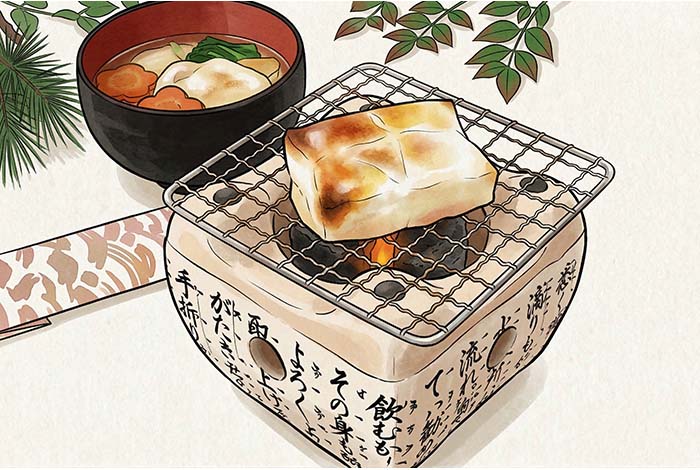
The New Year SoupIn the US, people celebrate the New Year with champagne. In Japan, the ultimate New Year’s dish is a warm, comforting bowl of soup called “Ozoni.” Eating this soup on January 1st is a nationwide tradition to pray for a healthy and safe year. The Core IngredientThe star of Ozoni is always Mochi (rice cake), which stretches beautifully when you bite into it. However, if you ask two Japanese people what Ozoni looks and tastes like, they might give you completely different answers! Tokyo vs. Osaka (The Great Divide)There is a massive cultural divide between the Kanto…
View More What Does the Japanese New Year Taste Like? (The “Ozoni” Divide)Is It Art or Dessert? (The Edible Beauty of “Nerikiri”)
Not Just Cake and CreamWhen you think of sweets, you usually picture cakes, chocolate, or ice cream. Traditional Japanese sweets, called “Wagashi,” are entirely different. They use no butter or cream. The most premium and beautiful type of Wagashi is called “Nerikiri.” Sculpting with Bean PasteNerikiri is made by kneading soft, sweetened white bean paste (Shiro-an) with soft Mochi dough. Because it is like edible clay, master artisans can sculpt it into breathtakingly detailed shapes using tiny wooden tools and their bare hands. Eating the SeasonsThe designs strictly reflect the 4 seasons. In spring, Nerikiri is shaped like delicate pink…
View More Is It Art or Dessert? (The Edible Beauty of “Nerikiri”)What Can You Buy With 10 Cents in Japan? (The “Dagashi” Culture)
The Pocket Money ParadiseIf a Japanese child has 100 yen (about 70 cents) in their pocket, they don’t go to a fancy bakery. They go to a “Dagashi-ya” (a retro penny-candy store). Dagashi translates to “cheap sweets,” and it is the ultimate childhood paradise. Cheap and ChaoticUnlike regular snacks in supermarkets, Dagashi are specifically designed for kids. They cost anywhere from 10 yen to 50 yen. The packaging is incredibly colorful, featuring retro cartoon characters, and the flavors are wild—from sweet chocolate to savory “grilled squid” flavor! Playing with FoodDagashi is highly interactive. There are candies shaped like cigarettes, powders…
View More What Can You Buy With 10 Cents in Japan? (The “Dagashi” Culture)How Do Japanese People Upgrade Plain Rice?(The Magic of “Takikomi Gohan”)
Around March 3rd, visit a Japanese home with a daughter, and you will see a spectacular display. A 7-tiered red platform filled with elaborate dolls dressed in ancient court kimonos. This is “Hina Matsuri” (Girls’ Day). It is a day to pray for the health and happiness of young girls.
View More How Do Japanese People Upgrade Plain Rice?(The Magic of “Takikomi Gohan”)Why Are People Throwing Rice Cakes from the Roof? (The “Mochi-maki” Tradition)
Raining SnacksImagine you are walking down a quiet residential street in Japan. Suddenly, you see a crowd of neighbors gathered around a half-built house. Then, the construction workers and the homeowners climb onto the roof and start… throwing snacks and rice cakes at the crowd! What is going on? The “Jotoshiki” CeremonyThis chaotic and fun event is called “Mochi-maki” (Mochi Throwing). It happens during a ceremony called Jotoshiki, which celebrates the completion of the basic wooden framework of a new house. Sharing the LuckWhy do they throw things? In Japan, building a new house is considered a massive milestone that…
View More Why Are People Throwing Rice Cakes from the Roof? (The “Mochi-maki” Tradition)Why Do Japanese People Put Condensed Milk on Strawberries? (The Spring Tradition)
The Spring SweetnessIn March, as the weather slowly starts to warm up, Japanese families and couples flock to the countryside for a favorite seasonal activity: “Ichigo-gari” (Strawberry Picking). But it is very different from picking wild berries in a forest. The High-Tech GreenhousesJapanese agriculture is famous for producing giant, perfectly shaped, incredibly sweet fruits. Strawberry picking happens inside massive, climate-controlled greenhouses. The strawberry vines are often elevated to waist-height, meaning you don’t even have to bend down to pick them. It is a clean, premium experience. The All-You-Can-Eat ChallengeFor an entrance fee of around $15 to $20, you get 30…
View More Why Do Japanese People Put Condensed Milk on Strawberries? (The Spring Tradition)