Is “Omurice” Actually French? (The Birth of Yoshoku)

Beyond Sushi and Ramen When foreigners think of traditional Japanese food, they immediately picture raw fish, steaming bowls of ramen, or delicate tempura. But there is an entirely different, massive category of beloved everyday food in Japan known as “Yoshoku” (Western-style Japanese food). These are dishes that sound European but were entirely invented and perfected inside Japan. And the absolute king of the Yoshoku menu—loved by children and nostalgic adults alike—is “Omurice” (Omelet Rice). While the name sounds like a simple translation, this incredibly satisfying dish is a purely Japanese culinary masterpiece. Meiji Era Invention The origin of Omurice traces…

View More Is “Omurice” Actually French? (The Birth of Yoshoku)

Why Does Everyone in Tokyo Have the Exact Same Umbrella? (The Vinyl Invasion)

The Sudden Japanese Downpour If you live in Los Angeles, you probably don’t even own a heavy-duty umbrella because it rarely rains. But Japan experiences distinct rainy seasons (Tsuyu) and sudden, unpredictable afternoon typhoons. Despite this, if you look at the bustling streets of Shibuya or Ginza during a massive rainstorm, you won’t see a colorful array of expensive, designer umbrellas. Instead, you will see millions of people carrying the exact same item: a cheap, highly transparent, clear vinyl umbrella. It looks like a massive, unified clear canopy moving through the city. Why is this specific umbrella so incredibly popular?…

View More Why Does Everyone in Tokyo Have the Exact Same Umbrella? (The Vinyl Invasion)

Why Don’t Japanese Restaurants Let You Take Leftovers Home? (The Ramen Rule)

The American Leftover Paradise In the United States, restaurant portions are famously massive, and taking your leftovers home in a “doggy bag” or a styrofoam box is a completely standard practice. Whether it is half a pizza, a giant steak, or even a bowl of soup, Americans love saving their food for tomorrow’s lunch. However, if you try asking a waiter in Japan for a takeout box for your half-eaten meal, you will almost certainly be met with a very polite but firm “No.” Many foreign tourists are completely shocked by this strict refusal, assuming the restaurant is just being…

View More Why Don’t Japanese Restaurants Let You Take Leftovers Home? (The Ramen Rule)

Why Is Everyone in Japan Wearing a Suit? (The Uniform of Adulthood)

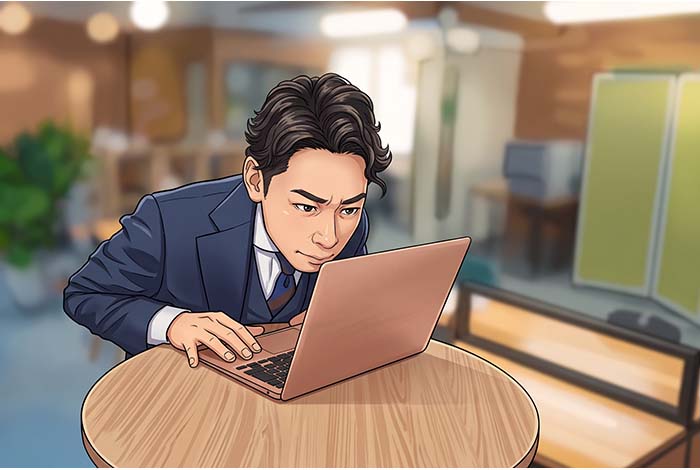
The Sea of Black and Navy If you work in Los Angeles, business casual is the golden rule. Tech CEOs wear hoodies, and marketing managers wear jeans and sneakers to the office. But if you step out of a major train station in Tokyo like Shinjuku or Marunouchi during rush hour, you will be met with a massive, perfectly synchronized sea of black, navy, and dark grey. Almost every single office worker (Salaryman) and businesswoman is wearing a sharp, formal suit. In Japanese corporate culture, wearing a suit is not just about looking nice for a meeting; it is considered…

View More Why Is Everyone in Japan Wearing a Suit? (The Uniform of Adulthood)

Older Than America: Why Does Japan Have the World’s Longest-Running Businesses?

A Land of Living History The United States is a young, vibrant nation with a history of about 250 years. In the fast-paced business world of Los Angeles or Silicon Valley, a company that lasts 50 years is considered a legend. But when you look at Japan, the scale of time is completely different. Shockingly, about 40 to 50% of all companies in the world that are over 200 years old are located in Japan! There are thousands of Japanese businesses that were already thriving long before the United States was even founded. From the world’s oldest hotel (Nishiyama Onsen…

View More Older Than America: Why Does Japan Have the World’s Longest-Running Businesses?

The Lazy Man’s Onsen: Why “Ashiyu” is Japan’s Best Travel Hack

The Concept of the Mini-Onsen For many travelers visiting Japan, the famous “Onsen” (hot spring) culture can be a bit intimidating. The idea of getting completely naked in front of strangers can be a major psychological hurdle. This is where “Ashiyu” (foot baths) come to the rescue. An Ashiyu is a small, public pool of hot volcanic spring water designed specifically for soaking only your feet and ankles. You can find them in city parks, outside train stations in mountain towns, and even at some luxury hotels. It is the ultimate “lite” version of the Japanese onsen experience, requiring zero…

View More The Lazy Man’s Onsen: Why “Ashiyu” is Japan’s Best Travel Hack

The Small Mounds of Salt: What is “Mori-shio” Doing at the Door?

A Mysterious Welcome If you are walking through a traditional Japanese neighborhood or visiting a local restaurant, you might notice something peculiar on the ground near the entrance. Sitting on a small ceramic plate are two perfectly shaped, miniature cones of white salt. This practice is called “Mori-shio” (mounded salt). To a visitor from Los Angeles, it might look like a strange cleaning accident or a tiny art project. However, these little salt towers are part of an ancient and deeply respected spiritual tradition that has been practiced in Japan for over a thousand years. Purification and Protection The primary…

View More The Small Mounds of Salt: What is “Mori-shio” Doing at the Door?

The Silent Language: Mastering the Art of the Japanese Bow

More Than a Simple Nod In the United States, a greeting is usually physical and vocal—a firm handshake, a friendly “Hello,” or a casual nod of the head. But in Japan, the most vital form of communication is “O-jigi” (bowing). To a visitor, it might seem like people are just constantly nodding at each other, but bowing is actually a highly sophisticated non-verbal language. The depth, speed, and timing of a bow communicate everything from a simple “thanks” to a profound apology or deep professional respect. In a society that values “Wa” (harmony), mastering the geometry of the bow is…

View More The Silent Language: Mastering the Art of the Japanese Bow

The Garbage Gauntlet: Why Is Taking Out the Trash So Stressful in Japan?

The Luxury of the American Trash Chute If you live in a modern apartment in Los Angeles, taking out the trash is a brainless task. You walk down the hall, open a small metal door, and throw your bag down a “trash chute” where it disappears forever into a giant basement bin. Or, if you have a house, you simply roll a massive plastic bin to the curb once a week. It’s convenient, invisible, and effortless. But in Japan, the simple act of throwing away a banana peel is a complex logistics operation that requires military-level discipline and a profound…

View More The Garbage Gauntlet: Why Is Taking Out the Trash So Stressful in Japan?

More Than a Stamp Rally: The Spiritual Art of “Goshuin” Collecting

The Sacred Proof of Visit If you enjoy collecting souvenirs while traveling, you might be familiar with the “stamp rallies” found at Japanese train stations or tourist spots. However, there is a much deeper, more beautiful tradition called “Goshuin.” A Goshuin is a hand-written calligraphic seal given to visitors at Shinto shrines and Buddhist temples across Japan. To a visitor from Los Angeles, it might look like a stylish piece of art, but it is actually considered a sacred proof of your connection to the deity or Buddha of that specific site. Unlike a casual souvenir, each Goshuin is unique,…

View More More Than a Stamp Rally: The Spiritual Art of “Goshuin” Collecting

The Ultimate Crunch: Why Does Japan Have “Rock-Hard” Rice Crackers?

A Nation’s Obsession with Rice Japan’s love for rice knows no bounds. It is the heart of every meal, but that obsession extends far beyond the dinner bowl and into the world of snacks. “Senbei” (rice crackers) are the quintessential Japanese treat, traditionally made from toasted or fried rice and glazed with savory soy sauce. While most people are familiar with the light, crispy varieties found in Los Angeles supermarkets, there is a subculture of senbei in Japan that pushes the limits of human dental strength. For some Japanese snack lovers, the harder the cracker, the better the experience. The…

View More The Ultimate Crunch: Why Does Japan Have “Rock-Hard” Rice Crackers?

The Red Symbol of Love: Why Are Carnations the Only Choice for Mother’s Day in Japan?

An American Tradition Reborn in Japan While Mother’s Day originated in the United States in the early 20th century, Japan has transformed it into one of the most significant and strictly observed gift-giving holidays on the calendar. In the U.S., a bouquet for Mom might include roses, lilies, or tulips, but in Japan, the red carnation reigns supreme as the undisputed symbol of the day. This tradition was popularized in the 1930s through a clever marketing campaign by a major Japanese confectionery company, which promoted the idea of giving a red carnation alongside sweets. Today, during the second week of…

View More The Red Symbol of Love: Why Are Carnations the Only Choice for Mother’s Day in Japan?