Why Is Everyone Dining Alone in Japan? (The Rise of “Solo-Katsu”)

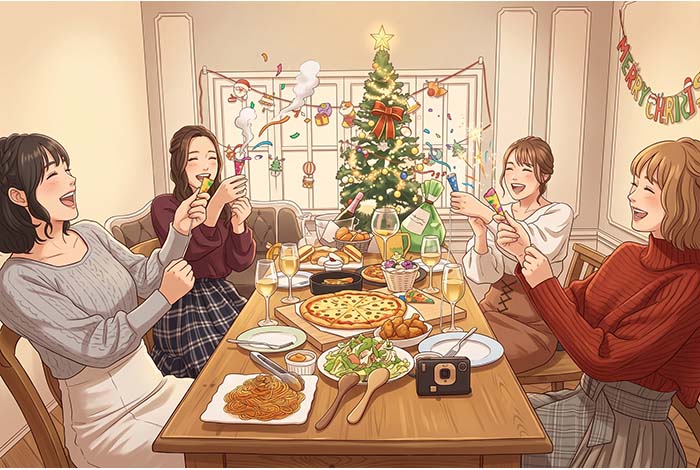
The Table for One In many Western countries, going to a restaurant or an amusement park completely alone can feel awkward. People worry that others might think they have no friends. But in Japan, doing things by yourself isn’t lonely—it is a booming lifestyle trend called “Solo-Katsu” (Solo Activities). The Ramen Booths The trend started with practical dining. Famous ramen chains like Ichiran pioneered the “flavor focus booth.” You sit at a counter with wooden dividers on both sides, completely isolated from other customers. You don’t even see the waiter’s face. It is just you and the noodles. Solo BBQ…

View More Why Is Everyone Dining Alone in Japan? (The Rise of “Solo-Katsu”)

Why Do 4,000 Japanese Characters Contain the Word “Woman”? (The Kanji Time Capsule)

The Building Blocks of Kanji Learning Japanese Kanji is like solving a puzzle. Complex characters are built by combining smaller, basic symbols called “radicals.” For example, if you combine the radical for “Sun” (日) and “Moon” (月), you get the character for “Bright” (明). A Massive Gender Imbalance But there is a shocking linguistic statistic hidden in the dictionary. If you search for characters containing the radical for “Woman” (女 – Onna), you will find over 4,000 of them! However, if you search for characters containing the radical for “Man” (男 – Otoko), there are only about 100. The Ancient…

View More Why Do 4,000 Japanese Characters Contain the Word “Woman”? (The Kanji Time Capsule)

Why Are Japanese Rice Balls Always Triangles? (Eating the Power of the Gods)

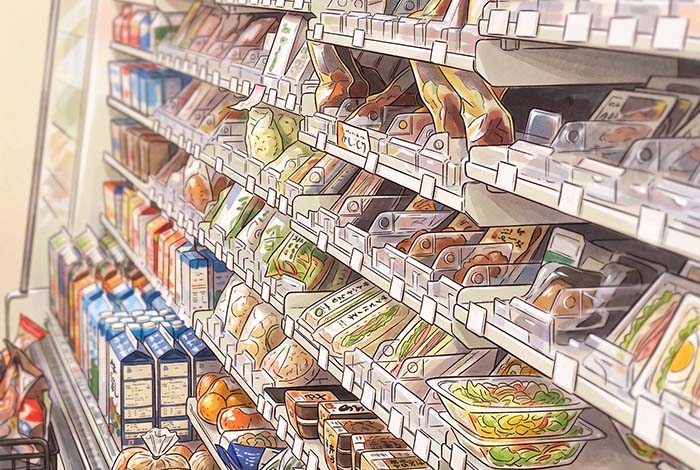
The Iconic Shape If you walk into any Japanese convenience store, you will see walls of “Onigiri” (rice balls). While the fillings range from spicy tuna to fried chicken, the shape is almost universally the same: a perfect triangle. Have you ever wondered why they aren’t just round? The Mountain Connection The triangular shape isn’t just for easy packaging; it actually has deep, ancient spiritual roots. In traditional Japanese Shinto beliefs, mountains are considered sacred. They are the homes of “Kami” (nature gods and spirits) who watch over the land and bring good harvests. Absorbing the Energy Centuries ago, people…

View More Why Are Japanese Rice Balls Always Triangles? (Eating the Power of the Gods)

Why Are Japanese Cashiers So Good at Tetris? (The Supermarket Masterclass)

The Checkout Experience In the US, many supermarkets still have cashiers who bag your groceries, though the trend is heavily shifting towards chaotic DIY self-checkout machines. But if you watch a cashier at a Japanese supermarket or convenience store, you are not just getting service; you are watching a high-speed Tetris masterclass. The Art of the Basket When a Japanese cashier scans your items, they don’t just throw them into a bag. If you use a supermarket basket, they meticulously transfer the scanned items into a second, different-colored basket. Heavy items like milk go perfectly at the bottom, while fragile…

View More Why Are Japanese Cashiers So Good at Tetris? (The Supermarket Masterclass)

What Are “Kotowaza”? (The Hidden Wisdom in Japanese Conversations)

The Code of Conversation If you listen closely to a conversation between Japanese people, you might hear them drop short, poetic phrases that don’t seem to make literal sense. They might suddenly talk about monkeys, nails, or dumplings. These are “Kotowaza”—traditional Japanese proverbs. Bite-Sized Wisdom Kotowaza are deeply ingrained in the culture. They are bite-sized pieces of ancient wisdom, morals, and life lessons passed down through generations. Instead of lecturing someone, Japanese people use these short phrases to elegantly convey complex emotions or advice. Monkeys and Trees For example, if a highly skilled professional makes a silly mistake, someone might…

View More What Are “Kotowaza”? (The Hidden Wisdom in Japanese Conversations)

Why Is Japan Obsessed With Eye Drops? (The “Megusuri” Culture Shock)

The Tiny Pharmacy Aisle If you walk into an American pharmacy in Torrance or LA, the eye drop selection is usually pretty boring. You will find maybe five or six basic bottles meant to treat severe redness or allergies, locked behind a plastic anti-theft case. The Japanese Wall of Tears Walk into a Japanese drugstore, and you will face a literal wall of “Megusuri” (Eye Drops). There are dozens, if not hundreds, of different brightly colored boxes. In Japan, eye drops aren’t just for medical emergencies; they are a daily lifestyle and refreshment product. The Menthol Shock The biggest shock…

View More Why Is Japan Obsessed With Eye Drops? (The “Megusuri” Culture Shock)

Why Are Japanese People Eating Flowers? (The Edible “Sakura” Craze)

The Spring Phenomenon Every spring, tourists flock to Japan to look at the breathtaking pale pink Cherry Blossoms (Sakura). But while foreigners are busy taking photos of the branches, Japanese people are doing something else entirely: eating them! Preserved in Salt Cherry blossoms are not just beautiful; they are a highly prized, edible ingredient. To capture the fleeting season, the delicate petals and leaves of specific Sakura trees are harvested and pickled in salt or vinegar. This preserves them for a year and deeply concentrates their unique, floral aroma. The Traditional “Sakura Mochi” The most famous example is “Sakura Mochi.”…

View More Why Are Japanese People Eating Flowers? (The Edible “Sakura” Craze)

Did You Know Japan Has More Pets Than Children? (The Pampered Pet Boom)

The Demographic Shift Japan is famous for its rapidly declining birthrate, but that doesn’t mean the country is empty of small, cute companions. In fact, for the last decade, the number of registered pet dogs and cats in Japan has significantly outnumbered the total population of human children under the age of 15! The Pampered Companions Because many young people are choosing not to have children, they shower their pets with human-level affection. It is incredibly common to see people taking their daily 7,000 steps through the neighborhood while pushing their miniature poodles or dachshunds in expensive, luxury baby strollers,…

View More Did You Know Japan Has More Pets Than Children? (The Pampered Pet Boom)

What Is a “Hot Spring Egg”? (The Geothermal Magic of “Onsen Tamago”)

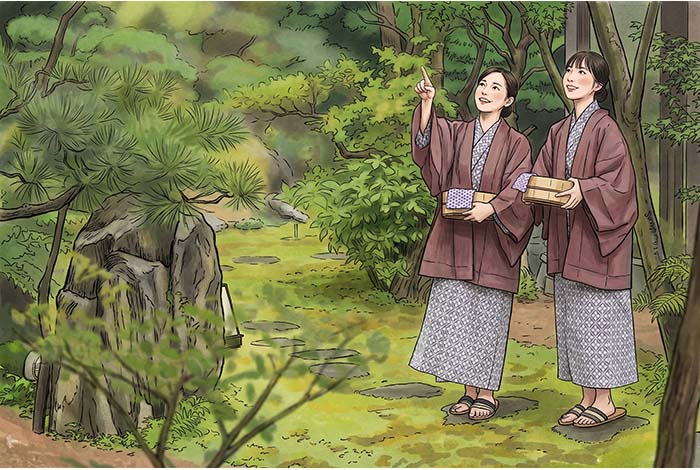
The Ultimate Spa Food Traveling to a traditional Japanese hot spring (Onsen) resort isn’t just about relaxing in the mineral-rich water; it is also about the food. And the most famous, iconic snack you can eat at a volcanic resort is an “Onsen Tamago” (Hot Spring Egg). Cooking in the Earth An Onsen Tamago isn’t cooked on a stove. Locals literally place baskets of raw eggs directly into the natural, steaming geothermal pools of the hot springs, allowing the warm volcanic water to slow-cook them to perfection. The Scientific Miracle The result is a culinary and scientific miracle. Because egg…

View More What Is a “Hot Spring Egg”? (The Geothermal Magic of “Onsen Tamago”)

Why Is Japanese Pizza Covered in Mayonnaise? (The “Wafu” Italian Revolution)

The Italian Obsession Japan loves Italian food. There are thousands of Italian restaurants and cheap, wildly popular family restaurant chains (like Saizeriya) across the country. But Japanese chefs didn’t just copy traditional recipes from Rome; they completely evolved them to fit local tastes. The “Wafu” Pasta This is the birth of “Wafu” (Japanese-style) Italian. Instead of just tomato and basil, Japanese chefs started tossing spaghetti with soy sauce, butter, and uniquely Japanese ingredients. Today, pasta topped with spicy “Mentaiko” (cod roe), raw squid, Shiso leaves, or sour Umeboshi (pickled plum) are massive national staples. The Wild Pizza Toppings But the…

View More Why Is Japanese Pizza Covered in Mayonnaise? (The “Wafu” Italian Revolution)

Why Do All Japanese Baseball Stadiums Face the Same Direction? (The Architectural Secret)

The Universal Diamond Baseball is massively popular in both the US and Japan. But whether you are watching the Hanshin Tigers in Osaka or the Yomiuri Giants in Tokyo, there is a hidden architectural secret built into almost every single professional stadium in the country. The Compass Rule If you look at a map from above, you will notice that almost all Japanese baseball stadiums face the exact same direction. The line drawn from home plate through second base and out to center field almost always points towards the East or Northeast. The Blinding Sun Why are they all aligned…

View More Why Do All Japanese Baseball Stadiums Face the Same Direction? (The Architectural Secret)

Why Are Japanese Police Cars Black and White? (The American Military Connection)

The Classic Cruiser If you live in Los Angeles, you are very familiar with the classic black-and-white LAPD police cruisers. Interestingly, when you travel to Japan, you will notice that their police cars (“Patoka”) share the exact same two-tone color scheme. Is this just a coincidence? The 1949 Origin It is actually a direct piece of shared history! Japan’s very first police cars were introduced in 1949. Because Japan was still recovering from the war, the police received open-top vehicles directly from the US military. They decided to paint them black and white to match the American standard. The Visibility…

View More Why Are Japanese Police Cars Black and White? (The American Military Connection)