
Share This Article



The Code of Conversation
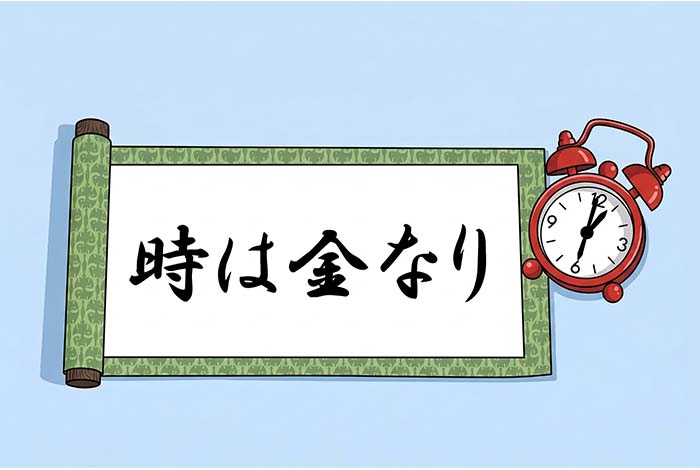
If you listen closely to a conversation between Japanese people, you might hear them drop short, poetic phrases that don’t seem to make literal sense. They might suddenly talk about monkeys, nails, or dumplings. These are “Kotowaza”—traditional Japanese proverbs.

Bite-Sized Wisdom
Kotowaza are deeply ingrained in the culture. They are bite-sized pieces of ancient wisdom, morals, and life lessons passed down through generations. Instead of lecturing someone, Japanese people use these short phrases to elegantly convey complex emotions or advice.
👉 Want to read more about Japanese demographics and society?
Read Next:https://japanupmagazine.com/archives/19904

Monkeys and Trees
For example, if a highly skilled professional makes a silly mistake, someone might say, “Saru mo ki kara ochiru” (Even monkeys fall from trees). It is a gentle, comforting way to say that nobody is perfect and everyone messes up sometimes.

The Nail That Sticks Out
Other proverbs reveal core Japanese values. “Deru kui wa utareru” (The nail that sticks out gets hammered down) perfectly explains the societal pressure in Japan to conform, avoid conflict, and maintain group harmony rather than showing off individually.
A Window into the Mind
While driving alone down the open coastal highway might give you time to clear your own head, learning a few Kotowaza is the fastest route to understanding the collective Japanese mindset. Dropping one of these phrases into a conversation is a guaranteed way to impress your Japanese friends!
▼ Read Next:
.
.
Share This Article
Related Articles
Pick Up
- Japan Now! The Spear Won. Chiben Wakayama Takes Kosh...
- Japan Now! The Final Four Is Set. Ariake’s Mir...
- Japan Now! She Said Yes. Olympic Champions Riku Miur...
- Japan Now! Whole Torched Purin on a Crepe. Ise’...
- Japan Now! 156 km/h. Bases Loaded. No Outs. Koshien&...
-

- Japan Now! It’s Rice Day in Japan, So Dragon Q...
- Japan Now! Japan Answered. The Monster Falls, and th...
- Japan Now! Doraemon Is Taking a Steam Train to Victo...
- Pokemon Worlds Takes Over San Francisco, and We Got ...
- Japan Now! 7,000 Stranded at Narita as Record Rain S...
- See more Fun Facts articles >










Latest Articles
- Free Medicare Seminars, Learn the Besics and Review...
- Den’s Tea ...
- Capture Special Memories at Kimono no Kobeya ...
- Recommended for Those on a Diet! Healthy Noodles
- Savor Seasonal Specials at TAKAGI COFFEE!
-

- Daikokuya El Monte Celebrates 10th Anniversary! ...
- Check Out JINS 360°! New Store Now Open!
- Pho-Inspired Asian Spicy Ramen Returns for a Limited...
- Discover JINS’ Revolutionary Multi-Directional Movem...
- Celebrate 10 Years!! Daikokuya El Monte Launches Ann...
- See all articles >