Why Does Japan Have No Street Names? (The Block Numbering Puzzle)

The Linear vs. Area Thinking If you drive around Los Angeles, finding a specific location is perfectly intuitive. Streets like Sunset Boulevard or Hawthorne Boulevard run for miles, and every building is assigned a sequential number along that linear path. But if you step onto the streets of Tokyo, you will notice something incredibly bizarre: almost none of the roads have names. Aside from a few massive avenues, the entire maze of streets in Japan is completely nameless. To a Westerner, this looks like a logistical nightmare. How can millions of people navigate a world-class megacity when the streets don’t…

View More Why Does Japan Have No Street Names? (The Block Numbering Puzzle)


[Japanese Interviews: Life in LA] Izumi Mitsuda : I’ve Never Been Concerned About Age — Toward a Society Where Women Can Thrive

“It all started with coming here to chase my dream of forming a band with Americans, touring the world, and becoming a rock star.” Atsushi Nakagawa founded AMAZAKE CO. in Los Angeles in April 2019. He is the creator of the “Amazake Latte,” which has gained popularity at Farmers Markets in Torrance and Hollywood. How did his dream evolve? We took a closer look at his life.

View More [Japanese Interviews: Life in LA] Izumi Mitsuda : I’ve Never Been Concerned About Age — Toward a Society Where Women Can Thrive

The Ultimate Souvenir Hunt: The Genius Culture of Japan’s “Gotochi Kitty”

A Global Pop Icon with a Local Twist Hello Kitty is arguably one of the most famous and successful pop culture icons on the planet. From fashion lines in Paris to merchandise in Los Angeles, Sanrio’s famous white cat without a mouth is instantly recognized everywhere. However, inside her home country of Japan, Hello Kitty has undergone a brilliant, hyper-local transformation that you cannot find anywhere else. This phenomenon is known as “Gotochi Kitty” (Local Exclusive Kitty), a massive ecosystem of collectible keychains and charms where Kitty disguised herself as local mascots, historical figures, and regional food items across all…

View More The Ultimate Souvenir Hunt: The Genius Culture of Japan’s “Gotochi Kitty”

The Macro to Micro Trap: Why Japanese Addresses Are Written Completely Backward

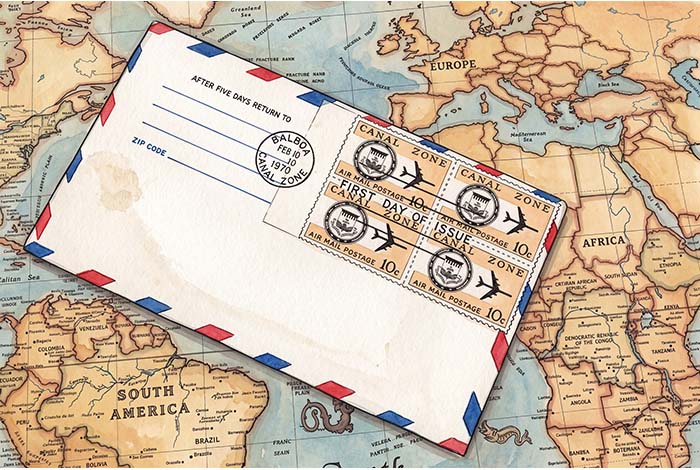
The American Postal Order When you fill out a shipping label or type an address into Google Maps in the United States, you follow a strict, universally understood order that moves from the specific to the general. You start with the smallest detail—the house or building number—and gradually expand outward: the street name, the city, the state, and finally, the massive zone of the zip code. It is a system that funnels the mail carrier from a specific front door out to the wider country. However, if you try to apply this Western postal logic when sending a package or…

View More The Macro to Micro Trap: Why Japanese Addresses Are Written Completely Backward

The Ultimate Hollywood Fast-Track: The Power of Japan’s National TV Dramas

The Stardom Pipeline If an actor in Los Angeles wants to become a massive, universally respected A-list superstar, the traditional path is to land a lead role in a multi-million-dollar Hollywood blockbuster. But in Japan, the ultimate pinnacle of an acting career is not a movie; it is public television. Japan’s national broadcasting network, NHK, produces two highly specific types of television shows that hold absolute, undisputed cultural supremacy: the “Asadora” (Morning Drama) and the “Taiga Drama” (Annual Historical Epic). Being cast as a lead in either of these shows instantly elevates an actor from a regular celebrity to national…

View More The Ultimate Hollywood Fast-Track: The Power of Japan’s National TV Dramas

Is Tokyo’s Imperial Palace Really Bigger Than the City of London? (The Royal Run)

A Green Giant in the Concrete Jungle Tokyo is globally famous for being an incredibly dense, neon-lit concrete jungle. But right in the absolute center of this bustling metropolis is a massive, tranquil void of deep green forests and ancient water moats. This is the Tokyo Imperial Palace (Kokyo), the primary residence of the Emperor of Japan. To understand just how massive this royal real estate is, consider this: the palace grounds cover about 3.4 square kilometers (1.3 square miles). That means this single private residence in the middle of Tokyo is actually significantly larger than the entire “City of…

View More Is Tokyo’s Imperial Palace Really Bigger Than the City of London? (The Royal Run)

The Great Meat Divide: Why Does West Japan Eat Beef and East Japan Eat Pork?

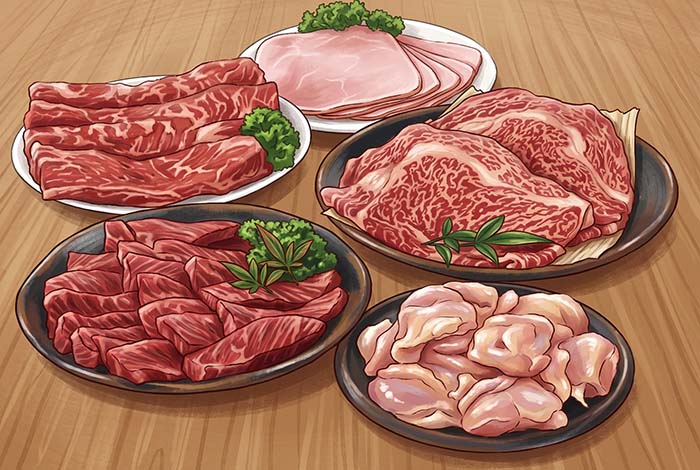
The Nikujaga Test If you want to start a friendly culinary argument in Japan, ask a room full of people what kind of meat belongs in curry or “Nikujaga” (a traditional meat and potato stew). If the person is from Osaka or Kyoto (West Japan), they will proudly declare that it must be beef. But if the person is from Tokyo (East Japan), they will fiercely argue that it must be pork! This is one of the most famous and fascinating food divides in the country. Despite being a relatively small island nation, the historical split between the beef-loving West…

View More The Great Meat Divide: Why Does West Japan Eat Beef and East Japan Eat Pork?

Is “Omurice” Actually French? (The Birth of Yoshoku)

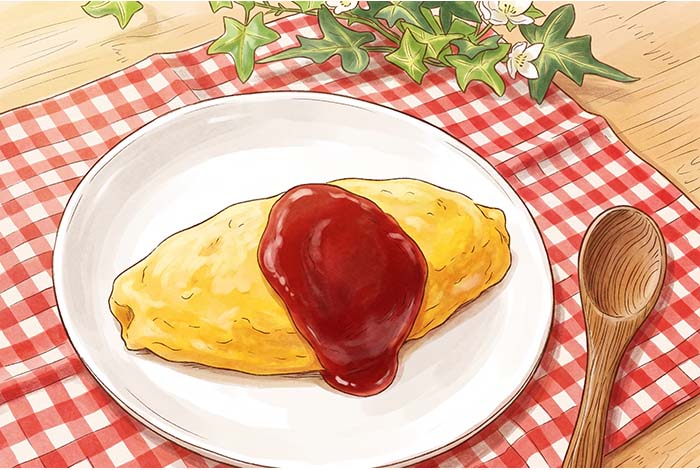
Beyond Sushi and Ramen When foreigners think of traditional Japanese food, they immediately picture raw fish, steaming bowls of ramen, or delicate tempura. But there is an entirely different, massive category of beloved everyday food in Japan known as “Yoshoku” (Western-style Japanese food). These are dishes that sound European but were entirely invented and perfected inside Japan. And the absolute king of the Yoshoku menu—loved by children and nostalgic adults alike—is “Omurice” (Omelet Rice). While the name sounds like a simple translation, this incredibly satisfying dish is a purely Japanese culinary masterpiece. Meiji Era Invention The origin of Omurice traces…

View More Is “Omurice” Actually French? (The Birth of Yoshoku)

Why Don’t Japanese Restaurants Let You Take Leftovers Home? (The Ramen Rule)

The American Leftover Paradise In the United States, restaurant portions are famously massive, and taking your leftovers home in a “doggy bag” or a styrofoam box is a completely standard practice. Whether it is half a pizza, a giant steak, or even a bowl of soup, Americans love saving their food for tomorrow’s lunch. However, if you try asking a waiter in Japan for a takeout box for your half-eaten meal, you will almost certainly be met with a very polite but firm “No.” Many foreign tourists are completely shocked by this strict refusal, assuming the restaurant is just being…

View More Why Don’t Japanese Restaurants Let You Take Leftovers Home? (The Ramen Rule)

Why Is Everyone in Japan Wearing a Suit? (The Uniform of Adulthood)

The Sea of Black and Navy If you work in Los Angeles, business casual is the golden rule. Tech CEOs wear hoodies, and marketing managers wear jeans and sneakers to the office. But if you step out of a major train station in Tokyo like Shinjuku or Marunouchi during rush hour, you will be met with a massive, perfectly synchronized sea of black, navy, and dark grey. Almost every single office worker (Salaryman) and businesswoman is wearing a sharp, formal suit. In Japanese corporate culture, wearing a suit is not just about looking nice for a meeting; it is considered…

View More Why Is Everyone in Japan Wearing a Suit? (The Uniform of Adulthood)

Older Than America: Why Does Japan Have the World’s Longest-Running Businesses?

A Land of Living History The United States is a young, vibrant nation with a history of about 250 years. In the fast-paced business world of Los Angeles or Silicon Valley, a company that lasts 50 years is considered a legend. But when you look at Japan, the scale of time is completely different. Shockingly, about 40 to 50% of all companies in the world that are over 200 years old are located in Japan! There are thousands of Japanese businesses that were already thriving long before the United States was even founded. From the world’s oldest hotel (Nishiyama Onsen…

View More Older Than America: Why Does Japan Have the World’s Longest-Running Businesses?

The Lazy Man’s Onsen: Why “Ashiyu” is Japan’s Best Travel Hack

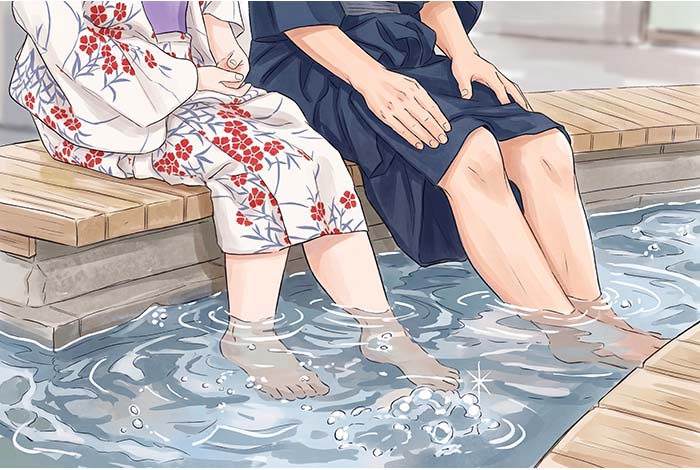
The Concept of the Mini-Onsen For many travelers visiting Japan, the famous “Onsen” (hot spring) culture can be a bit intimidating. The idea of getting completely naked in front of strangers can be a major psychological hurdle. This is where “Ashiyu” (foot baths) come to the rescue. An Ashiyu is a small, public pool of hot volcanic spring water designed specifically for soaking only your feet and ankles. You can find them in city parks, outside train stations in mountain towns, and even at some luxury hotels. It is the ultimate “lite” version of the Japanese onsen experience, requiring zero…

View More The Lazy Man’s Onsen: Why “Ashiyu” is Japan’s Best Travel Hack