
Share This Article



The Iconic Shape
If you walk into any Japanese convenience store, you will see walls of “Onigiri” (rice balls). While the fillings range from spicy tuna to fried chicken, the shape is almost universally the same: a perfect triangle. Have you ever wondered why they aren’t just round?
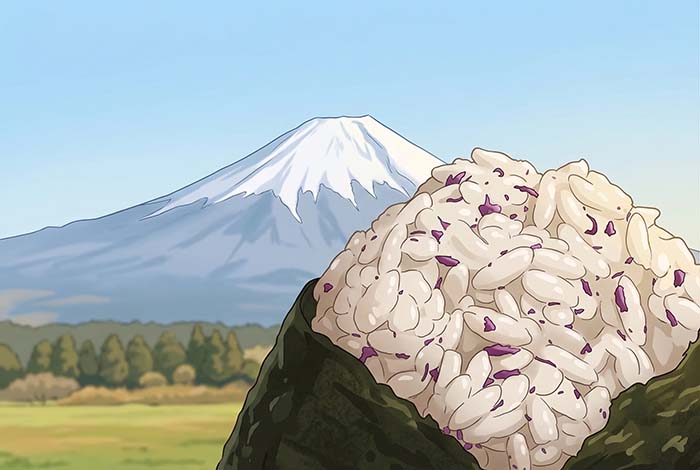
The Mountain Connection
The triangular shape isn’t just for easy packaging; it actually has deep, ancient spiritual roots. In traditional Japanese Shinto beliefs, mountains are considered sacred. They are the homes of “Kami” (nature gods and spirits) who watch over the land and bring good harvests.
👉 Want to read more about Japanese demographics and society?
Read Next:https://japanupmagazine.com/archives/19645
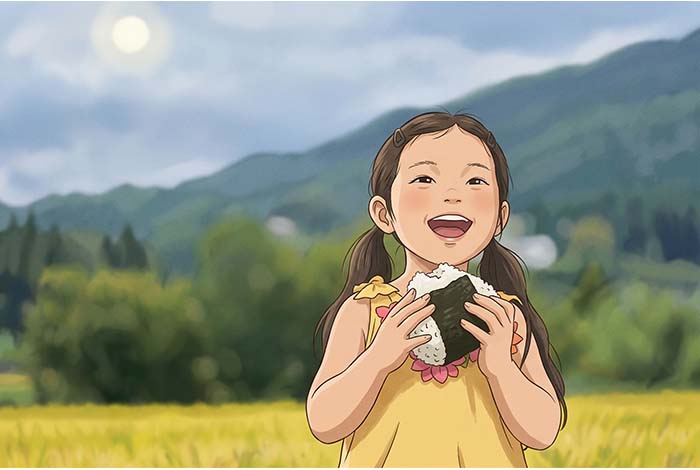
Absorbing the Energy
Centuries ago, people believed that by molding their rice into the shape of a mountain, they could capture the spiritual energy of the Kami. Eating a triangular Onigiri was essentially a bite-sized blessing, meant to grant the eater strength, protection, and good fortune.
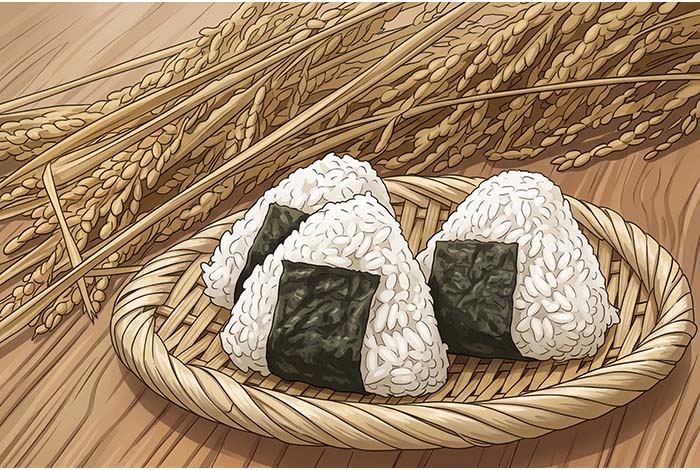
The Practical Side
Beyond spirituality, the triangle is an engineering marvel. It is incredibly easy to pack tightly into a bento box without wasting space. The three corners also make it the perfect ergonomic shape to hold in one hand while traveling or hiking up an actual mountain.
A Cultural Icon
While some regions in Japan do make round or cylindrical rice balls, the triangle remains the undisputed cultural icon. So, the next time you unwrap a salmon Onigiri for a quick lunch, remember that you are actually holding a tiny, delicious shrine in the palm of your hand!
▼ Read Next:
.
.
Share This Article
Related Articles
Pick Up
- Celebrate 10 Years!! Daikokuya El Monte Launches Ann...
- Pho-Inspired Asian Spicy Ramen Returns for a Limited...
- Torikizoku’s second location in Anaheim Takeout yaki...
- Half-Price Hakata Ramen: Shin-Sen-Gumi Rosemead̵...
- Daikokuya El Monte Celebrates 10th Anniversary! ...
-

- A popular spot for authentic tempura rice bowls and ...
- Honda-ya Charity Event Celebrates Kappo Honda’...
- Zespri Kiwifruit: A Sweet, Vitamin-C Boost for Fall
- Onigiri Sun DTLA Location Now Open
- LA Dassai Experience: Japan and USA’s Finest S...
- See more Fun Facts articles >



Latest Articles
- Free Medicare Seminars, Learn the Besics and Review...
- Capture Special Memories at Kimono no Kobeya ...
- Check Out JINS 360°! New Store Now Open!
- Discover JINS’ Revolutionary Multi-Directional Movem...
- 2027 Coming-of-Age Ceremony presented by Nadeshiko-k...
-

- Kappo Honda 30th Anniversary Charity Event
- JapanUp! 228 – October 2026
- Quiz – October 2026
- Chiikawa comes to Channel Oishii with 20 curated foo...
- Kanagawa: The Many Faces of Japan, All in One Place
- See all articles >