Share This Article



The Corporate Seating Minefield
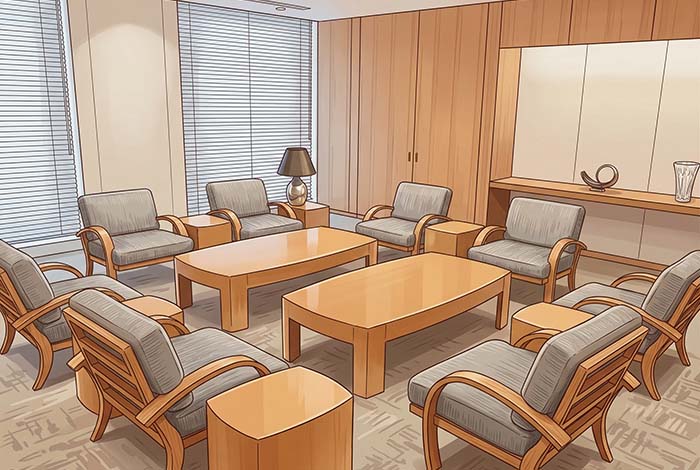
When American business people go out for a dinner meeting or enter a conference room, they generally just sit wherever they feel comfortable, or perhaps naturally cluster around the person leading the meeting. In Japan, however, walking into a room and sitting in the wrong chair can be a massive corporate faux pas. The Japanese business world is governed by a strict, invisible seating hierarchy known as “Kamiza” (the upper seat) and “Shimoza” (the lower seat). The fundamental rule is that the most important person—such as the boss, the oldest person, or the paying client—must always sit in the Kamiza, which is the safest, most comfortable seat located furthest away from the entrance door.
From Samurai Castles to Modern Taxis
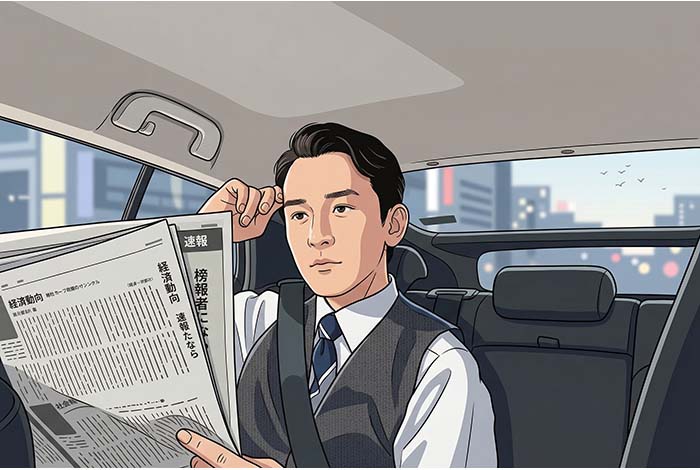
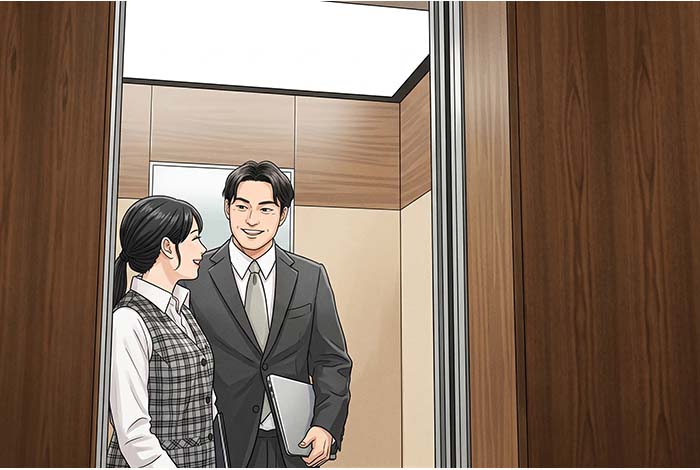
This etiquette is remarkably detailed and applies to absolutely everywhere you go. The host or the lowest-ranking employee must sit in the Shimoza, right next to the door, so they can easily handle ordering food, passing dishes, or paying the bill without disturbing the VIPs. This tradition actually dates back to the Samurai era, where the seat furthest from the door was the safest from potential assassins, and the seat closest to the door was the most dangerous due to drafts and sudden attacks! Today, this invisible hierarchy extends far beyond the meeting room. There is a strict Kamiza and Shimoza order inside elevators (the junior stands by the buttons), inside trains, and even in taxis (the boss gets the back seat directly behind the driver).
👉 Want to read more about Japanese demographics and society?
Read Next:Why Must You Take Off Your Shoes Before Entering a House?
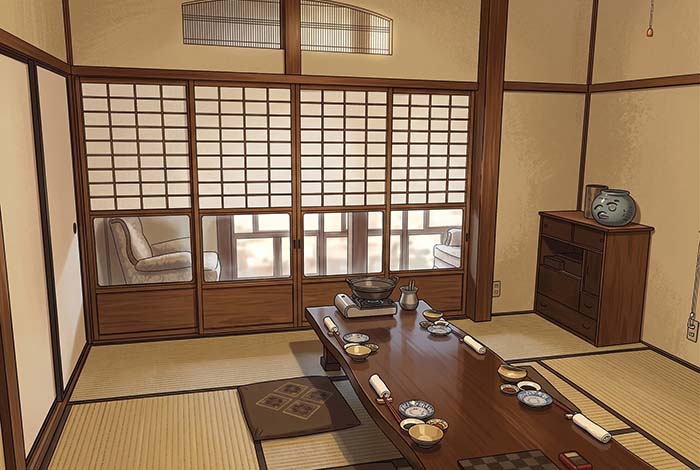
The Fading Showa Era Rule
Is this strict rule still alive today? It depends entirely on the company. Modern tech startups in Tokyo often completely ignore these rigid formalities, preferring a flat, Western-style work environment. However, in older, traditional “Showa-era” companies, or businesses with a strong “Taiikukai-kei” (sports-team mentality) culture, this seating order is fiercely protected and trained into new employees from day one. Even among progressive companies, when hosting an important external client for a business dinner, employees will still naturally arrange themselves to ensure the client is offered the honorable Kamiza. It is a deeply ingrained cultural reflex rooted in the ultimate spirit of Japanese hospitality.
▼ Read Next:
.
.
Share This Article
NEW MAGAZINE
Related Articles
Pick Up
- Japan Now! Why a Tiny Japanese Rubber Stamp Just Too...
- Japan Now! Why Are Japanese Teens Obsessed with R...
- Japan Now! Samurai Blue Stun Brazil with an Early Le...
- Japan Now! Why Did Male Artists Just Sweep ALL 10 of...
- Japan Now! A “Once in a Decade” Heatwave...
-

- Japan Now! Why is Japan Quintupling Its Visa Fees? T...
- Japan Now! It’s Tanabata! Why All of Japan Is ...
- Japan Now! What Is Typhoon Season in Japan, and Shou...
- Japan Now! BE:FIRST Drop New Song “MissingR...
- Japan Now! New Sword Art Online Movie “Integra...
- See more Fun Facts articles >






Latest Articles
- Binge-Watch The Solitary Gourmet on Channel Oishii
- GreeNoodle: Healthy Organic Instant Noodles Made wit...
- New at Garlic High: Yuzu Seafood Tsukemen, for a Lim...
- Kendo Trial Class in SFV area: Beginners Welcome in ...
- Watch Japanese Anime Free on Channel Oishii, No Sign...
-

- Like Tempura Carlos Jr. EXPRESS on Instagram and Get...
- Limited Time! RAKKAN Ramen’s Summer Special Menu
- Two Luxurious New Wafu Noodle Dishes Arrive at Takag...
- JAPANESE SAMURAI / Motoori Norinaga
- I LIVE IN JAPAN / Carine Lantignac / Artist and Cult...
- See all articles >