Share This Article



The Directness Divide
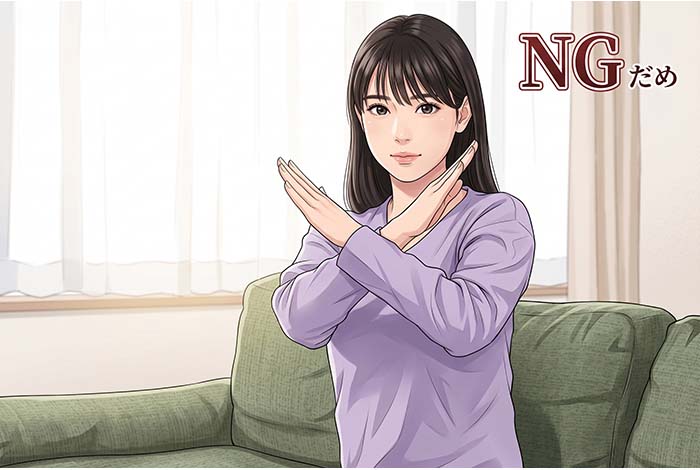
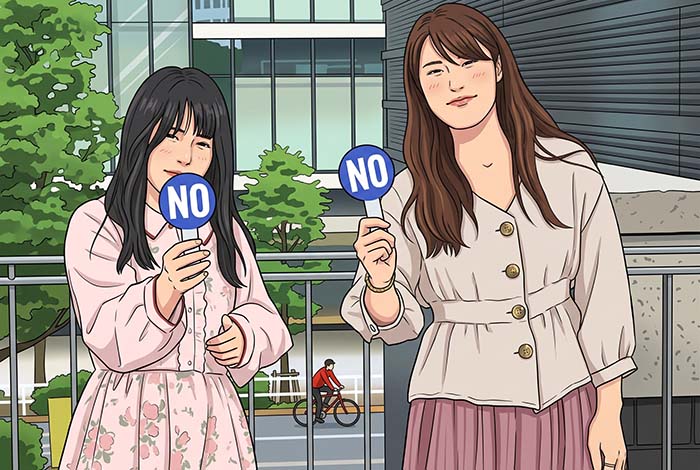
In the United States, communication is highly straightforward. If someone offers you something you don’t want, or asks you to do something you cannot do, the polite and expected response is a clear, simple “No, thank you.” However, if you travel to Japan and try to listen for the Japanese word for “no” (which is Iie), you will almost never hear it used in daily conversation. In Japanese culture, delivering a blunt, direct “no” is often considered socially aggressive or rude because it disrupts the peaceful harmony (Wa) between people. Instead, the Japanese have mastered a highly complex, roundabout language of gentle refusals.
The Magic Word “Chotto…”
For tourists trying to navigate Japan, the most important word to learn is not “no,” but rather the magical delay word: Chotto (which literally translates to “a little”). If you invite a Japanese friend out for dinner and they cannot make it, they will not say, “No, I can’t go.” Instead, they will smile apologetically, inhale softly, and say, “Tonight is chotto…” and then completely trail off into silence. To a Westerner, an unfinished sentence is confusing, but in Japan, that trailing silence is a loud and clear “No.” They are leaving the sentence unfinished so that you can gracefully figure out the rejection without them having to aggressively say it to your face.
👉 Want to read more about Japanese demographics and society?
Read Next:Why Does Japanese Have Three Different Levels of Politeness? (The Magic of “Keigo”)

Reading the Air (Kuuki wo Yomu)
This cultural concept of reading between the lines is called Kuuki wo Yomu (Reading the Air). Japanese service staff, hotel clerks, and locals will use physical cues to tell you “no” without saying the word. If you ask a question at a store and the clerk tilts their head, crosses their arms, sucks air through their teeth, or says the phrase “That might be a bit muzukashii (difficult),” you must immediately read the air! They are not telling you that it is “difficult but possible”—they are politely telling you that it is absolutely impossible. As a traveler, learning to accept these soft, roundabout refusals with a smile will make your trip infinitely smoother!
▼ Read Next:
🔗What Is a “Senpai”? (The Strict Rules of Japan’s Vertical Society)
.
.
Share This Article
Related Articles
Pick Up
- Japan Now! It’s Rice Day in Japan, So Dragon Q...
- Japan Now! 7,000 Stranded at Narita as Record Rain S...
- Pokemon Worlds Takes Over San Francisco, and We Got ...
- Japan Now! The Final Four Is Set. Ariake’s Mir...
- Japan Now! Whole Torched Purin on a Crepe. Ise’...
-

- Japan Now! Doraemon Is Taking a Steam Train to Victo...
- Japan Now! 156 km/h. Bases Loaded. No Outs. Koshien&...
- Japan Now! Japan Answered. The Monster Falls, and th...
- Japan Now! The Spear Won. Chiben Wakayama Takes Kosh...
- Japan Now! She Said Yes. Olympic Champions Riku Miur...
- See more Fun Facts articles >









Latest Articles
- Free Medicare Seminars, Learn the Besics and Review...
- Den’s Tea ...
- Capture Special Memories at Kimono no Kobeya ...
- Recommended for Those on a Diet! Healthy Noodles
- Savor Seasonal Specials at TAKAGI COFFEE!
-

- Daikokuya El Monte Celebrates 10th Anniversary! ...
- Check Out JINS 360°! New Store Now Open!
- Pho-Inspired Asian Spicy Ramen Returns for a Limited...
- Discover JINS’ Revolutionary Multi-Directional Movem...
- Celebrate 10 Years!! Daikokuya El Monte Launches Ann...
- See all articles >