
Share This Article



The Hollywood Illusion
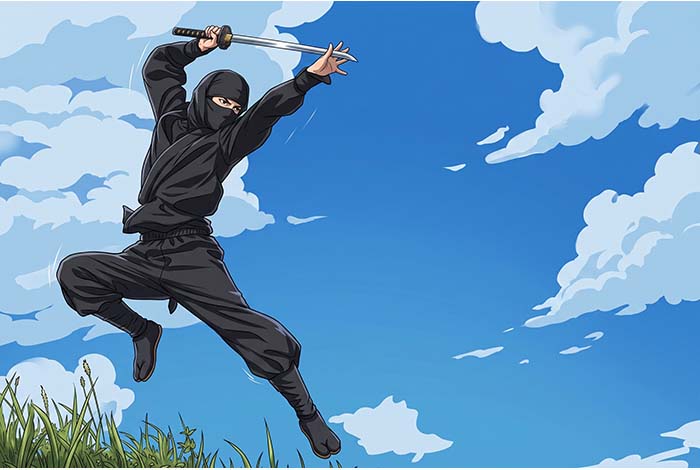
When Americans picture a Japanese “Ninja,” the image is universally identical: a highly trained, silent assassin doing backflips across a rooftop, dressed entirely from head to toe in a pitch-black, form-fitting suit with only their eyes exposed. From 1980s action movies to the Teenage Mutant Ninja Turtles, this iconic black uniform has become the ultimate symbol of Japanese martial arts. However, if you travel to Japan and study the actual historical documents from the feudal era, you will discover a shocking truth that shatters this pop-culture illusion. Real ninjas almost never wore black suits.
The Art of True Invisibility
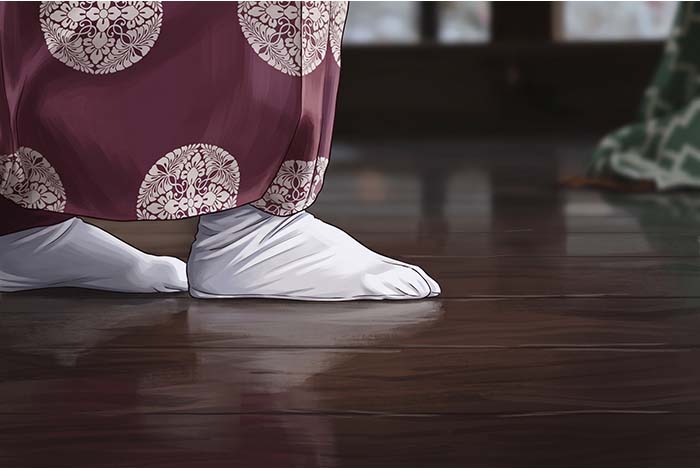
To understand why the black suit is a myth, you have to understand the true job of a ninja (historically called Shinobi). They were not frontline fighters or superhero assassins; they were covert intelligence agents, spies, and information gatherers. True invisibility doesn’t mean hiding in the shadows; it means blending perfectly into a crowd. If a person walked through a busy Edo-period market or a samurai town wearing a full black mask and a stealth suit, they would look incredibly suspicious and be arrested immediately! Instead, real ninjas wore normal, everyday clothes. They disguised themselves as poor farmers, traveling monks, street performers, or merchants to silently eavesdrop on enemy plans without anyone noticing.
👉 Want to read more about Japanese demographics and society?
Read Next:The Deadly Mistake Tourists Make When Wearing a Kimono (Left or Right?)
The Theatrical Origin of the Black Suit
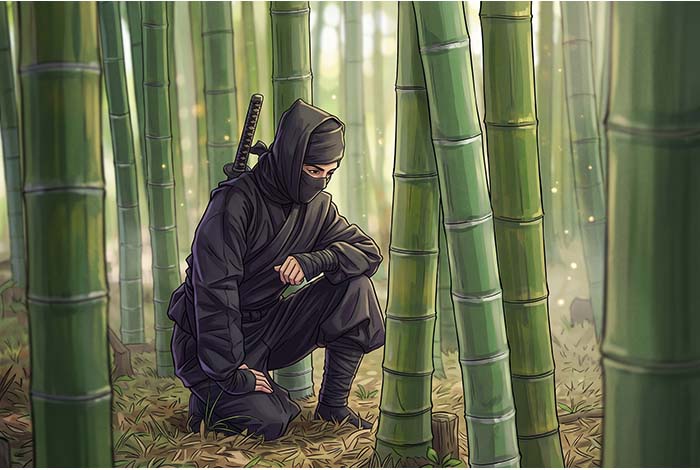
So, if real ninjas wore boring farm clothes, where did the cool black suit come from? The answer is brilliantly simple: the Japanese theater! During the Edo period, traditional Kabuki theater plays often featured ninja characters. In Kabuki, stagehands called “Kuroko” dress in all-black to move props around the stage, and the audience is trained to pretend these stagehands are “invisible.” Playwrights cleverly decided to dress the ninja actors in these exact same black stagehand outfits to visually represent to the audience that the character was currently “unseen” or hiding in the dark. Western pop culture saw these theatrical plays, took the visual literally, and the legendary myth of the black-suited ninja was born!
▼ Read Next:
🔗Why Do Authentic Kimonos Cost as Much as a Car? (The Masterpiece You Can Wear)
.
.
Share This Article
NEW MAGAZINE

Related Articles
Pick Up
- Japan Now! Ultraman Turns 60! Japan Celebrates Ultra...
- Japan Now! A Famous Actor’s Face on Your Lettu...
- Japan Now! Japan Is Building Its Own Santa Monica, a...
- Japan Now! Japan’s “Bomb” Rice Bal...
- Japan Now! Japan’s Fireworks Season Is 900 Fes...
-

- Japan Now! The Three Views of Japan, a 380-Year-Old ...
- Japan Now! Sudachi Soba Is Trending, Japan’s P...
- Japan Now! 4 Years Since the Shinzo Abe Assassinatio...
- Japan Now! Bon Odori Takes Over Shibuya! The 600-Yea...
- Japan Now! What Is Doyo no Ushi? The Day All of Japa...
- See more Fun Facts articles >










Latest Articles
- Keiro Kikyo Home Receives State License for Its Firs...
- Japan Deluxe Tours Is Now Booking Its Takayama Festi...
- ANA Los Angeles Route Marks 40 Years With a Commemor...
- Onigiri Sun Opens Its Second Location in DTLA on Jul...
- Kimukatsu’s July-Only Special Unagi Don Set in...
-

- Den’s Tea July Special: Hojicha Tea Bags Are 1...
- Kigawa Chiropractic: NAET and Gentle Care for All Ag...
- Japanese Supermarket Jobs in LA: Product Demo Staff ...
- Wa Dining Suya in Torrance: Exquisite Japanese Cuisi...
- YUKI SAORI in LOS ANGELES ~From 1969 to the Future~ ...
- See all articles >