Share This Article



Last updated: July 7, 2026
Japanese Rice: Short Grain vs. Long Grain
If you have ever eaten sushi, you already know Japanese rice is different: it is stickier, glossier, and slightly sweeter than the rice served in most Western meals.
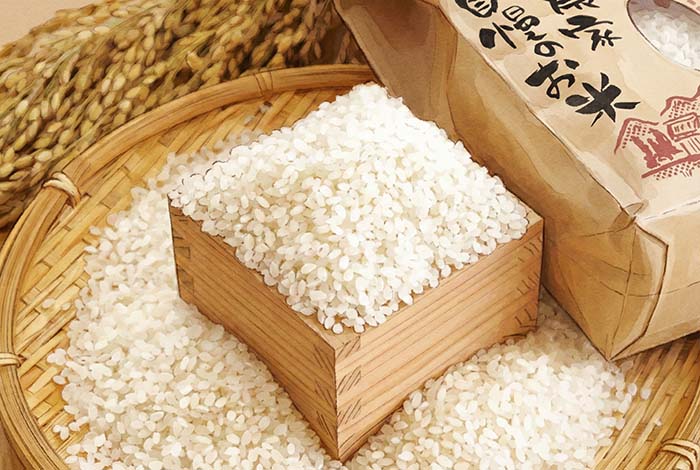
If you are used to Jasmine or Basmati rice, Japanese rice might feel “wet” or “gummy” to you. This is because Japanese rice is “Japonica” (Short-grain), while most of the world eats “Indica” (Long-grain). Japonica rice contains more moisture and starch, making the grains cling together. This isn’t a cooking mistake; it’s the goal!
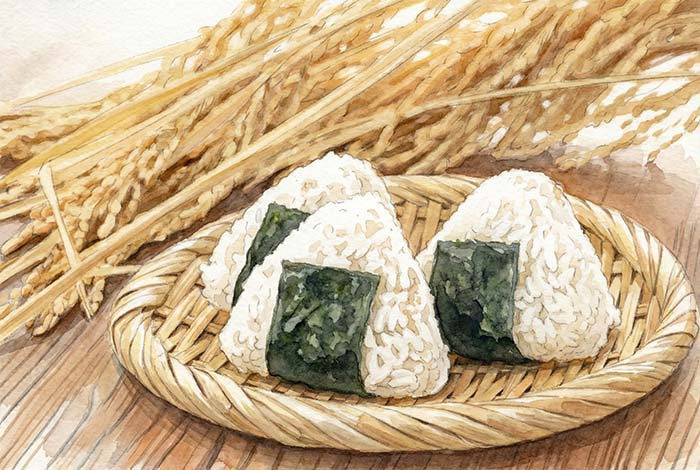
Engineered for Chopsticks
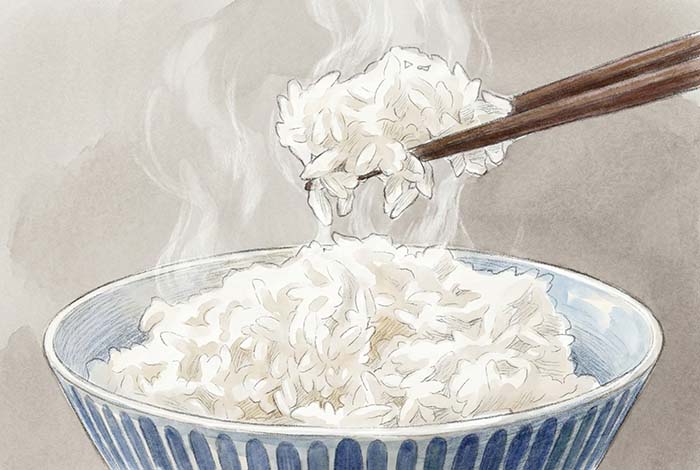
Why does it need to be sticky? Because of chopsticks. If the rice were dry and fluffy like in the US or India, it would be impossible to pick up clumps of rice with two sticks. The stickiness also allows it to be molded into shapes like “Onigiri” (Rice Balls) and Sushi without falling apart.
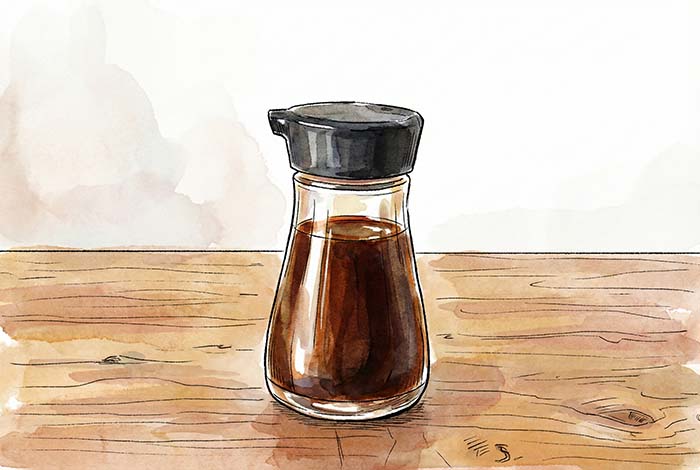
The Main Dish, Not a Side
In Japan, rice is not just a side dish to soak up sauce; it is the main star. High-quality Japanese rice has a distinct natural sweetness and “Umami” when chewed. That is why Japanese breakfasts often consist of just plain white rice, miso soup, and pickles. We want to taste the rice itself, not drown it in soy sauce!
Japanese Rice FAQ
Why is Japanese rice so sticky?
Japanese rice is a short-grain japonica variety that is high in a starch called amylopectin and low in amylose. This balance makes the grains cling together and turn glossy and sticky when cooked.
Is Japanese rice the same as sushi rice?
Sushi rice is Japanese short-grain rice that has been seasoned with vinegar, sugar, and salt. The rice itself is the same japonica type, but the seasoning is what makes it “sushi rice.”
Why does Japanese rice taste sweet?
As you chew, enzymes in your saliva break the rice starch into sugars, and japonica rice releases this sweetness readily. Good short-grain rice has a naturally mild, slightly sweet flavor even without seasoning.
Can I use regular long-grain rice instead of Japanese rice?
For dishes like sushi or onigiri, no. Long-grain indica rice stays separate and fluffy, so it will not hold together. You need sticky short-grain japonica rice for those foods to work.
The Best Way to Eat Japanese Rice (Related Article)
Now that you know why Japanese rice is so sticky, you need the perfect dish to test it. The stickiness makes it strong enough to hold heavy, thick sauces without falling apart. The ultimate example? Japanese Curry.
👉 Why is Japanese Curry so different from the rest of the world? Check out our article: “Why Does Japanese Curry Taste Nothing Like Indian Curry?” to discover the secret history of the dish that was invented to match this sticky rice!
.
.
Share This Article
Related Articles
Pick Up
- Celebrate 10 Years!! Daikokuya El Monte Launches Ann...
- A popular spot for authentic tempura rice bowls and ...
- Pho-Inspired Asian Spicy Ramen Returns for a Limited...
- Daikokuya El Monte Celebrates 10th Anniversary! ...
- Honda-ya Charity Event Celebrates Kappo Honda’...
-

- Zespri Kiwifruit: A Sweet, Vitamin-C Boost for Fall
- Half-Price Hakata Ramen: Shin-Sen-Gumi Rosemead̵...
- Torikizoku’s second location in Anaheim Takeout yaki...
- LA Dassai Experience: Japan and USA’s Finest S...
- Onigiri Sun DTLA Location Now Open
- See more Fun Facts articles >




Latest Articles
- Free Medicare Seminars, Learn the Besics and Review...
- Capture Special Memories at Kimono no Kobeya ...
- Check Out JINS 360°! New Store Now Open!
- Discover JINS’ Revolutionary Multi-Directional Movem...
- 2027 Coming-of-Age Ceremony presented by Nadeshiko-k...
-

- Kappo Honda 30th Anniversary Charity Event
- JapanUp! 228 – October 2026
- Quiz – October 2026
- Chiikawa comes to Channel Oishii with 20 curated foo...
- Kanagawa: The Many Faces of Japan, All in One Place
- See all articles >