Why Do Japanese Men Buy Marshmallows on March 14th? (The “White Day” Pressure)

Ask any professional skier or snowboarder where their dream destination is. Many will say “Japan.” Specifically, regions like Niseko (Hokkaido) or Hakuba (Nagano). The snow here is legendary. It has a nickname among international athletes: “Japow” (Japan + Powder).

View More Why Do Japanese Men Buy Marshmallows on March 14th? (The “White Day” Pressure)

The “Black Curry” Obsession: Why You Need to Try Go Go Curry in Gardena — The Legend of Kanazawa Style: 55 Hours of Umami —

Have you ever tried “Kanazawa Curry”? It is completely different from standard Japanese curry. It is famous for its dark, thick, and rich roux that looks almost black. Now, you can taste this legendary “soul food” at Tokyo Central Gardena.

View More The “Black Curry” Obsession: Why You Need to Try Go Go Curry in Gardena — The Legend of Kanazawa Style: 55 Hours of Umami —

“25 Layers of Heaven” Arrives in Torrance! — Famous “Mille-Feuille Katsu” Shop Kimukatsu Opens Feb 6

Great news for tonkatsu lovers! “Kimukatsu,” the legendary pork cutlet specialty shop born in Ebisu, Tokyo, is making its grand debut at the Tokyo Central PCH Torrance food court on Friday, February 6, 2026.

View More “25 Layers of Heaven” Arrives in Torrance! — Famous “Mille-Feuille Katsu” Shop Kimukatsu Opens Feb 6

Why Does Japanese Curry Taste Nothing Like Indian Curry?

Tourists are often confused when they order “Curry” in Japan and get a thick, brown, sweet stew. Why no spices? Why is it so thick? The answer lies in history. Curry didn’t come to Japan directly from India; it came via the British Navy in the late 19th century. Japan adopted the British stew-like version and evolved it into a unique Western-style dish called “Yoshoku.”

View More Why Does Japanese Curry Taste Nothing Like Indian Curry?

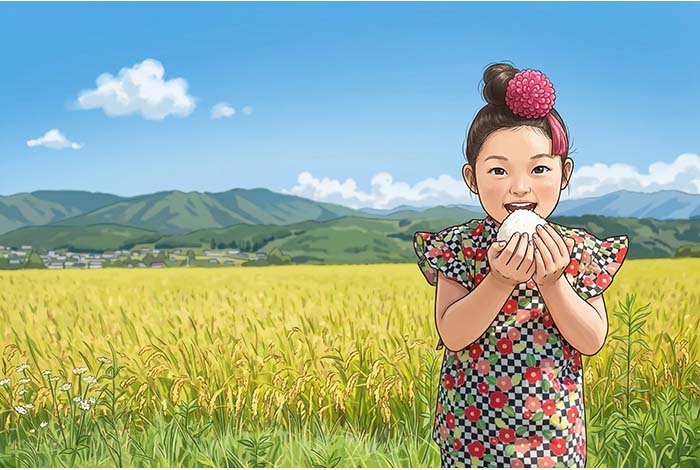
Why Is Japanese Rice So Sticky and Sweet? (It’s Not Just Water)

If you are used to Jasmine or Basmati rice, Japanese rice might feel “wet” or “gummy” to you. This is because Japanese rice is “Japonica” (Short-grain), while most of the world eats “Indica” (Long-grain). Japonica rice contains more moisture and starch, making the grains cling together. This isn’t a cooking mistake; it’s the goal!

View More Why Is Japanese Rice So Sticky and Sweet? (It’s Not Just Water)