The Language Barrier For many native English speakers in LA, trying to pronounce French or Mandarin can be a nightmare of tricky tones and weird throat sounds. But Japanese? It is surprisingly easy to pronounce. On the flip side, Japanese people famously struggle to pronounce English words. Why? The Syllable Count It all comes down to math. English is a massive, chaotic language with anywhere from 10,000 to 15,000 different possible syllables (sound units). Japanese, however, is incredibly streamlined. The entire language is built on roughly 100 basic syllables! The Vowel Foundation In Japanese, almost every single sound must end…
View More Why Is Japanese So Easy to Pronounce? (The 100-Syllable Secret)Category: JAPANICTIONARY
The Great Japanese Spice Lie: What Is “Yuzu Kosho”? (The Missing Black Pepper)
The Ultimate Citrus Spice If you are a fan of spicy food, your fridge in LA is probably stocked with Sriracha, Jalapeños, or Cholula. But in Japan, there is an elite, intensely flavorful condiment that will completely change the way you eat chicken and hot pot: “Yuzu Kosho.” The Translation Trap If you translate the name literally, it seems simple. “Yuzu” is Japan’s famous, highly aromatic citrus fruit. “Kosho” translates to “Black Pepper.” So, it must be a mix of citrus and black pepper, right? Absolutely not! There is zero black pepper in this paste. The Kyushu Secret This is…
View More The Great Japanese Spice Lie: What Is “Yuzu Kosho”? (The Missing Black Pepper)Why Is Everyone Dining Alone in Japan? (The Rise of “Solo-Katsu”)
The Table for One In many Western countries, going to a restaurant or an amusement park completely alone can feel awkward. People worry that others might think they have no friends. But in Japan, doing things by yourself isn’t lonely—it is a booming lifestyle trend called “Solo-Katsu” (Solo Activities). The Ramen Booths The trend started with practical dining. Famous ramen chains like Ichiran pioneered the “flavor focus booth.” You sit at a counter with wooden dividers on both sides, completely isolated from other customers. You don’t even see the waiter’s face. It is just you and the noodles. Solo BBQ…
View More Why Is Everyone Dining Alone in Japan? (The Rise of “Solo-Katsu”)Why Do 4,000 Japanese Characters Contain the Word “Woman”? (The Kanji Time Capsule)
The Building Blocks of Kanji Learning Japanese Kanji is like solving a puzzle. Complex characters are built by combining smaller, basic symbols called “radicals.” For example, if you combine the radical for “Sun” (日) and “Moon” (月), you get the character for “Bright” (明). A Massive Gender Imbalance But there is a shocking linguistic statistic hidden in the dictionary. If you search for characters containing the radical for “Woman” (女 – Onna), you will find over 4,000 of them! However, if you search for characters containing the radical for “Man” (男 – Otoko), there are only about 100. The Ancient…
View More Why Do 4,000 Japanese Characters Contain the Word “Woman”? (The Kanji Time Capsule)What Are “Kotowaza”? (The Hidden Wisdom in Japanese Conversations)
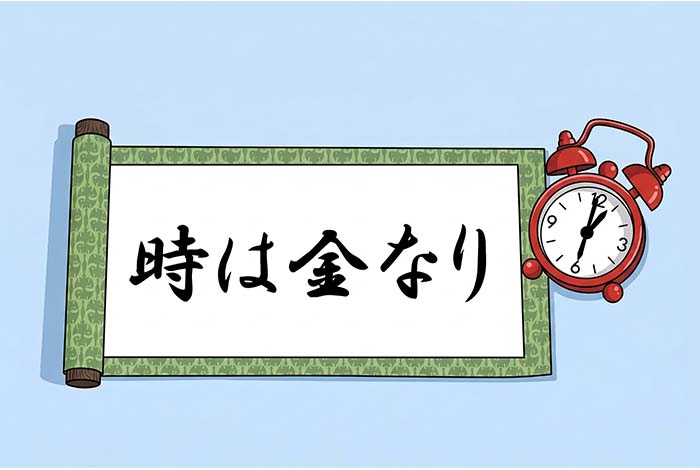
The Code of Conversation If you listen closely to a conversation between Japanese people, you might hear them drop short, poetic phrases that don’t seem to make literal sense. They might suddenly talk about monkeys, nails, or dumplings. These are “Kotowaza”—traditional Japanese proverbs. Bite-Sized Wisdom Kotowaza are deeply ingrained in the culture. They are bite-sized pieces of ancient wisdom, morals, and life lessons passed down through generations. Instead of lecturing someone, Japanese people use these short phrases to elegantly convey complex emotions or advice. Monkeys and Trees For example, if a highly skilled professional makes a silly mistake, someone might…
View More What Are “Kotowaza”? (The Hidden Wisdom in Japanese Conversations)Iwau (祝う) -“Celebrate” or “Congratulate” / Japanese Word
Learn Japanese word with us!
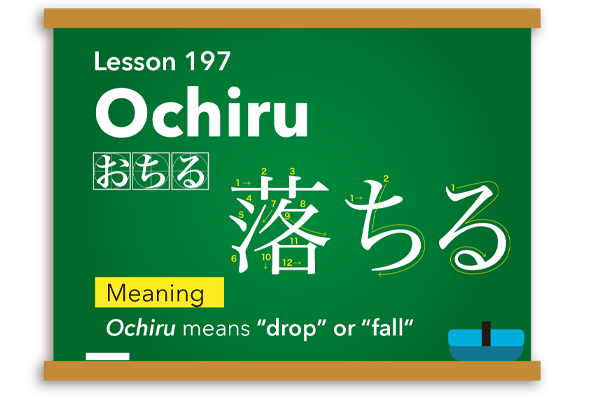
View More Iwau (祝う) -“Celebrate” or “Congratulate” / Japanese WordOchiru (落ちる) -“drop” or “fall” / Japanese Word
Learn Japanese word with us!
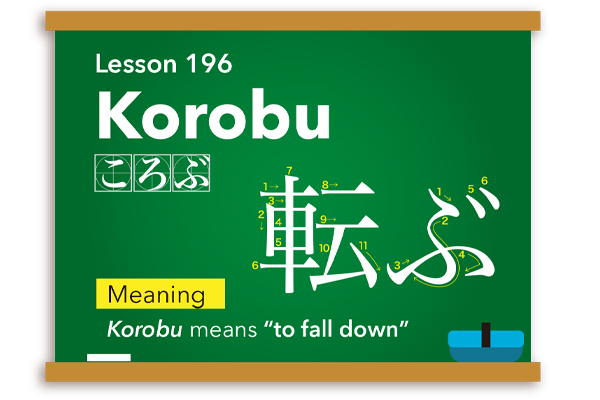
View More Ochiru (落ちる) -“drop” or “fall” / Japanese WordKorobu (転ぶ) -“to fall down” / Japanese Word
Learn Japanese word with us!
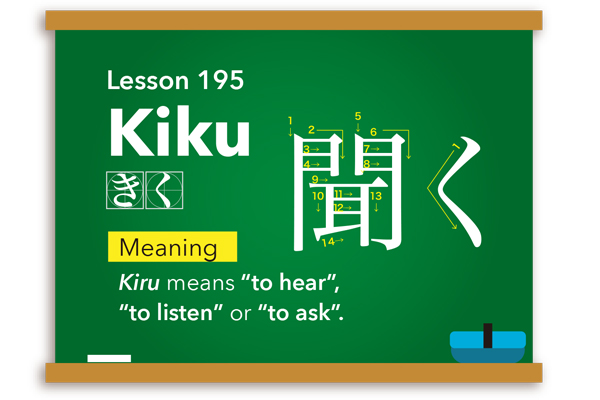
View More Korobu (転ぶ) -“to fall down” / Japanese WordKiku(聞く) -“Listen” or “Ask” / Japanese Word
Learn Japanese word with us!
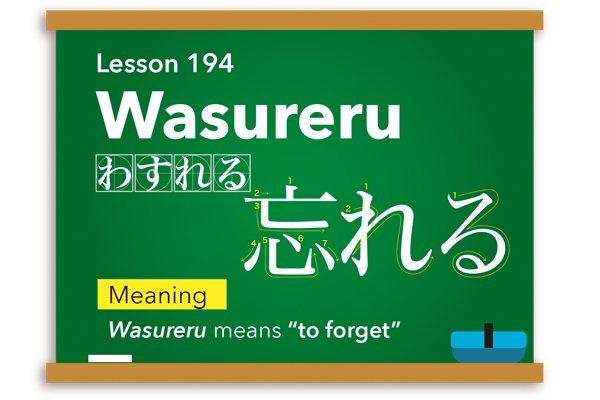
View More Kiku(聞く) -“Listen” or “Ask” / Japanese WordWasureru(忘れる) -“to forget” / Japanese Word
Learn Japanese word with us!
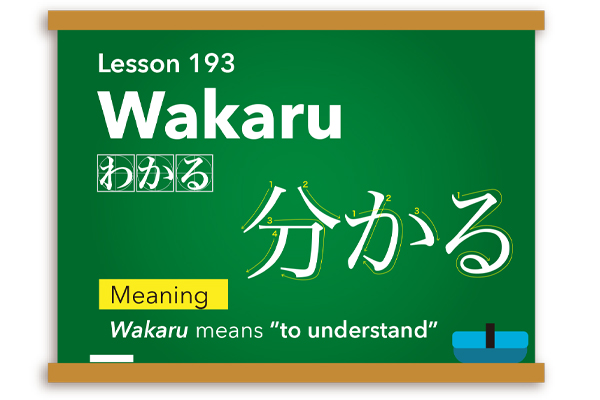
View More Wasureru(忘れる) -“to forget” / Japanese WordWakaru(分かる) -“to understand” / Japanese Word
Learn Japanese word with us!
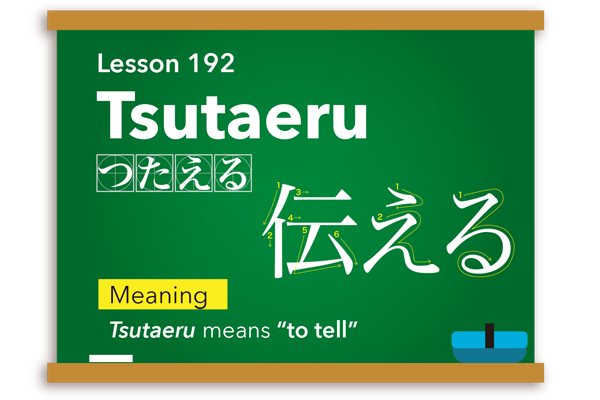
View More Wakaru(分かる) -“to understand” / Japanese WordTsutaeru(伝える) -“to tell” / Japanese Word
Learn Japanese word with us!
View More Tsutaeru(伝える) -“to tell” / Japanese Word