Share This Article



The Ultimate Japanese Comfort Food
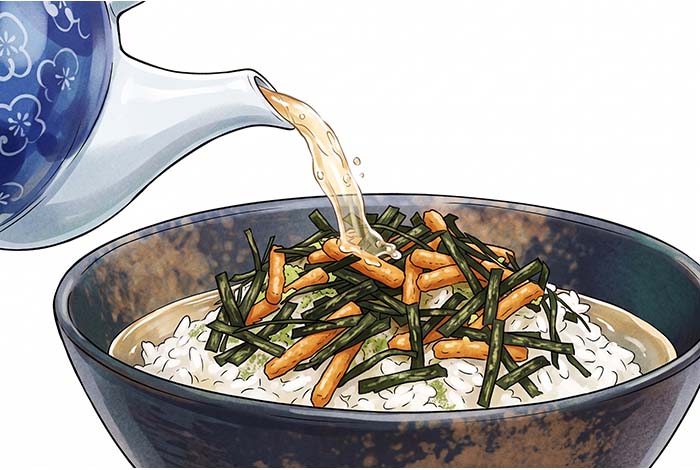
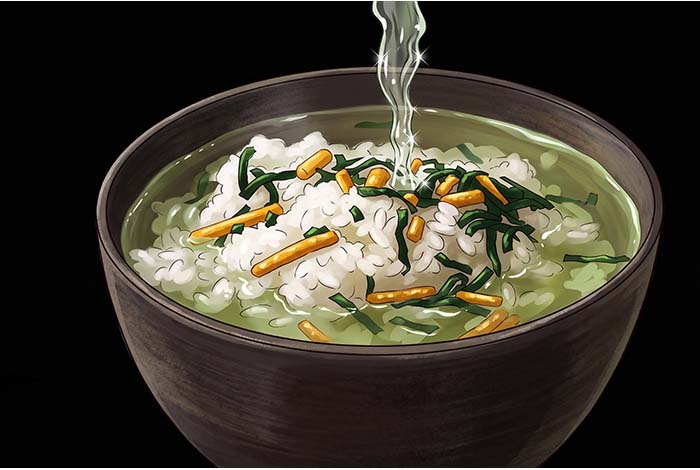
After a long day of work or a late night of social drinking, nothing hits the spot quite like a warm bowl of “Ochazuke.” This quintessential Japanese comfort food consists of a bowl of steamed rice topped with savory ingredients and submerged in hot green tea or dashi broth. If you buy the famous instant Ochazuke packets at a Japanese supermarket like Mitsuwa or Nijiya, you will notice a delightful mix of dried seaweed, green tea powder, and tiny, crunchy rice balls called “Arare.” While they add a beautiful, toasty texture, these little crunchy balls were actually invented to solve a major industrial packaging crisis!

The Accidental Dehumidifier
Sponsored Link
When the legendary food company Nagatanien first developed instant Ochazuke in the early 1950s, they faced a massive logistical nightmare. The packaging technology of the era was primitive, and they could not completely airtight seal the paper packets. During distribution across humid Japan, the moisture in the air would constantly seep into the packets, making the delicate seaweed soggy and causing the green tea powder to clump up into an unusable mess. While experimenting with ingredients, the creators discovered a miracle: adding toasted “Arare” rice pellets completely stopped the humidity! Because the puffed rice pellets were deeply dried and highly porous, they acted as natural, edible dehumidifiers, absorbing all the rogue moisture inside the packet to keep the seaweed perfectly crisp.
👉 Want to read more about Japanese demographics and society?
Read Next:The Hidden Engineering Inside Your Natto Pack (Why is the Bottom Bumpy?)
A Legacy of Accidental Perfection
Today, modern packaging technology is advanced enough to keep the product perfectly dry without any help. Yet, if you open a packet of Nagatanien Ochazuke today, the “Arare” pellets are still proudly inside. Why? Because over the decades, consumers fell absolutely in love with the distinct, savory crunch and the aromatic, toasty scent they released the moment hot water was poured over the bowl. What started as a desperate, low-tech engineering solution to fight humidity evolved into the most iconic and irreplaceable flavor profile of Japan’s favorite comfort food. It is a beautiful testament to how necessity breeds culinary perfection!
▼ Read Next:
🔗 What Is a “Hot Spring Egg”? (The Geothermal Magic of “Onsen Tamago”)
.
.
Share This Article
NEW MAGAZINE
Related Articles
Pick Up
- The Great Condiment Mystery: Why Doesn’t Japan...
- The Mystery of the Square Watermelon: Is It Actually...
- Shin-Sen-Gumi Yakitori Opening Soon in Little Tokyo!
- A Great Choice Even for Those on a Diet – Heal...
- Celebrate Children’s Day with Traditional Japanese S...
-

- Why Is It Polite to Eat Loudly in Japan? (The Secret...
- Why Do Japanese People Put Noodles Inside Their Brea...
- The Hidden Engineering Inside Your Natto Pack (Why i...
- The Ultimate Crunch: Why Does Japan Have “Rock...
- The Greatest Sushi Misunderstanding: Are You Really ...
- See more Fun Facts articles >










Latest Articles
- Why Do Japanese People “Swallow” Imagina...
- Don’t Snort, Just Shout: Why It Is Perfectly P...
- Why Does Japan Have No Street Names? (The Block Numb...
- ✨ Now Serving Our Limited-Time “Founding Anniversar...
- ✨Introducing HASU’s Special Lunch Menu 🍱 & Hap...
-

- [Japanese Interviews: Life in LA] Izumi Mitsuda : I’...
- The Ultimate Souvenir Hunt: The Genius Culture of Ja...
- The Macro to Micro Trap: Why Japanese Addresses Are ...
- The Two Leaders: Understanding Japan’s Unique ...
- No Touchscreens Allowed: The Extreme Strictness of J...
- See all articles >