Share This Article



Last updated: June 25, 2026
Across Japan today, the Samurai Blue’s 2-2 draw against the powerhouse Netherlands in their 2026 FIFA World Cup opener has sent shockwaves through the country. It is dominating morning talk shows, trending on social media, and fueling office water-cooler chatter.
To understand why a tie is being celebrated like a victory, you have to look at the sheer adversity the Japanese team, affectionately known as the Samurai Blue, faced just days before stepping onto the pitch in Dallas.
“🔹MATCH OVER🔹️
🏆FIFA World Cup 2026™ ⚔Group Stage Matchday 1
🇯🇵SAMURAI BLUE 2-2 Netherlands National Team🇳🇱“
Japan’s Hidden Depth and Heartbreaking Setbacks
The Captain’s Sudden Farewell
Just three days before the opening match, Japan was hit by a massive gut punch. Wataru Endo, the team’s regular captain and defensive anchor who plays for Liverpool, was forced to withdraw from the World Cup squad completely due to a severe foot injury. In a moving twist that left his teammates in tears, the 33-year-old midfield general immediately announced his retirement from international soccer. Stepping into the void, Ajax defender Ko Itakura was handed the captain’s armband in a literal race against time.
Rising Above the Odds
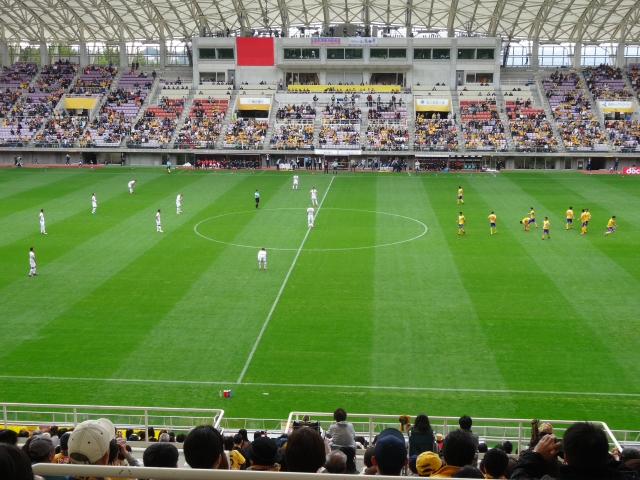
The Netherlands, led by world-class defender Virgil van Dijk, were heavy favorites. When Van Dijk scored in the 51st minute, it looked like Japan’s worst fears were coming true. However, this Japanese roster is defined by tactical discipline and quick transition play. Keito Nakamura answered back just five minutes later. Even after the Dutch took the lead again via Crysencio Summerville, the Samurai Blue refused to back down. In the 89th minute, Daichi Kamada fired home a dramatic equalizer, proving that Japan’s collective tactical strength can overcome the loss of their biggest individual stars.
The Stadium Afterparty: The Cleanest Fans in the World
While the action on the field was incredible, what happens after the final whistle is what truly mystifies and captures the respect of the international community.

World Cup Trivia: As the stadium empties out, you will notice hundreds of Japanese supporters staying behind. They aren’t just lingering; they are unpacking large, blue plastic bags that they brought with them. In a tradition that has viral global fame, Japanese fans methodically walk down the rows of the stadium, picking up not just their own trash, but all the cups, food wrappers, and debris left behind by everyone else.
To an American sports fan used to leaving stadium cleanups to the stadium staff, this might look bizarre. But in Japan, this behavior is rooted in a deeply embedded cultural philosophy taught from preschool: Atorigata (leaving a place cleaner than you found it). For Japanese people, representing their country on a global stage means taking responsibility for their environment. It’s an act of respect to the host country, and it ensures that win, lose, or draw, Japan always leaves a beautiful impression.
Share This Article
Related Articles
Pick Up
- Japan Now! Whole Torched Purin on a Crepe. Ise’...
- Japan Now! Doraemon Is Taking a Steam Train to Victo...
- Japan Now! She Said Yes. Olympic Champions Riku Miur...
- Japan Now! Japan Answered. The Monster Falls, and th...
- Japan Now! It’s Rice Day in Japan, So Dragon Q...
-

- Japan Now! 156 km/h. Bases Loaded. No Outs. Koshien&...
- Japan Now! 7,000 Stranded at Narita as Record Rain S...
- Pokemon Worlds Takes Over San Francisco, and We Got ...
- Japan Now! The Final Four Is Set. Ariake’s Mir...
- Japan Now! The Spear Won. Chiben Wakayama Takes Kosh...
- See more Fun Facts articles >








Latest Articles
- Free Medicare Seminars, Learn the Besics and Review...
- Den’s Tea ...
- Capture Special Memories at Kimono no Kobeya ...
- Recommended for Those on a Diet! Healthy Noodles
- Savor Seasonal Specials at TAKAGI COFFEE!
-

- Daikokuya El Monte Celebrates 10th Anniversary! ...
- Check Out JINS 360°! New Store Now Open!
- Pho-Inspired Asian Spicy Ramen Returns for a Limited...
- Discover JINS’ Revolutionary Multi-Directional Movem...
- Celebrate 10 Years!! Daikokuya El Monte Launches Ann...
- See all articles >