Share This Article



Last updated: June 25, 2026
March 2026 (VOL.221)
Bernard McEntee
- Home country/city: Fort White, Florida, USA
- Occupation:Teacher
- Duration of living in Japan: 6 years
- Why do you live in Japan?:Social stability and cost of living
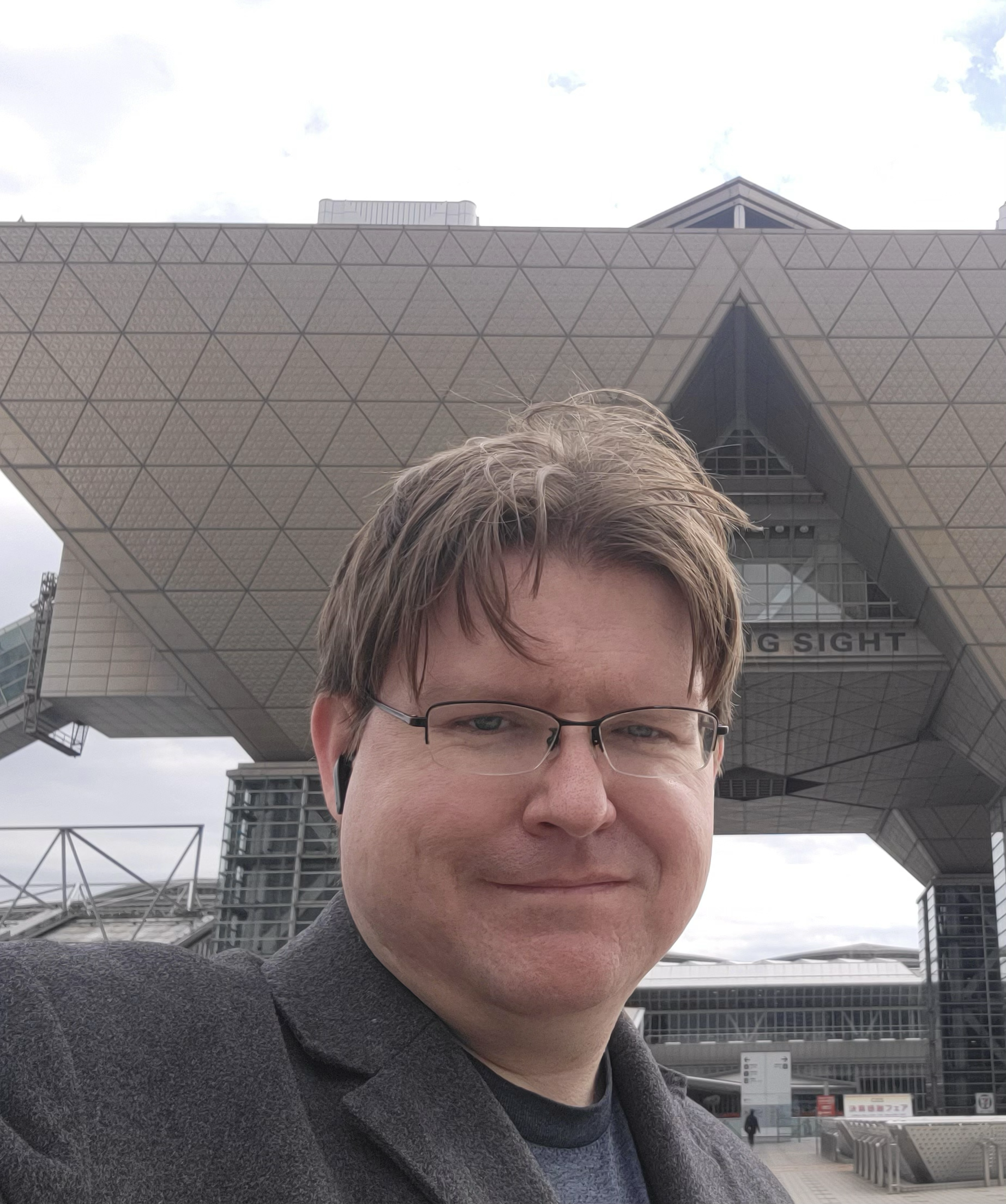
What do you do in Japan? Can you talk about your job in Japan?
I’m recently became a licensed teacher in Hokkaido, Japan. Before that I was a JET ALT for 4 years and was the prefectural advisor to the 5th largest city (Sapporo) for my last year as a JET.
What do you find different about living in Japan over the term compared when you first arrived or come as a tourist?
So some really important advice if you come here to actually live is to know how to seek out help. Especially your prefecture’s foreign resident support center (gaikokujin soudan sentaa 外国人相談センター). Also, local foreign groups (often on facebook), volunteer medical interpreters. and Hello Work (JP’s unemployment office). I had to connect people with mental health services like TELL, which is free, and International Mental Health Professional Japan (IMHPJ), which has English-speaking credentialed therapists specializing in helping foreigners living in Japan, as well as various specialties.
Too many just turn to Reddit first when there’s probably something much more useful nearby. So find a community, lurk and search. Save, pin, and bookmark anything that is or could be useful.
What do you appreciate most about Japanese culture?
There’s usually a sense of thoughtfulness that I never really saw growing up. While sometimes it can be overdone, like bowing over the telephone, generally erring on the side of politeness tends to pay out in personal and professional relationships.

Which places in Japan do you recommend that foreigners see?
Most people on a budget are just going to hit the highlights. If you want something not on the face of a brochure, I’ll choose 3 places.
First, Matsuo Taisha shrine in Kyoto. For me, it’s the most serene place I’ve ever visited. My host family took me there, so it’s deeply sentimental for me.
Second, Awaji Island. The entire area is nice, and the various Nijigen no Mori theme parks are there too like the Godzilla museum, Naruto, Crayon Shin-chan, and Dragon Quest. It’s great for families.
What parts of Japanese culture do you recommend that foreign people try to experience?
For me, the benefit of Japanese culture is more general. There are rude people and litter, but in general, it’s a more polite, clean, and functioning society than compared to the places I lived in the US. Also bathouses.
Are there any aspects of the Japanese culture or its people that you find bizarre or unique?
One thing I heard was that technology and PC knowledge is low and even stigmatized (at least in my industry) because its not a group activity.
Japanese self-introductions have vague sterotypes with the goal of being overly broad (sushi and Disney) to get along. I was raised to be as specific as possible (Rutt’s Hutt hotdogs in Clifton NJ and the market outlook for Xbox Gamepass) with the goal of being remembered.
What are your favorite Japanese foods?
Hiroshima okonomiyaki is my favorite. It’s a bigger version of okonomiyaki that also adds fried yakisoba noodles to the dish.
The best local specialty in Sapporo is Genghis Khan (written locally as Jingisukan). It’s BBQ lamb and vegetables.
Were you hesitant to relocate to Japan?
No, for me it was a decision I’d made a long time ago, and I made the move in the summer of 2018. Time has proven that it was the right decision.

After moving to Japan did you have any funny experiences?
In my study abroad days, my host family asked me what was my favorite food. I said tacos because I’ve been eating Taco Bell since I was like 3 years old. I came home one day to a takoyaki party and had to eat octopus balls and a chocolate shake.
Would you like to continue to live in Japan for the rest of your life, or you think you will return to your home country? If so why?
As an American, my pay is peanuts (under 30k USD a year due to currency issues). But I like where I’m at. And most importantly, it’s stable. So I’m staying for the foreseeable future, but anything can happen.

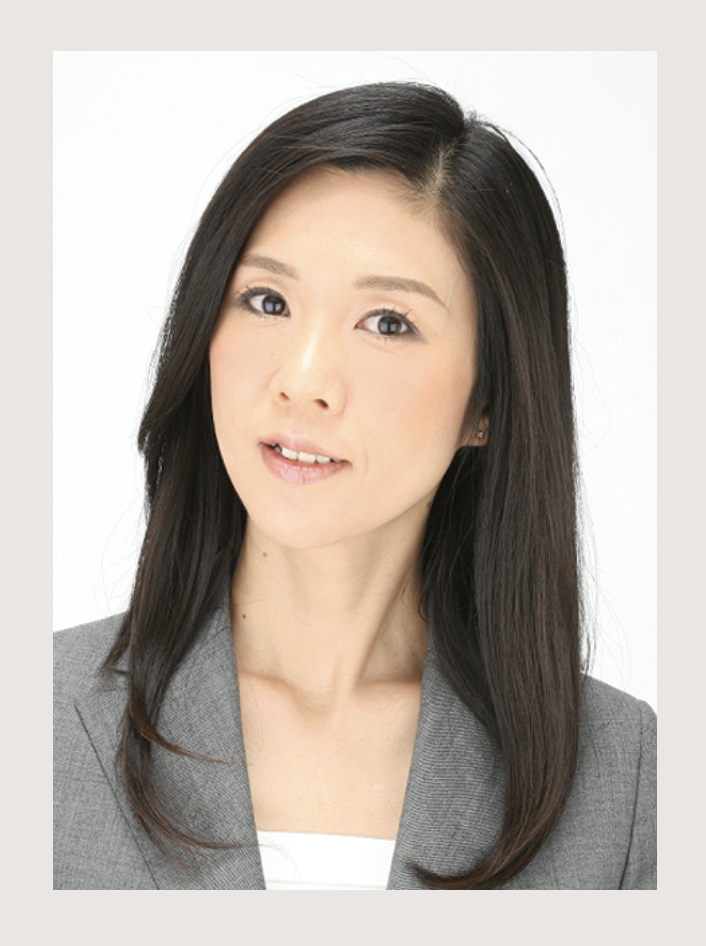
Writer: Minobu Kondo
Photojournalist in Tokyo, writing for Japanese and American magazines. Publishing an essay “101 of green stories” with the other Japanese artists such as Kosetsu Minami. Languages: Japanese, English and French.
V
Share This Article
Related Articles
Pick Up
- I LIVE IN JAPAN / Gaelle Chatenet / Well-Being Coach
- I LIVE IN JAPAN / Karine Jamet / Tea Ceremony Guide
- I LIVE IN JAPAN / Nicoleta Oprisan / Ikebana artist ...
- I LIVE IN JAPAN / TIAN JING / Director
- I LIVE IN JAPAN / Samia Jamai / Diversity & Incl...
-

- I LIVE IN JAPAN / Stephanie C / Content Creator &...
- I LIVE IN JAPAN / Charles MULLER / Engineer and Game...
- I LIVE IN JAPAN / Tami Mason / Assistant Language Te...
- I LIVE IN JAPAN / Sabrina / Tour Guide & YouTuber
- I LIVE IN JAPAN / AL-X (Alex) / Pole dancer/translat...
- See more Interview articles >





Latest Articles
- Free Medicare Seminars, Learn the Besics and Review...
- Den’s Tea ...
- Capture Special Memories at Kimono no Kobeya ...
- Recommended for Those on a Diet! Healthy Noodles
- Savor Seasonal Specials at TAKAGI COFFEE!
-

- Daikokuya El Monte Celebrates 10th Anniversary! ...
- Check Out JINS 360°! New Store Now Open!
- Pho-Inspired Asian Spicy Ramen Returns for a Limited...
- Discover JINS’ Revolutionary Multi-Directional Movem...
- Celebrate 10 Years!! Daikokuya El Monte Launches Ann...
- See all articles >