Share This Article



November 2025 (VOL.217)
Karine Jamet
- Home country/city: France / Marseille
- Occupation: Tea Ceremony Guide
- Duration of living in Japan: 2 years
- Why do you live in Japan?:By choice, I like the country.

What is your occupation in Japan? Can you talk about your job?
I am the founder of Tranquilitea Tokyo, a company that offers authentic Japanese tea ceremony experiences for French speakers. My goal is to make the tea ceremony more accessible and understandable, especially for those who may not be familiar with its traditions. In my sessions, I welcome small groups (usually 2 to 4 people) in a private and peaceful setting, where I demonstrate the tea ceremony while explaining its history, philosophy, and cultural significance. I also take the time to answer questions so that guests can fully appreciate the depth of this tradition. Beyond hosting experiences, I also create content about the tea ceremony, sharing its stories and meaning through social media. I believe that the spirit of tea can help people find calm and balance in their daily lives.

What is the distinctive difference between France and Japanese life?
One of the most distinctive differences between life in France—especially in Marseille—and Japan is the way people communicate. In France, people are very direct; we openly discuss difficult topics, debate, and express our opinions, even if they might be controversial. In contrast, Japanese communication tends to be much more reserved, with a strong emphasis on avoiding conflict and maintaining harmony. Another big difference is personality and social behavior. In France, many people are quite extroverted, whereas in Japan, people are generally more reserved and prefer not to stand out too much.
What parts of Japanese culture do you recommend that foreign people try to experience?
I definitely recommend experiencing the tea ceremony. It is a beautiful summary of traditional Japanese culture, bringing together many different art forms—calligraphy, architecture, incense appreciation, tea, and poetry. Through the tea ceremony, you can truly feel the essence of Japanese aesthetics, mindfulness, and hospitality. It’s not just about drinking tea; it’s about appreciating the moment, the details, and the philosophy behind it. For anyone interested in traditional Japan, it’s an experience that shouldn’t be missed.

Are there any aspects of the Japanese culture or its people that you find bizarre or unique?
One aspect of Japanese culture that I find both unique and surprising is the deep love for kawaii (cuteness). The attention to adorable characters, mascots, and even the way people express themselves with a cute aesthetic is something quite different from what I was used to.
What are your favorite Japanese foods?
I love okonomiyaki, soba, and oyakodon, but as a vegetarian, it can be quite challenging to find suitable versions of these dishes. That’s why I really appreciate tofu and vegetarian alternatives to traditional Japanese meals. I’m also a big fan of shōjin ryōri, the vegetarian Buddhist cuisine. It’s not only delicious but also deeply connected to mindfulness and simplicity, which resonates with me. The way flavors are balanced without using meat or fish is truly impressive.
Were you hesitant to relocate to Japan?
Yes, I was quite hesitant about relocating to Japan. One of my main concerns was the Japanese work culture, which has a very particular rhythm and expectations. I was also worried about losing contact with my friends, especially since we had just bought an apartment before making the decision to move. Another major challenge was bringing our cat with us—it was a complicated process with many regulations. And, of course, I was concerned about my son, who was 8 years old at the time and didn’t speak Japanese. Finding the right approach for his education in a completely new environment was something I had to think about carefully.

Would you like to continue to live in Japan for the rest of your life?
I would love to stay in Japan for as long as possible. I have found an environment that truly suits me, built friendships, and established daily routines that I enjoy. Most importantly, I have created my profession as a tea ceremony guide here, which is something deeply meaningful to me. I am currently looking to buy a house so that I can settle down more permanently. Japan has become my home, and I hope to continue building my life here.

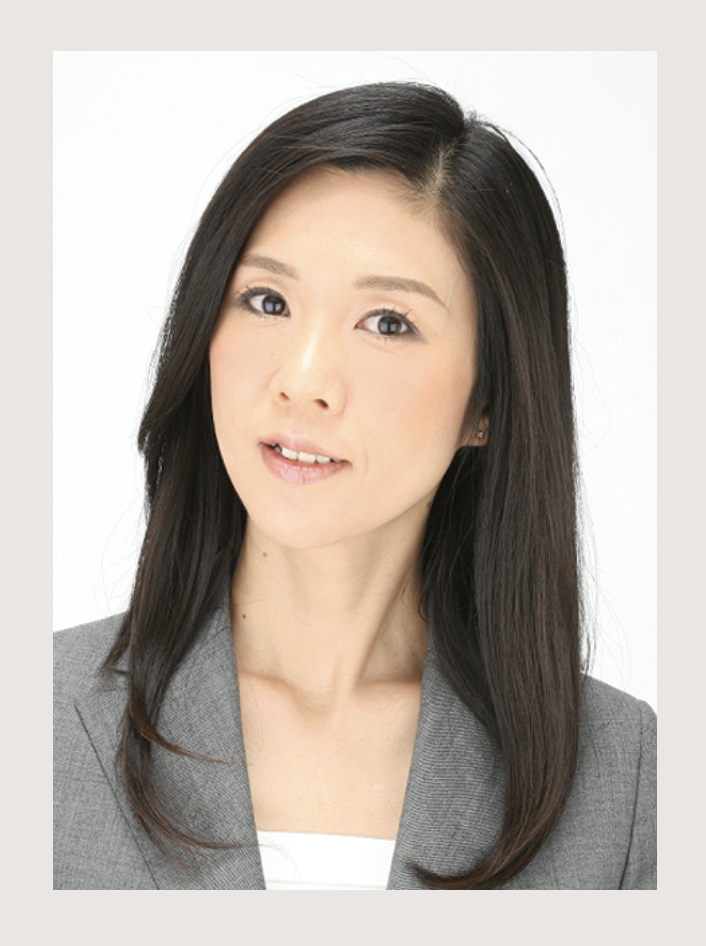
Writer: Minobu Kondo
Photojournalist in Tokyo, writing for Japanese and American magazines. Publishing an essay “101 of green stories” with the other Japanese artists such as Kosetsu Minami. Languages: Japanese, English and French.
V
Share This Article
Related Articles
Pick Up
- I LIVE IN JAPAN / Stephanie C / Content Creator &...
- I LIVE IN JAPAN / Nicoleta Oprisan / Ikebana artist ...
- I LIVE IN JAPAN / TIAN JING / Director
- I LIVE IN JAPAN / AL-X (Alex) / Pole dancer/translat...
- I LIVE IN JAPAN / Tami Mason / Assistant Language Te...
-

- I LIVE IN JAPAN / Sabrina / Tour Guide & YouTuber
- I LIVE IN JAPAN / Samia Jamai / Diversity & Incl...
- I LIVE IN JAPAN / Charles MULLER / Engineer and Game...
- I LIVE IN JAPAN / Bernard McEntee / Teacher
- I LIVE IN JAPAN / Gaelle Chatenet / Well-Being Coach
- See more Interview articles >







Latest Articles
- Free Medicare Seminars, Learn the Besics and Review...
- Den’s Tea ...
- Capture Special Memories at Kimono no Kobeya ...
- Recommended for Those on a Diet! Healthy Noodles
- Savor Seasonal Specials at TAKAGI COFFEE!
-

- Daikokuya El Monte Celebrates 10th Anniversary! ...
- Check Out JINS 360°! New Store Now Open!
- Pho-Inspired Asian Spicy Ramen Returns for a Limited...
- Discover JINS’ Revolutionary Multi-Directional Movem...
- Celebrate 10 Years!! Daikokuya El Monte Launches Ann...
- See all articles >