Share This Article



Last updated: November 10, 2025
December 2024 (VOL.206)
Nicoleta Oprisan
- Home country/city: Romania / Japan
- Occupation: Ikebana artist & Fragrance
- Duration of living in Japan: 25 years
- Why do you live in Japan?: Designer

What do you do in Japan? Can you talk about your job in Japan?
I am a professional ikebana artist and fragrance designer, based in Tokyo. I am the founder and director of the company 5 Senses. I usually divide my time between creating ikebana installations for live events and venues in Japan or abroad, as well as crafting and developing original fragrances, inspired by my ikebana artworks. My most recent fragrance captures this very essence of the fascinating world of flowers, as viewed from the ikebana artist’s perspective.
I also teach ikebana, both in person (in Tokyo) and online (for international audience).
What aspect of Japanese culture is interesting for you? Why are you interested in Ikebana?
For me, ikebana is a way of life. I started it as a hobby but over time it grew into a passion and then it became the very core of my business. As a linguist, I have always been fascinated by the way people communicate, verbally or non-verbally. When I discovered flowers, I realized that apart from their fascinating beauty, flowers are also the perfect medium to convey beautiful emotions to everyone, regardless of their language or culture. Being able to capture that beauty which can resonate so positively with the viewer is an extraordinary aspect of the captivating world of ikebana.

What is the distinctive difference between flower arrangement and ikebana?
Ikebana is an art form, inextricably linked to the culture of Japan. It is not only a flower arrangement to serve a visual purpose, but rather, a work of art that takes time and careful thought to conceive. In ikebana, flowers are shown at their most flattering angle and while they are the focal point, careful consideration is also given to the vase and the space in which the arrangement will be placed.
In Western style arrangements, flowers are used mainly for visual impact. They need to look good from all angles (for example in bouquets) so the way they are created is different.
Ikebana also encompasses the idea of the journey through flowers, of self-discovery. This is what distinguishes it from the traditional flower arranging, as it allows us to continually develop and refine our craft.


What do you find different about living in Japan now, compared to when you first arrived?
Japan has been my home for more than 25 years and while I think a lot has changed here during this time, I also believe that Japan has changed me and transformed my own perspective.
What do you appreciate most about Japanese culture?
The respect towards each other, towards nature, towards beauty and the appreciation of craft and attention to detail. A lot of skills and crafts are developed through years and years of practice and yet, the most skilled artisans will humbly say they still have a lot to learn.
Which places in Japan do you recommend that foreigners see?
Japan has such a culturally rich offer; there is something for everyone to see or experience. It is also fascinating how modern and traditional are juxtaposed and discoverable at the same time. Probably the best way to understand this is from a high vantage point (like an observatory, for example). On one hand, one can go to popular, tourist spots and enjoy the hustle and bustle, the noise, and the lights of the big city, but can also chill in a beautiful Japanese garden and enjoy the peaceful, Zen-like atmosphere. The whole country is beautiful, the food is fantastic, and people are friendly and welcoming, I guess there is something for everyone to explore.
What parts of Japanese culture do you recommend that foreign people try to experience?
The obvious answer would be ikebana or pottery, but aside from that, very meaningful experiences could include getting to be part of various annual festivals around Japan, discovering local artisans and their art, sampling Japanese food, or exploring the cultural scene by wearing a traditional kimono and going to watch Noh or Kabuki performances.
Would you like to continue to live in Japan for the rest of your life, or you think you will return to your home country?
Japan is my home. This is where I discovered my passion and built my life. This is where my heart belongs.
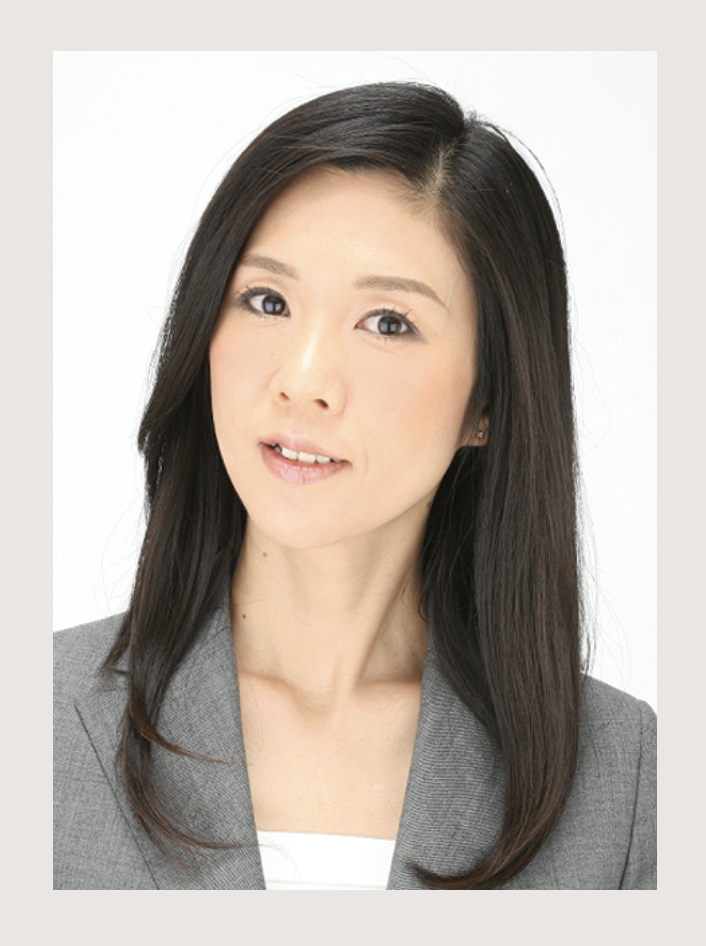
Writer: Minobu Kondo
Photojournalist in Tokyo, writing for Japanese and American magazines. Publishing an essay “101 of green stories” with the other Japanese artists such as Kosetsu Minami. Languages: Japanese, English and French.
V
Share This Article
Related Articles
Pick Up
- I LIVE IN JAPAN / Stephanie C / Content Creator &...
- I LIVE IN JAPAN / Bernard McEntee / Teacher
- I LIVE IN JAPAN / Samia Jamai / Diversity & Incl...
- I LIVE IN JAPAN / Charles MULLER / Engineer and Game...
- I LIVE IN JAPAN / Karine Jamet / Tea Ceremony Guide
-

- I LIVE IN JAPAN / AL-X (Alex) / Pole dancer/translat...
- I LIVE IN JAPAN / Tami Mason / Assistant Language Te...
- I LIVE IN JAPAN / Gaelle Chatenet / Well-Being Coach
- I LIVE IN JAPAN / TIAN JING / Director
- I LIVE IN JAPAN / Sabrina / Tour Guide & YouTuber
- See more Interview articles >







Latest Articles
- Struggling with Infertility? Attend a Free Seminar b...
- Fall Grand Karaoke Festival in Torrance Enjoy Nosta...
- Looking for a Car? Visit South Bay Toyoya! Reliable...
- WA Dining Suya Enjoy the Flavors of Fall with Limit...
- Free Medicare Seminars, Learn the Besics and Review...
-

- Den’s Tea ...
- Capture Special Memories at Kimono no Kobeya ...
- Recommended for Those on a Diet! Healthy Noodles
- Savor Seasonal Specials at TAKAGI COFFEE!
- Daikokuya El Monte Celebrates 10th Anniversary! ...
- See all articles >