Share This Article



Last updated: December 2, 2025
August 2025 (VOL.214)
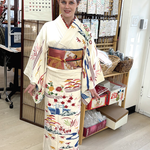
Samia Jamai
- Home country/city: Morocco / Casablanca
- Occupation: Diversity & Inclusion Consultant
- Duration of living in Japan: 3 years
- Why do you live in Japan?: Professional growth and cultural curiosity

What is your occupation in Japan? Can you talk about your job?
I’m a diversity and inclusion consultant, dedicated to helping organizations drive transformational change on their Diversity, Equity, and Inclusion journey. I design and facilitate workshops and learning experiences that enable people and organizations to connect their culture to their deeper values and mission. One of my recent offerings in Japan is the Kintsugi Women in Gold workshop—a space inspired by the art of Kintsugi, where women can reflect on their resilience, identity, and leadership, and celebrate the beauty found in imperfection.
Can you talk about your activities in Japan?
In Japan, I am hosting workshops, speaking at international organizations, and collaborating with local and global communities.
I also host SAWA Talks, a podcast that brings together inspiring stories from women who share how they find beauty and strength in overcoming transnational challenges through the lens of Japanese wisdom.
What is the distinctive difference between your country and Japanese life?
Silence and subtle gestures often speak louder than words, which is quite different from my home culture, where we’re generally more expressive and spontaneous.
Which places in Japan do you recommend that foreigners see?
With the World Expo currently taking place in Osaka, I recommend visiting this dynamic city! Universal Studios is a major draw, but Osaka has so much more to offer. I especially love wandering through the vibrant streets of Dotonbori—famous for their lively atmosphere and playful, colorful facades.
In Tokyo, I find it magical how you can step from the fast-paced world of Harajuku and Shibuya into the peaceful sanctuary of Meiji Jingu Gyoen. This forest garden offers a serene escape where you can enjoy a quiet walk and reconnect with nature.

Are there any aspects of the Japanese culture or its people that you find bizarre or unique?
One thing that always amazes me about Japan is the precision and care that goes into customer service. When you go shopping, it’s best not to be in a hurry. From helping you choose the right item to carefully wrapping your purchase, the process is never rushed. You leave with a beautifully packaged product and a sense of genuine care, but it does require a little patience – you don’t always have.
Were you hesitant to relocate to Japan?
Yes, I was hesitant about moving to Japan— mainly because of the earthquakes. In the beginning, every little tremor would set my heart racing, and I’d find myself anxiously checking the news or messaging friends to make sure everything was okay. But over the time, living in Japan has gently taught me to accept uncertainty as a natural part of life. There’s a quiet strength in the way people here carry on, calmly and mindfully, even when the earth is shaking. I’ve even developed a kind of sixth sense for tremors, and now feel more connected to this land and its rhythms. I’ve learned to trust the process, knowing that so much here is carefully and thoughtfully designed to keep us safe.

What are your reflections as you prepare to leave Japan?
Our plan was to stay in Japan for three years, and now, as those final weeks approach, we’re preparing to move back to Dubai. It’s a bittersweet moment. During my time here, I’ve developed projects deeply rooted in Japanese culture—whether it’s the concepts I explore on my podcast, the Kintsugi-inspired workshops, or the associations I am involved with. I’ve made it a priority to stay connected with this country that has taught me so much.
There is truly a “before Japan” and “after Japan” version of myself. Living here has been a transformative experience—one that has grounded me, changed my perspective, and enriched my life in ways I never expected. While I may not be staying forever, Japan will always be a part of who I am. I’m excited to share everything I’ve learned here through my work, weaving these insights and values into the projects and communities I’ll be part of in the future. I know I’ll carry these lessons and connections with me wherever I go, and I hope to inspire others with the wisdom Japan has given me.

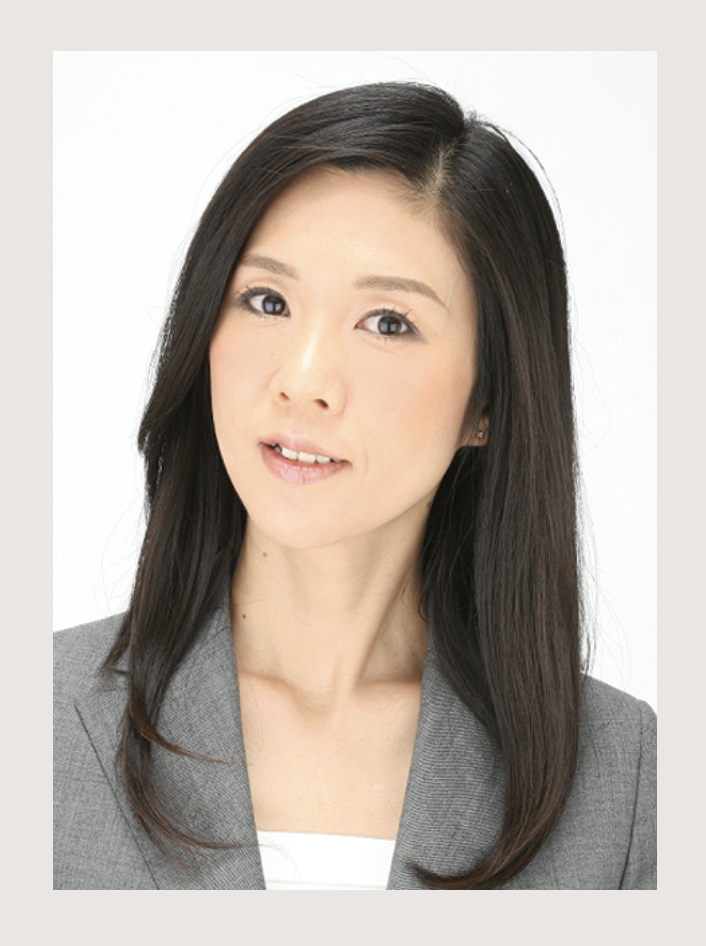
Writer: Minobu Kondo
Photojournalist in Tokyo, writing for Japanese and American magazines. Publishing an essay “101 of green stories” with the other Japanese artists such as Kosetsu Minami. Languages: Japanese, English and French.
V
Share This Article
Related Articles
Pick Up
- I LIVE IN JAPAN / Nicoleta Oprisan / Ikebana artist ...
- I LIVE IN JAPAN / Charles MULLER / Engineer and Game...
- I LIVE IN JAPAN / Stephanie C / Content Creator &...
- I LIVE IN JAPAN / Karine Jamet / Tea Ceremony Guide
- I LIVE IN JAPAN / TIAN JING / Director
-

- I LIVE IN JAPAN / Gaelle Chatenet / Well-Being Coach
- I LIVE IN JAPAN / Tami Mason / Assistant Language Te...
- I LIVE IN JAPAN / Bernard McEntee / Teacher
- I LIVE IN JAPAN / Sabrina / Tour Guide & YouTuber
- I LIVE IN JAPAN / AL-X (Alex) / Pole dancer/translat...
- See more Interview articles >






Latest Articles
- Struggling with Infertility? Attend a Free Seminar b...
- Fall Grand Karaoke Festival in Torrance Enjoy Nosta...
- Looking for a Car? Visit South Bay Toyoya! Reliable...
- WA Dining Suya Enjoy the Flavors of Fall with Limit...
- Free Medicare Seminars, Learn the Besics and Review...
-

- Den’s Tea ...
- Capture Special Memories at Kimono no Kobeya ...
- Recommended for Those on a Diet! Healthy Noodles
- Savor Seasonal Specials at TAKAGI COFFEE!
- Daikokuya El Monte Celebrates 10th Anniversary! ...
- See all articles >