Share This Article



Last updated: November 11, 2025
March 2025 (VOL.209)
TIAN JING
- Home country/city: China / Shanghai
- Occupation: Director
- Duration of living in Japan: 13 years
- Why do you live in Japan?: Japan’s high living standards and convenient public facilities help me keep a balanced life, and I’ve made many friends from around the world.

Why do you choose to live in Japan for such a long time?
After finishing my studies in Japan, I considered returning to China for work. However, I wanted to take on the challenge of working abroad. After much effort, I got the chance to work in Japan.
I believe working abroad is an important part of living overseas. The work culture is very different from school culture, and it helps you better understand and integrate into the local society.
Additionally, changing jobs has enriched my life, and I’ve worked in three different environments. This has deepened my understanding of Japanese corporate culture.
What do you do in Japan? Can you talk about your job in Japan?
I have 7 years of experience in advertising in Japan. Now, as a director at a web marketing company, I focus on web and digital marketing for Southeast Asia’s inbound tourism sector, especially after COVID-19 recovery.
What do you miss about your maternal country living in Japan?
Of course, I miss Chinese food. Being a foodie with a “Chinese stomach,” I’m very particular about food. While Japanese cuisine is unique, people living abroad often long for the tastes of their homeland. There are more and more Chinese restaurants now, but the prices are very high.
What do you appreciate most about Japanese culture?
I’d like to use two words to answer this question:
First word: 匠心 (Craftsmanship)
The Japanese pursuit of perfection, or takumi no kokoro, is deeply embedded in the culture, seen in various industries and public services. This attention to detail impresses many foreigners.
Second word: 侘寂 (Wabi-Sabi)
Wabi-sabi is the philosophy of embracing imperfection and impermanence, which is central to Japanese design and architecture. Living in Japan, I’ve gained a deeper appreciation for the connection between design and nature.

Which places in Japan do you recommend that foreigners see?
Kanazawa, known as “Little Kyoto,” is a city where tradition meets modernity. It features cultural heritage sites like Kenrokuen Garden and Kanazawa Castle, as well as beautiful natural scenery. You can enjoy gold leaf ice cream and gold leaf face masks.
If you’re interested in Zen culture, the Suzuki Daisetz Memorial is highly recommended. Located in a serene natural setting, it offers insights into Zen philosophy and its influence on Japanese culture. It is said that Steve Jobs was inspired by Suzuki Daisetz’s ideas.

Are there any aspects of the Japanese culture or its people that you find bizarre or unique?
Expressions like “言い回し” (wording) and “空気を読む” (reading the air) can be challenging for foreigners. Japanese people often speak indirectly to consider others’ feelings, which can make it hard to understand their true meaning. For example, when refusing cooperation, they may avoid saying “no” directly, using phrases like “we are still considering” or simply not responding. These indirect refusals can confuse foreigners, who might expect direct answers. Additionally, knowing the right thing to say at the right time can be difficult for foreigners to grasp.
What are your favorite Japanese foods?
I choose tempura. This dish tests the chef’s skill. Tempura uses a variety of ingredients, from seafood to vegetables, each bringing out different flavors. Depending on the season, you can also enjoy different types of tempura. The crispy batter perfectly complements the natural taste of the ingredients, creating a layered experience with every bite.
Would you like to continue to live in Japan for the rest of your life, or you think you will return to your home country? If so why?
Although I have permanent residency in Japan, I’m considering splitting my time between China and Japan in the future, perhaps six months in each. I’m proud of China’s growth and the modern lifestyles there, which Japan lacks. At the same time, I’ve become accustomed to Japan’s pace of life and would like to continue living this way.

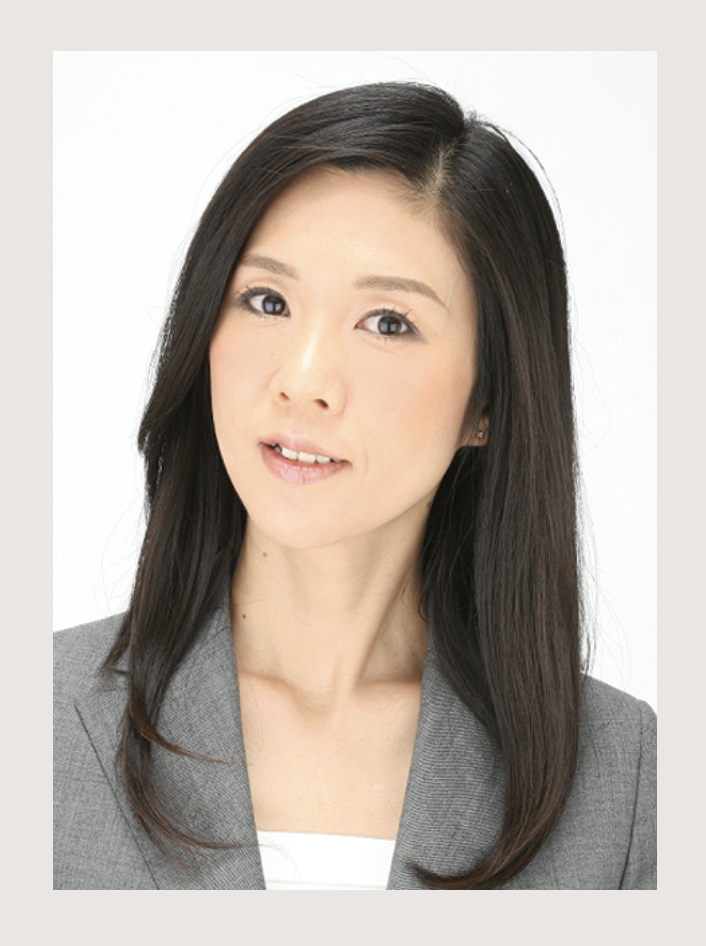
Writer: Minobu Kondo
Photojournalist in Tokyo, writing for Japanese and American magazines. Publishing an essay “101 of green stories” with the other Japanese artists such as Kosetsu Minami. Languages: Japanese, English and French.
V
Share This Article
Related Articles
Pick Up
- I LIVE IN JAPAN / Charles MULLER / Engineer and Game...
- I LIVE IN JAPAN / Gaelle Chatenet / Well-Being Coach
- I LIVE IN JAPAN / Karine Jamet / Tea Ceremony Guide
- I LIVE IN JAPAN / Bernard McEntee / Teacher
- I LIVE IN JAPAN / Samia Jamai / Diversity & Incl...
-

- I LIVE IN JAPAN / AL-X (Alex) / Pole dancer/translat...
- I LIVE IN JAPAN / Sabrina / Tour Guide & YouTuber
- I LIVE IN JAPAN / Tami Mason / Assistant Language Te...
- I LIVE IN JAPAN / Nicoleta Oprisan / Ikebana artist ...
- I LIVE IN JAPAN / Stephanie C / Content Creator &...
- See more Interview articles >








Latest Articles
- Free Medicare Seminars, Learn the Besics and Review...
- Den’s Tea ...
- Capture Special Memories at Kimono no Kobeya ...
- Recommended for Those on a Diet! Healthy Noodles
- Savor Seasonal Specials at TAKAGI COFFEE!
-

- Daikokuya El Monte Celebrates 10th Anniversary! ...
- Check Out JINS 360°! New Store Now Open!
- Pho-Inspired Asian Spicy Ramen Returns for a Limited...
- Discover JINS’ Revolutionary Multi-Directional Movem...
- Celebrate 10 Years!! Daikokuya El Monte Launches Ann...
- See all articles >