The Plot TwistWhile Japan currently enjoys the peace of not changing its clocks, there is a surprising historical plot twist: Japan actually did have Daylight Saving Time… but it only lasted for exactly four years! The GHQ EraAfter World War II, Japan was occupied by the Allied Forces (GHQ), led by the US. In 1948, the GHQ introduced the “Summer Time Act” to Japan, hoping to save energy and align the country with Western daylight standards. The Workaholic TrapIIn the US, an extra hour of daylight means going home early to enjoy a BBQ or play baseball. But in Japan,…
View More Did You Know Japan Tried Daylight Saving Time? (The 4-Year Experiment)All Articles
Why Doesn’t Japan Change Its Clocks? (The “No Daylight Saving Time” Rule)
The Spring Forward StruggleIn the US, March means one thing: “Spring Forward.” Everyone loses an hour of sleep, clocks in cars show the wrong time for six months, and people feel jet-lagged for a week. It is a stressful tradition. But if you live in Japan, you are completely free from this! The Bliss of ConsistencyJapan does not observe Daylight Saving Time (DST) or “Summer Time.” The time in Tokyo in January is exactly the same as the time in Tokyo in July. For travelers and international businesses, this consistency is incredibly convenient. No Missed TrainsImagine if Japan had DST.…
View More Why Doesn’t Japan Change Its Clocks? (The “No Daylight Saving Time” Rule)Why Are Japanese Kids Crying in the Supermarket? (The “Shokugan” Trap)
The Grocery Aisle MeltdownIf you walk through a Japanese supermarket, you will eventually see a small child crying and begging their mother to buy something. But they aren’t begging for chocolate or cookies. They are begging for a highly detailed anime figure sold in the grocery aisle. The “Food Toy” LoopholeThis is called “Shokugan” (Food Toy). It is a clever Japanese marketing trick. Inside the box is a high-quality, expensive plastic toy… accompanied by one tiny, sad piece of gum or a single piece of candy. Why Include the Candy? Why do they include that one piece of cheap gum?…
View More Why Are Japanese Kids Crying in the Supermarket? (The “Shokugan” Trap)Why Are Japanese Businessmen Eating Standing Up? (The “Tachigui” Culture)
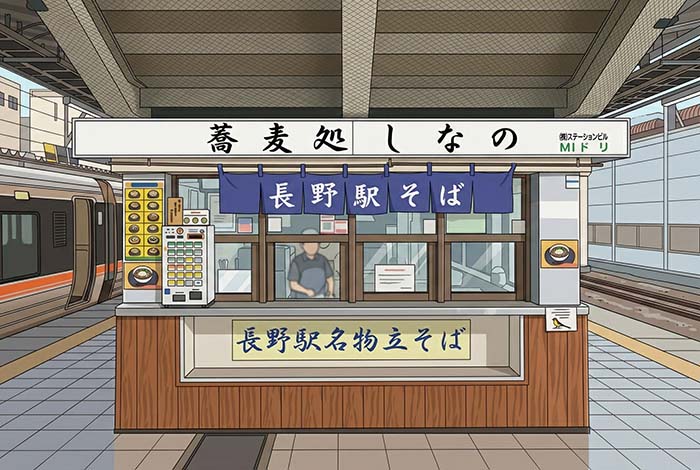
No Chairs Allowedn the US, if you are eating while standing up, you are probably at a crowded bar or a casual party. But in Japan, eating while standing is a highly efficient dining genre called “Tachigui” (Stand-up eating). You walk in, and there are absolutely no chairs. The Station OasisTachigui restaurants are almost always located right in front of, or even inside, busy train stations. They primarily serve classic Japanese fast food: Soba (buckwheat noodles), Udon, Curry rice, and sometimes even high-quality Sushi! The 15-Minute MealThe customer base is 90% middle-aged men in business suits. They don’t go there…
View More Why Are Japanese Businessmen Eating Standing Up? (The “Tachigui” Culture)JAPANESE SAMURAI /Iwakura Tomomi
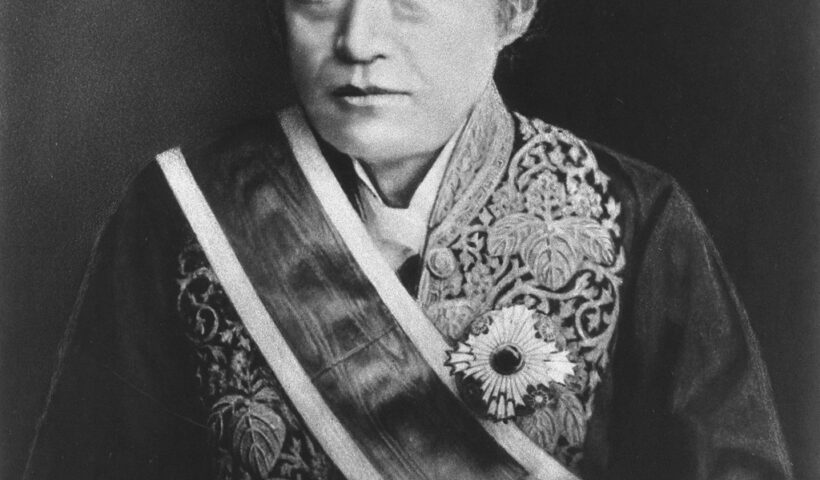
1825–1883 岩倉具視 Iwakura Tomomi The Diplomat Who Helped Build Modern Japan . The quiet architect of the Meiji Restoration In Japanese history textbooks, there is a famous photograph: dignified Japanese officials in Western suits standing before a grand European building. Taken during the Iwakura Mission of 1871–1873, this image symbolizes a turning point—Japan’s determination to learn from the world and transform itself. At the heart of this historic delegation was Iwakura Tomomi, a man of quiet strength who played a decisive but often understated role in guiding feudal Japan toward becoming a modern nation. Born in Kyoto in 1825 into…
View More JAPANESE SAMURAI /Iwakura TomomiJAPANESE SAMURAI /Sugawara no Michizane
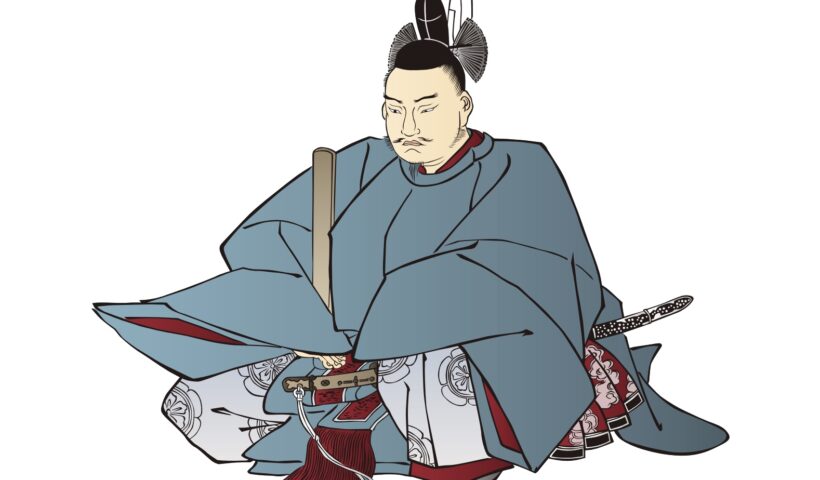
845–903 菅原道真 Sugawara no Michizane The Scholar, Poet, and God Who Inspired Generations . A Child Prodigy in the Heian Court From an early age, Sugawara no Michizane showed an extraordinary gift for learning. His teachers quickly recognized his ability as he mastered the Chinese classics, Confucian philosophy, and calligraphy with remarkable ease. Unlike many aristocrats who treated scholarship as cultural ornament, Michizane embraced study as the essence of life. His early poems already revealed a depth of thought that hinted at his enduring influence. His upbringing was rigorous. He spent long hours memorizing texts, but also debating their meaning…
View More JAPANESE SAMURAI /Sugawara no MichizaneJAPANESE SAMURAI /Tsutaya Jūzaburō
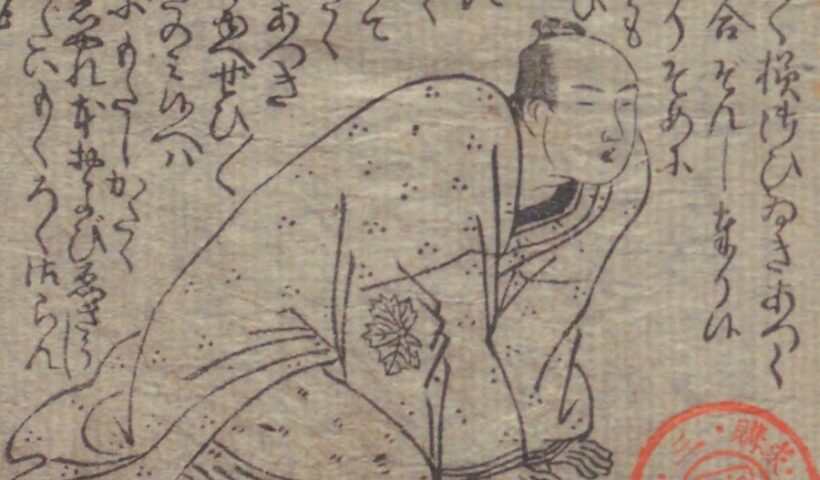
1750–1797 蔦屋重三郎 Tsutaya Jūzaburō The Edo Publisher Who Shaped the Golden Age of Ukiyo-e . A Talent Blossomed in Yoshiwara Tsutaya Jūzaburō was one of the most influential publishers of the mid-Edo period, a man whose vision helped define what is now remembered as the “golden age” of ukiyo-e woodblock prints. He was born in 1750 in the bustling Yoshiwara district of Edo (modern-day Tokyo). His birth name was Kitagawa Karimaru, and he lost his mother at a young age. He was later adopted by Kitagawa Tokubei, who ran the “Tsutaya” teahouse. Yoshiwara was unlike any other neighborhood in Edo.…
View More JAPANESE SAMURAI /Tsutaya JūzaburōJAPANESE SAMURAI /Tsunenaga Hasekura
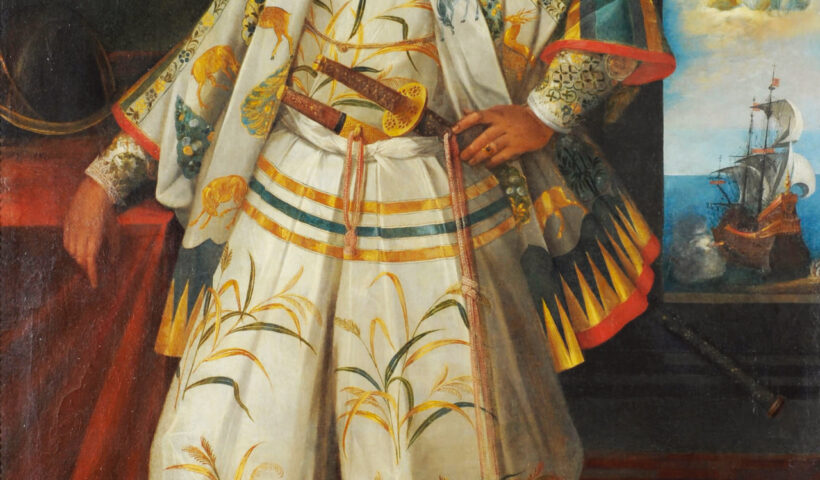
1571–1622 支倉常長 Tsunenaga Hasekura The Samurai Envoy Who Crossed Two Oceans and Became a Roman Nobleman . Early Life and a Turbulent Family Background Tsunenaga Hasekura was born in 1571 in the Okitama District of Ushū, modern-day Yamagata Prefecture in northern Japan. He came from the prestigious Kanmu Heishi lineage, tracing his ancestry back to Emperor Kanmu. His father, Tsunenari Yamaguchi, was a respected samurai retainer of the Sendai domain, serving under the powerful feudal lord Date Masamune. With a stipend of 600 koku, Tsunenari was able to support a substantial household and commanded troops as both a gunner and…
View More JAPANESE SAMURAI /Tsunenaga HasekuraJAPANESE SAMURAI /Ashikaga Takauji
1305–1358 足利尊氏 Ashikaga Takauji The general who toppled a shogunate and honored a rival . Early life as the second son Seven centuries ago, Japan’s political center stood in Kamakura, where the shogunate united the warriors who governed the land. In that world of competing samurai families, Ashikaga Takauji was born into the prestigious Ashikaga clan. His mother was not his father’s principal wife, and the young Takauji may not have been highly regarded within the household. His exact birthplace is uncertain, which adds to the sense that he began life slightly off the main stage. Fate turned in 1317,…
View More JAPANESE SAMURAI /Ashikaga TakaujiJAPANESE SAMURAI / John Manjirō
1827~1898 ジョン万次郎 John Manjirō The Castaway Who Bridged Japan and America Early Life in Tosa John Manjirō, born as Nakahama Manjirō in 1827, was the second son of a poor fisherman in Tosa Province, present-day Kōchi Prefecture. His childhood was marked by hardship. At the age of nine, he lost his father, leaving his family in poverty. His mother and elder brother were in poor health and unable to work regularly, so young Manjirō began to support his family by fishing. Though still a boy, he quickly gained a reputation for courage and resourcefulness at sea. Shipwreck and Life on…
View More JAPANESE SAMURAI / John ManjirōWhy Do Japanese Families Hide These Beautiful Dolls Immediately? (The “Hina Matsuri” Mystery)
The Red StepsAround March 3rd, visit a Japanese home with a daughter, and you will see a spectacular display. A 7-tiered red platform filled with elaborate dolls dressed in ancient court kimonos. This is “Hina Matsuri” (Girls’ Day). It is a day to pray for the health and happiness of young girls. Not Toys, But HeirloomsDon’t touch them! These are not Barbie dolls. A full set of Hina dolls can cost anywhere from $2,000 to over $10,000. They are often bought by grandparents or passed down from mother to daughter as family heirlooms. They represent the Emperor, Empress, and their…
View More Why Do Japanese Families Hide These Beautiful Dolls Immediately? (The “Hina Matsuri” Mystery)Quiz – March 2026
Solution of Sudoku of vol.221 (2026 March issue).
View More Quiz – March 2026