
Share This Article



Cities Built Above the Tracks
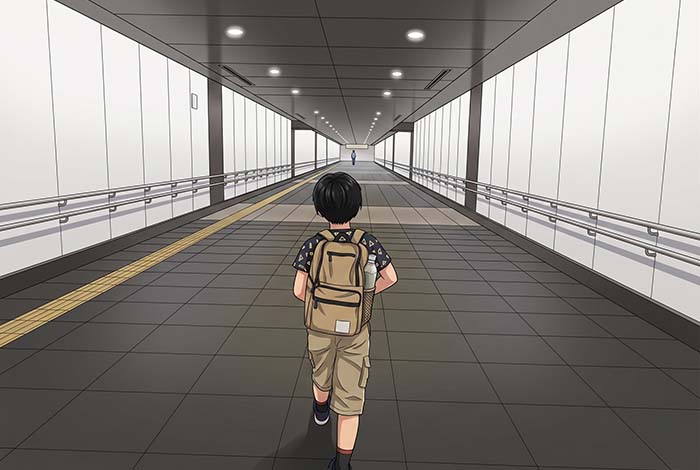
In the United States, a train station is usually just a utilitarian transit hub—a place you quickly pass through to get from point A to point B. But in Japan, major train stations are entirely different beasts. They are essentially massive, self-contained indoor cities. Built directly above and around the train tracks are towering “Eki-biru” (Station Buildings). These colossal structures house multi-level luxury department stores, hundreds of restaurants, high-end hotels, and movie theaters. You could literally spend an entire weekend shopping, eating, and sleeping without ever stepping foot outside the station premises. It is the ultimate expression of extreme urban convenience.
The Terror of the “Umeda Dungeon”
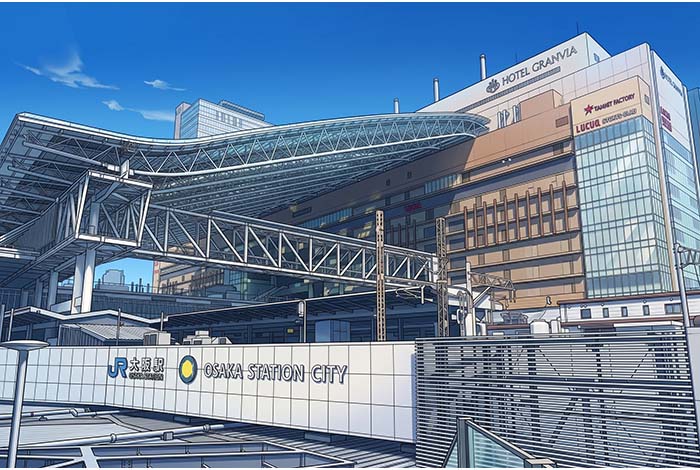
However, this incredible convenience comes with a terrifying side effect: the architectural layout is unimaginably complex. Because Japan relies on a hyper-dense network of competing private railway companies, multiple train lines intersect in the exact same location. The absolute king of this chaos is the infamous Osaka/Umeda Station area in West Japan. It is universally referred to by locals and tourists alike as the “Umeda Dungeon.” In this specific area, five different major railway companies converge, and the station consists of an endless, multi-layered, interconnected web of underground shopping malls that stretches for miles in every direction.
👉 Want to read more about Japanese demographics and society?
Read Next:Why Do Japanese Train Stations Sell Hundreds of Lunch Boxes? (The “Ekiben” Experience)
The Ultimate GPS Failure
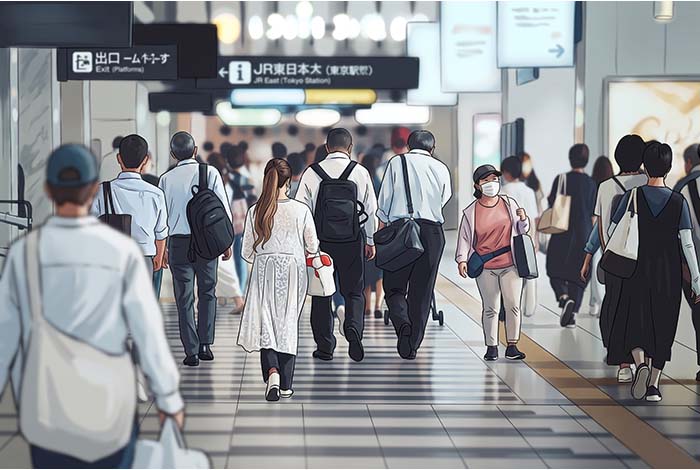
The Umeda Dungeon is so notoriously confusing that even lifelong Osaka residents admit they regularly get lost in its underground corridors. To make matters worse, because you are deep underground, the GPS on your smartphone becomes completely useless! You cannot simply look at Google Maps; you must rely on a confusing sea of color-coded ceiling signs pointing to seemingly identical subterranean plazas. But instead of getting frustrated, many travelers treat it as a rite of passage. Getting completely and hopelessly lost in the neon-lit, bustling labyrinth of a Japanese mega-station is just another thrilling adventure on your journey through this high-tech country!
▼ Read Next:
🔗The Overly Polite Train: Why Do Japanese Station Announcements Guide Your Every Step?
.
.
Share This Article
Related Articles
Pick Up
- Japan Now! 156 km/h. Bases Loaded. No Outs. Koshien&...
- Japan Now! It’s Rice Day in Japan, So Dragon Q...
- Japan Now! Japan Answered. The Monster Falls, and th...
- Japan Now! Doraemon Is Taking a Steam Train to Victo...
- Japan Now! The Spear Won. Chiben Wakayama Takes Kosh...
-

- Japan Now! She Said Yes. Olympic Champions Riku Miur...
- Japan Now! 7,000 Stranded at Narita as Record Rain S...
- Japan Now! Whole Torched Purin on a Crepe. Ise’...
- Pokemon Worlds Takes Over San Francisco, and We Got ...
- Japan Now! The Final Four Is Set. Ariake’s Mir...
- See more Fun Facts articles >










Latest Articles
- WA Dining Suya Enjoy the Flavors of Fall with Limit...
- Free Medicare Seminars, Learn the Besics and Review...
- Den’s Tea ...
- Capture Special Memories at Kimono no Kobeya ...
- Recommended for Those on a Diet! Healthy Noodles
-

- Savor Seasonal Specials at TAKAGI COFFEE!
- Daikokuya El Monte Celebrates 10th Anniversary! ...
- Check Out JINS 360°! New Store Now Open!
- Pho-Inspired Asian Spicy Ramen Returns for a Limited...
- Discover JINS’ Revolutionary Multi-Directional Movem...
- See all articles >