Share This Article



The Sea of Suits
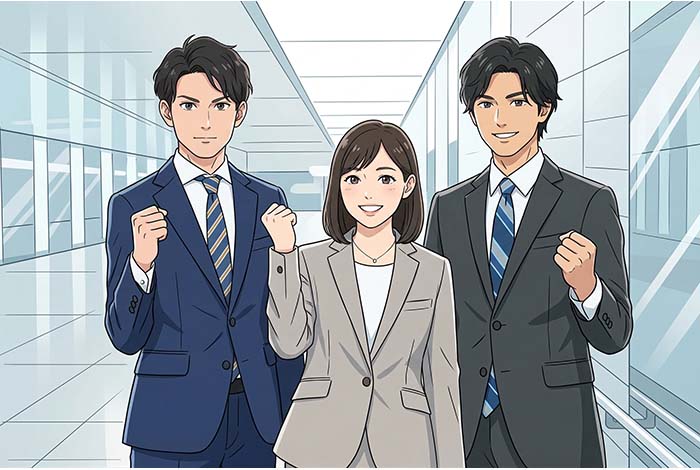
If you stand at a major Tokyo train station at 8:00 AM, you will witness a breathtaking sight: thousands of people wearing identical dark suits, carrying briefcases, and marching silently toward their offices. In Japan, these corporate warriors have a very specific name.

The “Wasei Eigo” Creation
Sponsored Link
They are called “Salarymen.” To an English speaker, this sounds like a comic book superhero whose superpower is earning a paycheck. But it is actually a classic example of “Wasei Eigo” (Japanese-made English)—words that sound English but were entirely invented in Japan. It simply means an office worker or corporate employee.
👉 Curious about more Japanese business culture?
Read Next: https://japanupmagazine.com/archives/18798
The 1920s Origin
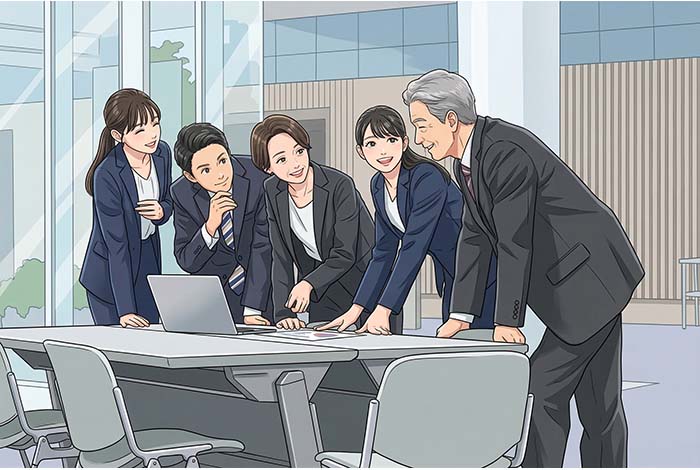
Where did this word come from? It was coined around the 1920s (the Taisho period). During this era of rapid modernization, working for a large corporation and receiving a stable, fixed monthly “salary” (as opposed to farming or daily wage labor) became a prestigious new lifestyle. They combined “Salary” and “Man” to describe this modern white-collar worker.
The Corporate Warrior
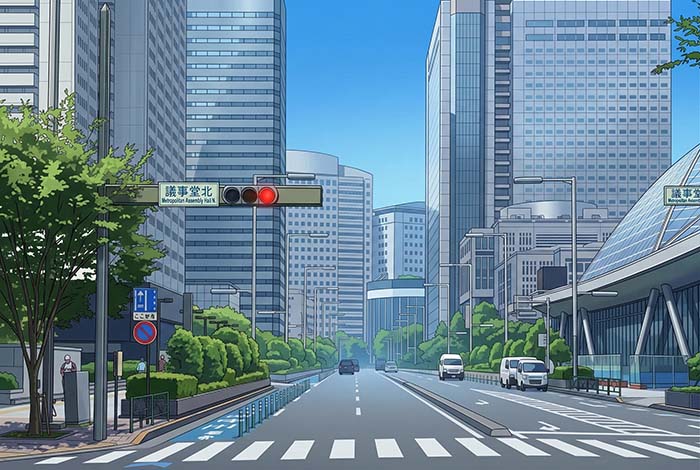
During the post-war economic boom in the Showa era, the image of the Salaryman evolved. They became known as fiercely loyal employees who dedicated their entire lives to a single company, working extreme overtime and going to mandatory drinking parties (Nomikai) with their bosses to help rebuild the nation’s economy.
The Modern Shift
Today, the culture is slowly changing. Young professionals in tech startups in Tokyo (and places like Silicon Beach in LA) are ditching the strict dark suits for casual wear and prioritizing work-life balance. Yet, the iconic word “Salaryman” remains deeply embedded in the Japanese cultural dictionary.
▼ Read Next:
.
.
Share This Article
Related Articles
Pick Up
- Why Does Japan Need 3 Different Alphabets? (The Ulti...
- Why Were Women Banned From Climbing Mount Fuji? R...
- Why Do Japanese People Eat a Fish That Can Kill Them...
- Why Was Japan the Most Literate Country in the 1800s...
- Why Did Japanese Women Paint Their Teeth Pitch Black...
- Did a Japanese Woman Write the World’s First N...
- The Mystery of the Square Watermelon: Is It Actually...
- The “Kawaii” Glow vs. The Glam Contour: ...
- The Empty Orchestra: Why Did the Inventor of Karaoke...
- Why Are the Deer in Japan Treated Like Royalty? (The...
- See more Fun Facts articles >








Latest Articles
- 👓 JINS 2026 Summer Collection: “Wearable Eyew...
- YUKI SAORI in LOS ANGELES ~From 1969 to the Future~ ...
- Why Are 6-Year-Olds Walking Alone in Japan? (The Ind...
- Why Are There No Sunsets in Japanese Bathhouses? (Th...
- The Hidden Engineering Inside Your Natto Pack (Why i...
- Why was the First-Ever TV Image a Japanese Character...
- No Limos, No Tuxedos: Why Doesn’t Japan Have a...
- Why Are There No “Juniors” in Japan? (Th...
- How Do Japanese People Live So Comfortably in Tiny H...
- Why Is It Polite to Eat Loudly in Japan? (The Secret...
- See all articles >