Share This Article



The Accidental Revolution of Daisuke Inoue
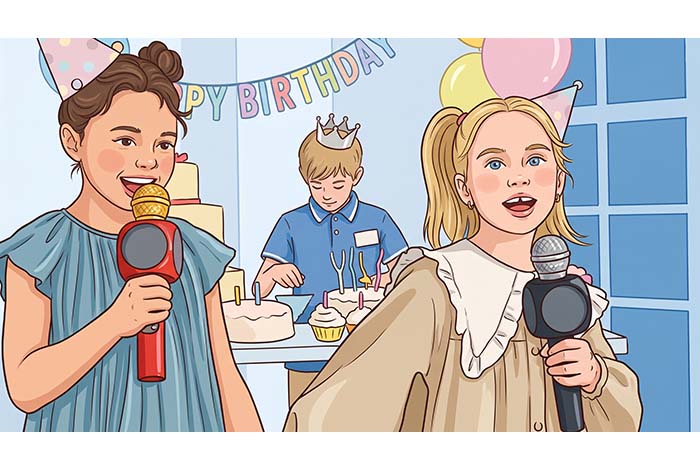
“Karaoke” is one of the few Japanese words that requires no translation anywhere in the world. But the story behind its invention is a bittersweet tale of missed fortune. In 1971, a Japanese musician named Daisuke Inoue was asked by a client to provide a recording of his backup band so the client could sing along at a business party. Inoue realized that people loved the feeling of being the “star” of their own performance. He built the first Karaoke machine (the 8-JUKE) using a car stereo and a coin box. Remarkably, Inoue never patented his invention. He believed that the joy of singing should belong to everyone, a decision that cost him billions of dollars in potential royalties but earned him an Ig Nobel Peace Prize for “providing an entirely new way for people to learn to tolerate each other.”
The Psychology of the “Karaoke Box”
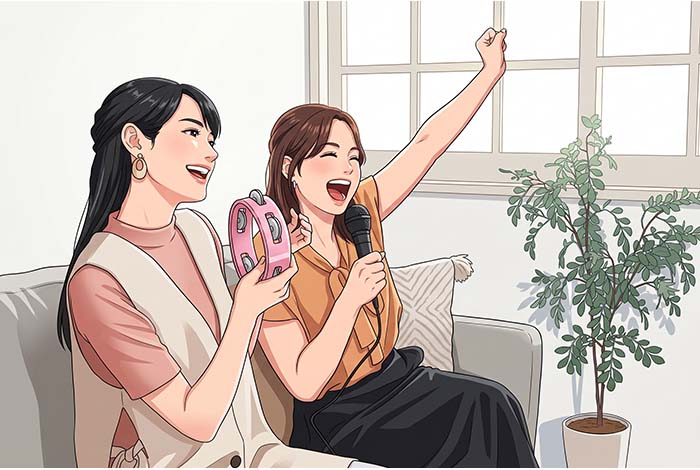
Why are Japanese people so uniquely obsessed with Karaoke? To an American, “Karaoke” usually means singing off-key on a stage in a crowded bar after several drinks. In Japan, however, the culture shifted toward the “Karaoke Box”—private, soundproof rooms where small groups of friends or coworkers can sing without the judgment of strangers. In a society that values “Honne” (true feelings) and “Tatemae” (public face), these private rooms act as a vital psychological release valve. Inside the box, the rigid social hierarchies of the office disappear. It is a sacred space where a shy junior employee can scream rock songs and a serious boss can sing sentimental ballads, allowing everyone to relieve stress and bond through the shared vulnerability of music.
👉 Want to read more about Japanese demographics and society?
Read Next: How Do Japanese People Survive Singing Until 5 AM? (The Magic of “Karaoke Ooru”)
The Modern Solo Revolution
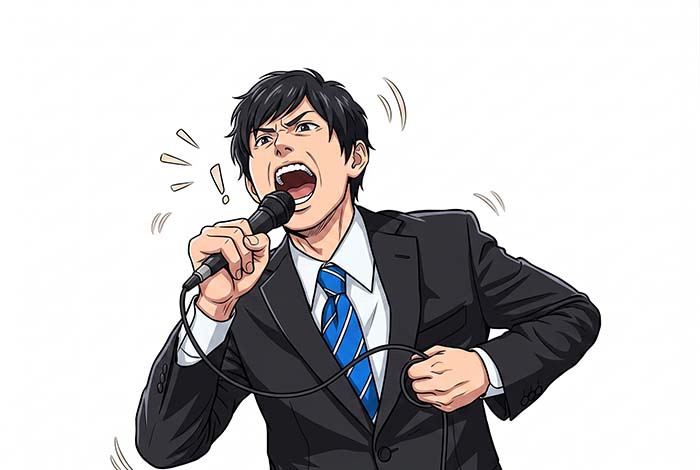
Today, Karaoke in Japan is evolving far beyond a social group activity. A massive new trend called “Hitokara” (Solo Karaoke) has taken the country by storm. Specialized venues now offer tiny, high-tech booths designed specifically for one person. It isn’t about loneliness; it is about the ultimate freedom of self-expression. People go to “Hitokara” to practice difficult songs, to shout away their frustrations after a long day at work, or simply to enjoy their own voice without having to wait for their turn in a group. From Daisuke Inoue’s simple car stereo to these high-tech solo sanctuaries, Karaoke remains the ultimate Japanese tool for emotional survival and joy.
▼ Read Next:
🔗 Why Is Everyone Dining Alone in Japan? (The Rise of “Solo-Katsu”)
.
.
Share This Article
Related Articles
Pick Up
- Japan Now! Whole Torched Purin on a Crepe. Ise’...
- Pokemon Worlds Takes Over San Francisco, and We Got ...
- Japan Now! The Final Four Is Set. Ariake’s Mir...
- Japan Now! It’s Rice Day in Japan, So Dragon Q...
- Japan Now! Japan Answered. The Monster Falls, and th...
-

- Japan Now! 156 km/h. Bases Loaded. No Outs. Koshien&...
- Japan Now! She Said Yes. Olympic Champions Riku Miur...
- Japan Now! 7,000 Stranded at Narita as Record Rain S...
- Japan Now! The Spear Won. Chiben Wakayama Takes Kosh...
- Japan Now! Doraemon Is Taking a Steam Train to Victo...
- See more Fun Facts articles >








Latest Articles
- Free Medicare Seminars, Learn the Besics and Review...
- Den’s Tea ...
- Capture Special Memories at Kimono no Kobeya ...
- Recommended for Those on a Diet! Healthy Noodles
- Savor Seasonal Specials at TAKAGI COFFEE!
-

- Daikokuya El Monte Celebrates 10th Anniversary! ...
- Check Out JINS 360°! New Store Now Open!
- Pho-Inspired Asian Spicy Ramen Returns for a Limited...
- Discover JINS’ Revolutionary Multi-Directional Movem...
- Celebrate 10 Years!! Daikokuya El Monte Launches Ann...
- See all articles >