Share This Article



The Elegant Melody of Kyo-kotoba
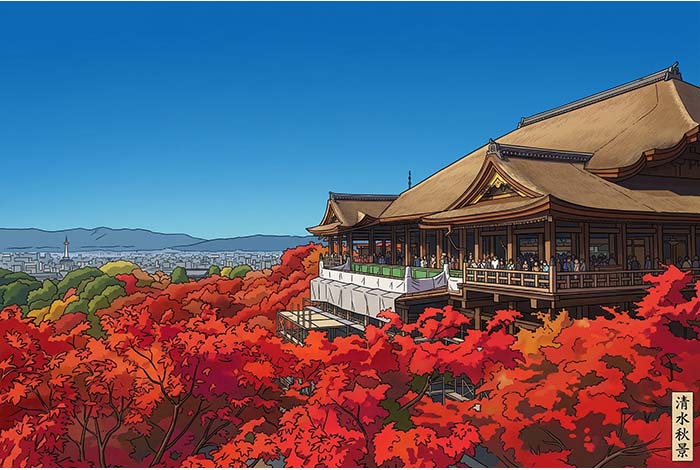
When you travel down from Tokyo to the ancient capital of Kyoto, the language suddenly shifts. The locals speak “Kyo-kotoba” (Kyoto dialect), which is famous for sounding incredibly soft, elegant, and exceptionally polite. To a foreign tourist, a Kyoto shopkeeper thanking you with a melodic “Ookini” (Thank you) sounds incredibly welcoming and deeply traditional. However, beneath this beautiful and gentle linguistic surface lies a highly complex, indirect communication style. The social rules in Kyoto are so incredibly nuanced that even native Japanese people from other cities find it terrifyingly difficult to navigate their true intentions!

Honne vs. Tatemae (The Bubuzuke Legend)
The secret to surviving Kyoto communication is understanding the extreme mastery of “Tatemae” (the polite social facade) versus “Honne” (true feelings). People in Kyoto are famous for expressing their frustrations or requests so indirectly that it sounds like a lovely compliment. The most legendary example is the “Bubuzuke” (tea poured over rice) offer. If you stay too long visiting a Kyoto local’s house, they might smile warmly and ask, “Would you like some Bubuzuke?” This is absolutely not an invitation to eat! It is a highly sophisticated, hidden code meaning, “You have overstayed your welcome; please go home now.”
👉 Want to read more about Japanese demographics and society?
Read Next: Why Do Japanese People Ask for My Blood Type?
The Ultimate Social Dance
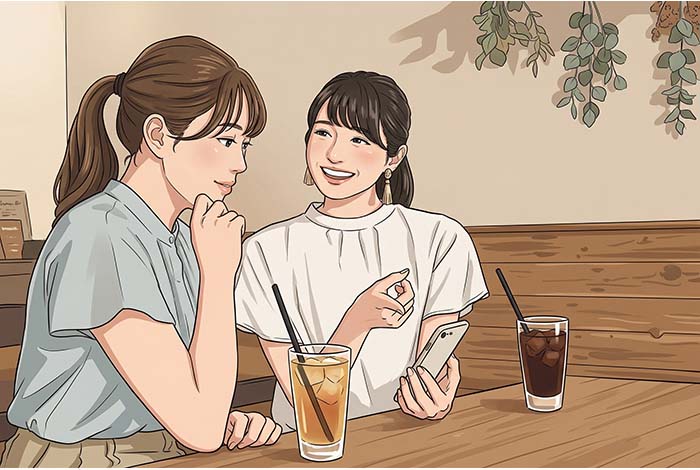
This level of indirectness might sound passive-aggressive to Americans who heavily value direct, upfront communication. But in Kyoto, it is considered the ultimate form of social grace and consideration. With a history spanning over a thousand years in a dense, politically complex city, avoiding direct conflict and maintaining perfect public harmony was essential for survival. By hiding the harsh truth behind a polite offer, nobody loses face, and arguments are completely avoided. So, if a Kyoto local praises your piano playing by saying, “You are practicing very enthusiastically,” be careful—they are probably politely asking you to keep the noise down!
▼ Read Next:
🔗 What Are “Kotowaza”? (The Hidden Wisdom in Japanese Conversations)
.
.
Share This Article
NEW MAGAZINE

Related Articles
Pick Up
- Japan Now! Why a Tiny Japanese Rubber Stamp Just Too...
- Japan Now! New Sword Art Online Movie “Integra...
- Japan Now! Why Did Male Artists Just Sweep ALL 10 of...
- Japan Now! Samurai Blue Stun Brazil with an Early Le...
- Japan Now! It’s Tanabata! Why All of Japan Is ...
-

- Japan Now! A “Once in a Decade” Heatwave...
- Japan Now! BE:FIRST Drop New Song “MissingR...
- Japan Now! Why Are Japanese Teens Obsessed with R...
- Japan Now! Why is Japan Quintupling Its Visa Fees? T...
- Japan Now! What Is Typhoon Season in Japan, and Shou...
- See more Fun Facts articles >









Latest Articles
- Binge-Watch The Solitary Gourmet on Channel Oishii
- GreeNoodle: Healthy Organic Instant Noodles Made wit...
- New at Garlic High: Yuzu Seafood Tsukemen, for a Lim...
- Kendo Trial Class in SFV area: Beginners Welcome in ...
- Watch Japanese Anime Free on Channel Oishii, No Sign...
-

- Like Tempura Carlos Jr. EXPRESS on Instagram and Get...
- Limited Time! RAKKAN Ramen’s Summer Special Menu
- Two Luxurious New Wafu Noodle Dishes Arrive at Takag...
- JAPANESE SAMURAI / Motoori Norinaga
- I LIVE IN JAPAN / Carine Lantignac / Artist and Cult...
- See all articles >