
Share This Article



The Hollywood White vs. The Samurai Black
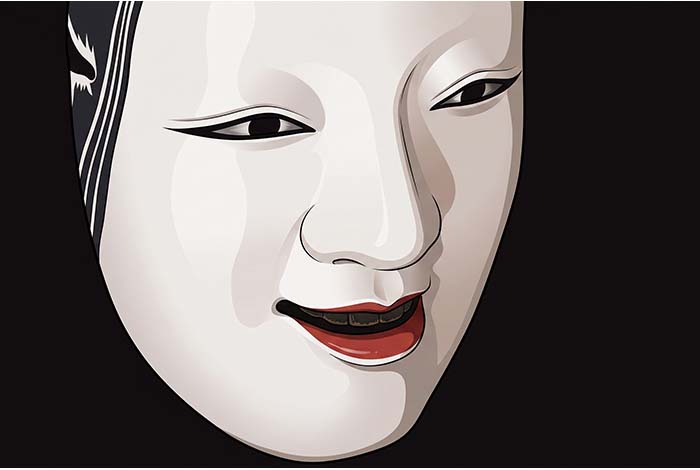
If you live in Los Angeles, the ultimate standard of dental beauty is a blindingly white, perfectly straight Hollywood smile. People spend thousands of dollars on whitening strips and bleaching treatments. But if you were to travel back in time to Japan during the Edo Period (1603-1868), you would witness the exact opposite beauty standard. For centuries, Japanese women (and sometimes men!) actively painted their teeth pitch black. This startling practice, known as “Ohaguro” (Black Teeth), looks like a terrifying Halloween costume to a modern Westerner, but in traditional Japan, it was considered the absolute peak of elegance and sophistication.

A Symbol of Marriage and Loyalty
Ohaguro wasn’t just a random fashion trend; it was a highly specific social indicator. Originally practiced by aristocrats, it eventually became a strict custom for married women and members of the elite Samurai class. When a woman came of age or got married, she would dye her teeth black to show her maturity and her unwavering loyalty to her husband. The pitch-black color, which does not blend or change with other colors, symbolically represented a wife’s firm resolve to never change her heart or be “dyed” by another man. It was a visible badge of honor and high social standing.
👉 Want to read more about Japanese demographics and society?
Read Next: Why Do Japanese Schoolgirls Wear Sailor Outfits? (The British Navy Connection)
The Health Benefits and the Modernization Ban
Surprisingly, painting your teeth black was actually incredibly good for your health! The dark dye was made from a mixture of iron filings soaked in vinegar and tea powder. This chemical concoction essentially coated the teeth in a protective enamel shield, drastically reducing tooth decay and gum disease in an era before modern dentistry. However, when Japan opened its borders to the West during the Meiji Restoration in the late 19th century, the government wanted the country to look more “modern.” In 1870, Ohaguro was officially banned, and the centuries-old tradition of beautiful black teeth disappeared into history.
▼ Read Next:
🔗 Do Your Makeup on a Japanese Train? (The Morning Commute Debate)
.
.
Share This Article
Related Articles
Pick Up
- Japan Now! Japan Answered. The Monster Falls, and th...
- Japan Now! She Said Yes. Olympic Champions Riku Miur...
- Japan Now! Whole Torched Purin on a Crepe. Ise’...
- Japan Now! 7,000 Stranded at Narita as Record Rain S...
- Japan Now! The Spear Won. Chiben Wakayama Takes Kosh...
-

- Japan Now! The Final Four Is Set. Ariake’s Mir...
- Japan Now! 156 km/h. Bases Loaded. No Outs. Koshien&...
- Japan Now! It’s Rice Day in Japan, So Dragon Q...
- Pokemon Worlds Takes Over San Francisco, and We Got ...
- Japan Now! Doraemon Is Taking a Steam Train to Victo...
- See more Fun Facts articles >









Latest Articles
- Looking for a Car? Visit South Bay Toyoya! Reliable...
- WA Dining Suya Enjoy the Flavors of Fall with Limit...
- Free Medicare Seminars, Learn the Besics and Review...
- Den’s Tea ...
- Capture Special Memories at Kimono no Kobeya ...
-

- Recommended for Those on a Diet! Healthy Noodles
- Savor Seasonal Specials at TAKAGI COFFEE!
- Daikokuya El Monte Celebrates 10th Anniversary! ...
- Check Out JINS 360°! New Store Now Open!
- Pho-Inspired Asian Spicy Ramen Returns for a Limited...
- See all articles >