Share This Article


The Foreign Language Nightmare
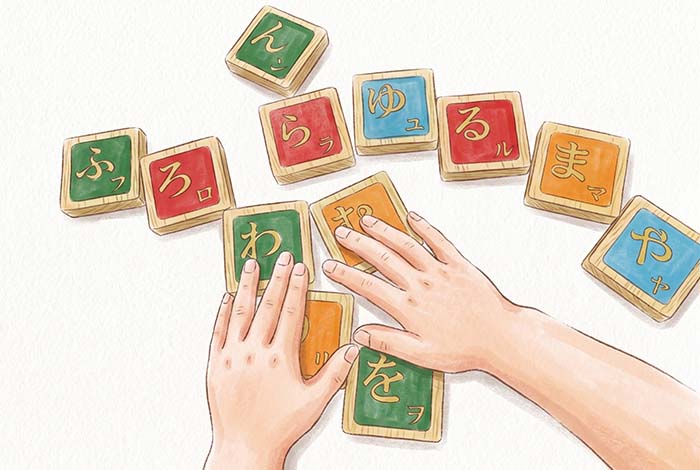
If you grow up speaking English, learning to read is relatively straightforward. You memorize 26 letters, learn how they sound together, and you are ready to read a book. But for anyone trying to learn Japanese, reading is a massive, highly intimidating hurdle. The Japanese language is globally unique because it doesn’t just use one writing system—it actively uses three entirely different scripts in the exact same sentence: Kanji, Hiragana, and Katakana. To a foreigner, looking at a Japanese newspaper looks like a chaotic mix of complex Chinese symbols, flowing cursive lines, and sharp, robotic strokes. Why did they make it so complicated?

Borrowed Symbols and Native Grammar
The crazy system was born out of historical necessity. Originally, Japan didn’t have a written language at all. In the 5th century, they imported Chinese characters (“Kanji”). However, Chinese and Japanese grammar are completely different, so pure Chinese characters couldn’t properly express Japanese verb endings or grammatical particles. To solve this, the Japanese brilliantly invented “Hiragana” in the 9th century by simplifying certain Chinese characters into soft, cursive symbols. Hiragana is used exclusively to glue the complex Kanji root words together and make the sentence flow grammatically in Japanese.
👉 Want to read more about Japanese demographics and society?
Read Next: Why Is Japanese So Easy to Pronounce? (The 100-Syllable Secret)
The Visual Dance of Katakana
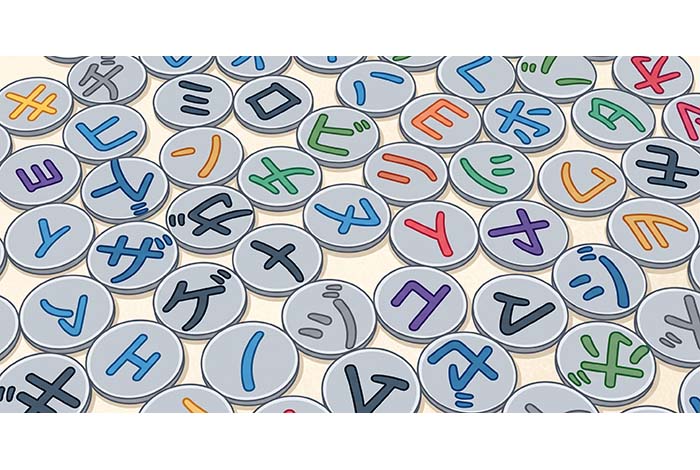
So what is the third script, “Katakana,” for? Katakana consists of sharp, angular strokes and was developed by Buddhist monks. Today, it is primarily used for foreign loanwords (like “Computer” or “Coffee”), animal and plant names, and emphatic onomatopoeia (like “BAM!” in a manga). While having three alphabets sounds like a nightmare, it is actually incredibly efficient! Because Japanese is written without any spaces between words, mixing these three distinct scripts creates a “visual dance.” The brain instantly separates the root meanings (Kanji), the grammar (Hiragana), and the foreign words (Katakana) by their visual shape, allowing Japanese people to speed-read at lightning velocity!
▼ Read Next:
🔗 Costco vs. “Kosutoko”: Why Do Famous Names Sound Completely Different in Japan?
.
.
Share This Article
Related Articles
Pick Up
- Japan Now! Japan Answered. The Monster Falls, and th...
- Japan Now! She Said Yes. Olympic Champions Riku Miur...
- Japan Now! It’s Rice Day in Japan, So Dragon Q...
- Japan Now! 156 km/h. Bases Loaded. No Outs. Koshien&...
- Pokemon Worlds Takes Over San Francisco, and We Got ...
-

- Japan Now! The Final Four Is Set. Ariake’s Mir...
- Japan Now! Whole Torched Purin on a Crepe. Ise’...
- Japan Now! 7,000 Stranded at Narita as Record Rain S...
- Japan Now! The Spear Won. Chiben Wakayama Takes Kosh...
- Japan Now! Doraemon Is Taking a Steam Train to Victo...
- See more Fun Facts articles >






Latest Articles
- Looking for a Car? Visit South Bay Toyoya! Reliable...
- WA Dining Suya Enjoy the Flavors of Fall with Limit...
- Free Medicare Seminars, Learn the Besics and Review...
- Den’s Tea ...
- Capture Special Memories at Kimono no Kobeya ...
-

- Recommended for Those on a Diet! Healthy Noodles
- Savor Seasonal Specials at TAKAGI COFFEE!
- Daikokuya El Monte Celebrates 10th Anniversary! ...
- Check Out JINS 360°! New Store Now Open!
- Pho-Inspired Asian Spicy Ramen Returns for a Limited...
- See all articles >