Share This Article



The Global Education Gap
If you look back at global history during the 18th and 19th centuries, literacy was generally a rare privilege. In many parts of Europe and the Americas, reading and writing were strictly reserved for the wealthy elite, aristocrats, and the clergy. The average farmer or merchant simply had no need or opportunity to learn. However, if you traveled to Japan during the Edo Period (1603-1868), you would find a completely different reality. Even though Japan was a totally isolated island nation, an estimated 50% of men and 20% of women in the capital city of Edo (now Tokyo) could read and write—giving Japan one of the highest literacy rates in the entire world at the time!
The Grassroots “Terakoya” Schools
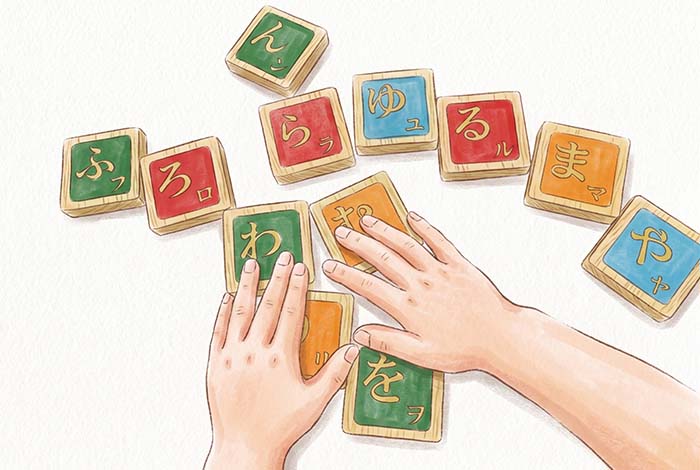
How did an isolated country achieve such incredible mass education without a modern public school system? The secret was a brilliant, grassroots network of local schools called “Terakoya” (Temple Schools). These were informal, private neighborhood classes often run by Buddhist monks, retired samurai, or even local doctors. Parents from all social classes—merchants, artisans, and farmers—would send their children to these Terakoya. There, the kids were taught practical, everyday skills: reading, writing Kanji with a brush, and doing rapid mathematics using a “Soroban” (abacus). It was an incredibly accessible and affordable education system for the common people.
👉 Want to read more about Japanese demographics and society?
Read Next: What Do Japanese Kids Do After School? (The “Naraigoto” Culture)
A Pop Culture Explosion
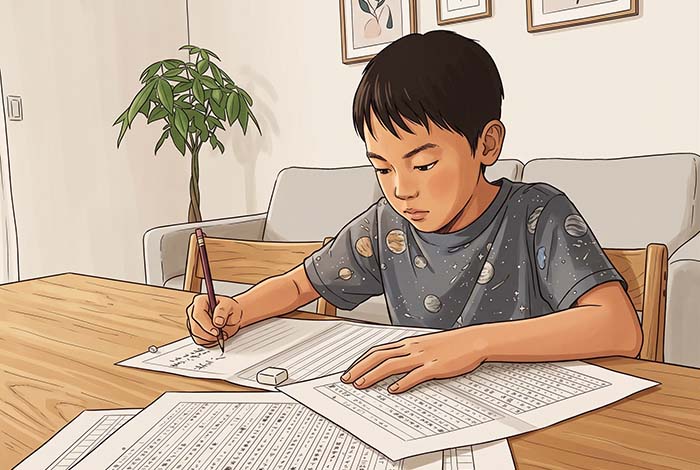
Because so many everyday citizens could read, Edo-period Japan experienced a massive, vibrant explosion of pop culture and publishing. Ordinary people devoured cheap, mass-produced woodblock-printed books, including travel guides, romantic novels, and early versions of comic books. This profound foundation of high literacy meant that when Japan finally opened its borders to the West in the late 19th century, the general public was highly educated and intellectually prepared to rapidly absorb modern technology. The “Terakoya” legacy is the absolute backbone of Japan’s modern success!
▼ Read Next:
🔗 Why Does Japan Need 3 Different Alphabets? (The Ultimate Reading Puzzle)
.
.
Share This Article
NEW MAGAZINE
Related Articles
Pick Up
- Japan Now! It’s Tanabata! Why All of Japan Is ...
- Japan Now! Why Did Male Artists Just Sweep ALL 10 of...
- Japan Now! A “Once in a Decade” Heatwave...
- Japan Now! Why is Japan Quintupling Its Visa Fees? T...
- Japan Now! Samurai Blue Stun Brazil with an Early Le...
-

- Japan Now! Why Are Japanese Teens Obsessed with R...
- Japan Now! Why a Tiny Japanese Rubber Stamp Just Too...
- Japan Now! What Is Typhoon Season in Japan, and Shou...
- Japan Now! New Sword Art Online Movie “Integra...
- Japan Now! BE:FIRST Drop New Song “MissingR...
- See more Fun Facts articles >








Latest Articles
- Binge-Watch The Solitary Gourmet on Channel Oishii
- GreeNoodle: Healthy Organic Instant Noodles Made wit...
- New at Garlic High: Yuzu Seafood Tsukemen, for a Lim...
- Kendo Trial Class in SFV area: Beginners Welcome in ...
- Watch Japanese Anime Free on Channel Oishii, No Sign...
-

- Like Tempura Carlos Jr. EXPRESS on Instagram and Get...
- Limited Time! RAKKAN Ramen’s Summer Special Menu
- Two Luxurious New Wafu Noodle Dishes Arrive at Takag...
- JAPANESE SAMURAI / Motoori Norinaga
- I LIVE IN JAPAN / Carine Lantignac / Artist and Cult...
- See all articles >