Share This Article



The Awkward Hand-Off
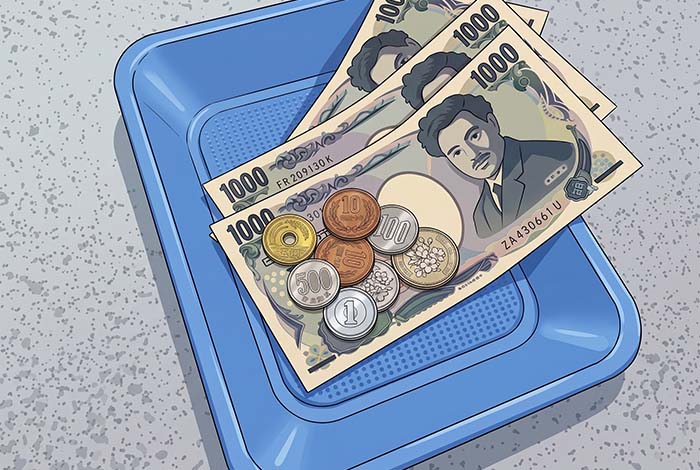
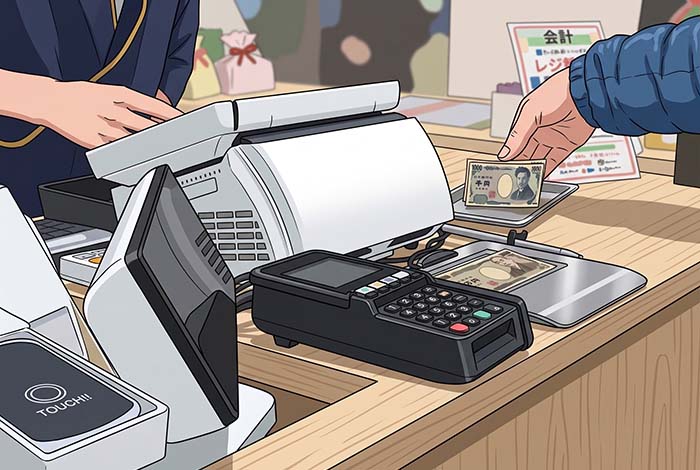
When you buy a cup of coffee or a souvenir in Los Angeles, the payment process is highly physical. You hand your crumpled dollar bills directly into the cashier’s palm, and they hand your change and receipt right back into your hand. But if you try to hand a 1,000-yen bill directly to a cashier in Japan, you will experience a brief, awkward pause. The cashier will gently bow, avoid taking the money from your fingers, and politely point to a small plastic or leather tray sitting on the counter. In Japan, handing money directly to a store employee is generally considered a breach of retail etiquette!
The Stage for Financial Transparency
Sponsored Link
This small tray is called a “Culton” (Cash Tray), and it serves a brilliant, dual purpose in Japanese society. First, it is an unspoken rule of hygiene and respect, creating a polite physical boundary between the customer and the staff. But more importantly, the tray acts as a stage for absolute financial transparency. By placing the bills and coins flat on the tray, both the customer and the cashier can visually confirm the exact amount of money being presented before the transaction happens. It completely eliminates the confusing “Wait, did I hand you a $10 or a $20?” disputes that frequently happen in American stores.
👉 Want to read more about Japanese demographics and society?
Read Next:Why Is Shopping in Japan So Much Easier? (The Beautifully Simple Tax System)
The Return Ceremony
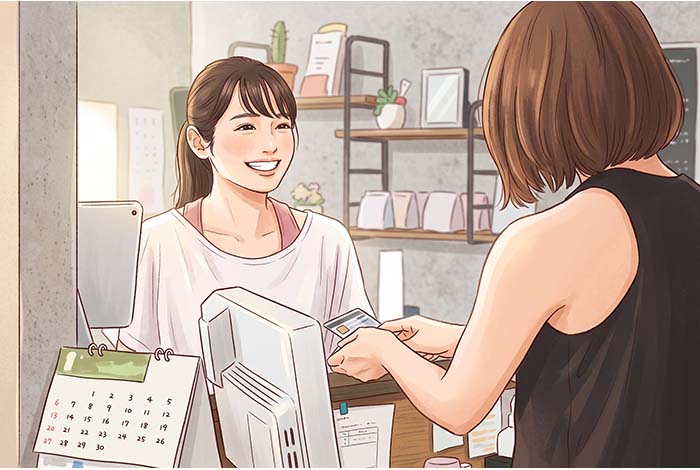
The respect for the cash tray doesn’t end with your payment. When the cashier gives you your change, they will not dump it into your hand. They will carefully place the crisp bills and shiny coins back onto the tray, often counting them out loud one by one for your final confirmation. Even if you pay with a credit card, your card and the receipt will be respectfully placed on the tray for you to pick up. This highly formalized, “no-touch” transaction perfectly reflects Japan’s dedication to precision, cleanliness, and treating every single customer’s money with the utmost respect.
▼ Read Next:
🔗The Human Calculator: Why Do Japanese People Intentionally Overpay in Cash?
.
.
Share This Article
NEW MAGAZINE

Related Articles
- ▶The Human Calculator: Why Do Japanese People Intentionall...
- ▶The Fluffiest Mob: The Dark History and Cute Reality of J...
- ▶The No-Shoe Zone: The Surprisingly Strict Rules of Japane...
- ▶The 7-Minute Miracle: How Japan Cleans an Entire Bullet T...
- ▶The $200 Melon: Why Are Fruits Treated Like Rolex Watches...
Pick Up
- The Feline Kingdom: Why Cats Vastly Outnumber Humans...
- The “Yes Means No” Trap: Why Answering a...
- The Infinite Loop: Why Tokyo’s Yamanote Line i...
- The “L” and “R” Illusion: Wh...
- The $0 Emergency: Why Calling an Ambulance in Japan ...
-

- The Art of Not Saying “No”: How to Decod...
- The “Tokyo” Trap: Why Are Tokyo Disneyla...
- The Half-Price Rush: Surviving the Twilight Hour at ...
- The $3,000 Obstacle Course: Why Getting a DriverR...
- Shattering the Myth: Why Real Japanese Ninjas Never ...
- See more Fun Facts articles >










Latest Articles
- Perfect for Your Summer Trip to Japan!Hello Japan SI...
- 【Now Open!】The Ultimate Nationwide Bilingual Job B...
- JapanUp! 224 – June 2026
- [Japanese Interviews: Life in LA] Yuki Mitsufuji : B...
- YUKI SAORI in LOS ANGELES ~From 1969 to the Future~ ...
-

- JAPANESE SAMURAI /Tsunenaga Hasekura
- [Japanese Interviews: Life in LA] Yukari Fowler : Tr...
- Why Do Japanese People Go to the Doctor for a Simple...
- Why Don’t Japanese People Throw Home Parties? ...
- Quiz – Jun 2026
- See all articles >