
Share This Article



The American Culture Shock
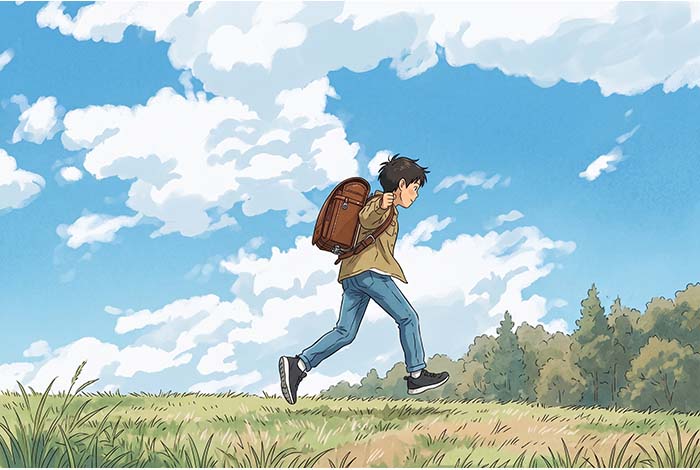
If you live in Los Angeles, you would never let your first-grade child walk a mile to school by themselves, cross busy intersections, or ride the subway alone. American parenting is heavily reliant on carpools, school buses, and constant adult supervision. So, when Westerners visit Japan or watch the massive Netflix hit show Old Enough! (Hajimete no Otsukai), they are absolutely terrified and amazed to see tiny 6-year-olds confidently walking through city streets completely unchaperoned. To the outside world, it looks incredibly dangerous. But in Japan, it is a deeply celebrated milestone of independence. How is this possible?
Walkable Cities and Group Commutes
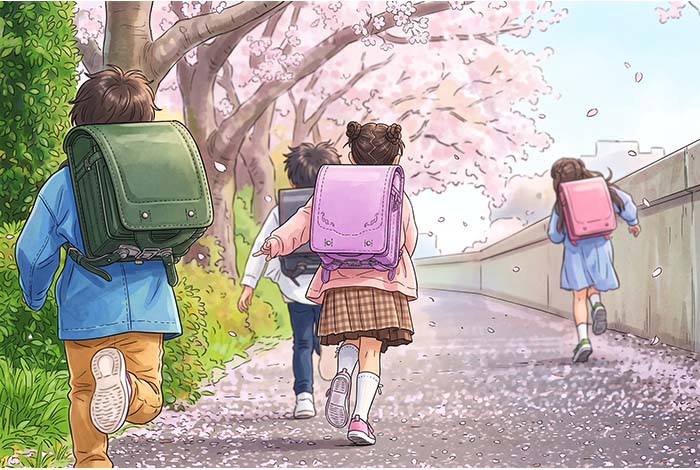
The first secret is urban design. Unlike the vast, car-reliant suburbs of the US, Japanese neighborhoods are incredibly compact, walkable, and equipped with excellent public transportation. Schools are specifically built within walking distance of residential areas. Furthermore, they don’t just throw kids into the streets alone. Japanese elementary schools use a brilliant system called “Shudan Toko” (Group Commute). Children in the same neighborhood gather at a designated spot every morning, and the older 6th-grade students act as captains, safely leading a single-file line of younger kids to the school gates.
👉 Want to read more about Japanese demographics and society?
Read Next: What Do Japanese Kids Do After School? (The “Naraigoto” Culture)
The Invisible Village of Protectors
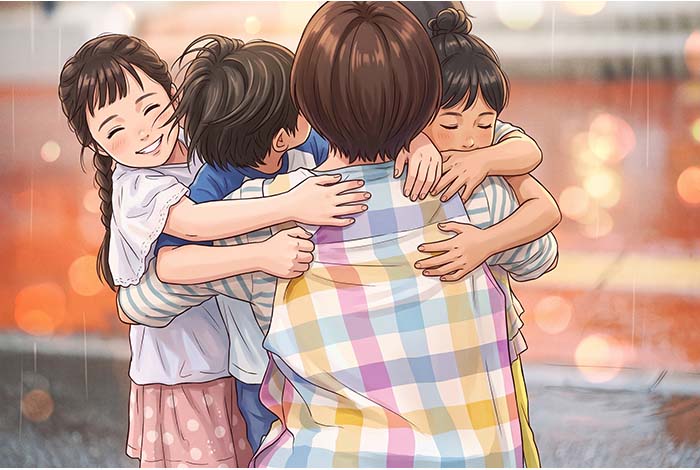
However, the true reason this works is the culture of community trust. In Japan, raising a child is viewed as a collective societal responsibility, not just the parents’ job. Every morning, you will see local elderly volunteers and parents standing at crosswalks wearing neon vests, stopping traffic to ensure the children cross safely. Additionally, many neighborhoods implement the “Kodomo 110-ban no Ie” (Children’s Safe House) system. Houses and local shops display a specific yellow sticker or flag, indicating that a child can run inside for immediate protection if they feel unsafe. It is a beautiful, invisible safety net that allows Japanese children to explore the world with confidence!
▼ Read Next:
🔗 What Is the Japanese Secret to a Long Life? (The 84-Year Mystery)
.
.
Share This Article
NEW MAGAZINE

Related Articles
Pick Up
- Japan Now! BE:FIRST Drop New Song “MissingR...
- Japan Now! What Is Typhoon Season in Japan, and Shou...
- Japan Now! A “Once in a Decade” Heatwave...
- Japan Now! Why Are Japanese Teens Obsessed with R...
- Japan Now! Samurai Blue Stun Brazil with an Early Le...
-

- Japan Now! Why Did Male Artists Just Sweep ALL 10 of...
- Japan Now! New Sword Art Online Movie “Integra...
- Japan Now! It’s Tanabata! Why All of Japan Is ...
- Japan Now! Why a Tiny Japanese Rubber Stamp Just Too...
- Japan Now! Why is Japan Quintupling Its Visa Fees? T...
- See more Fun Facts articles >









Latest Articles
- Binge-Watch The Solitary Gourmet on Channel Oishii
- GreeNoodle: Healthy Organic Instant Noodles Made wit...
- New at Garlic High: Yuzu Seafood Tsukemen, for a Lim...
- Kendo Trial Class in SFV area: Beginners Welcome in ...
- Watch Japanese Anime Free on Channel Oishii, No Sign...
-

- Like Tempura Carlos Jr. EXPRESS on Instagram and Get...
- Limited Time! RAKKAN Ramen’s Summer Special Menu
- Two Luxurious New Wafu Noodle Dishes Arrive at Takag...
- JAPANESE SAMURAI / Motoori Norinaga
- I LIVE IN JAPAN / Carine Lantignac / Artist and Cult...
- See all articles >